A homeowner’s carefully tended flower beds have become the latest casualty in a neighborhood dispute after a Labrador repeatedly trampled through the garden, leaving destruction in its wake. The frustrated gardener has asked the dog’s owner multiple times to keep the animal out of the yard, only to be met with dismissive comments like “dogs will be dogs” and laughter when the pet was caught in the act.
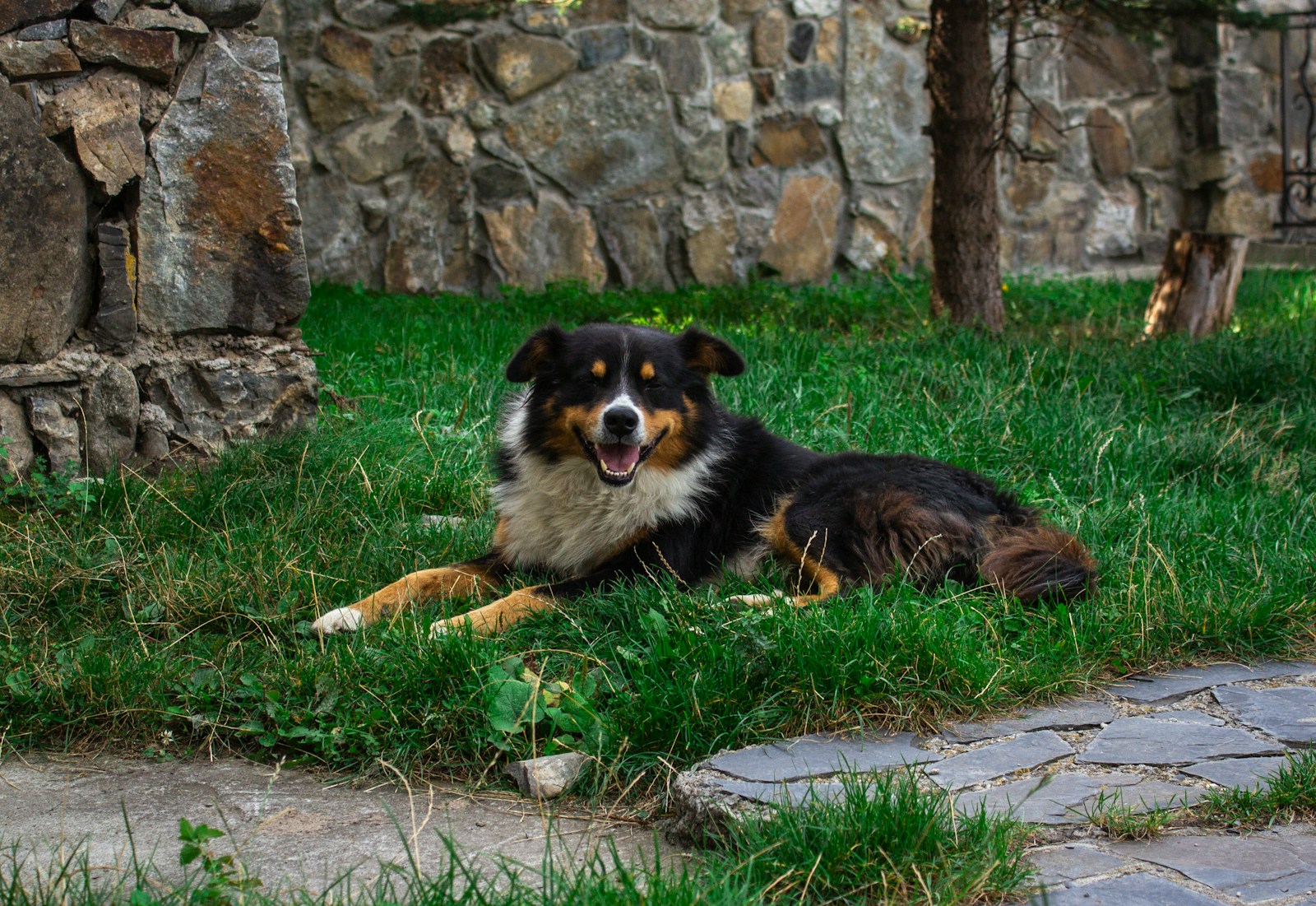
The situation escalated when the homeowner warned the neighbor that further action would be necessary if the dog couldn’t be controlled, prompting the pet owner to accuse them of making a big deal out of nothing. What started as a simple request to respect property boundaries has turned into a tense standoff between neighbors with very different views on responsibility.
The conflict has sparked debate about where the line should be drawn when someone else’s pet causes ongoing damage to a gardener’s hard work and property. With the neighbor insisting the dog should just be allowed to have fun and the homeowner watching weeks of effort get destroyed, this backyard battle shows no signs of resolution.
When a Neighbor’s Dog Won’t Stay Out of Your Flower Beds
Flower bed destruction from a neighbor’s dog typically follows a predictable pattern of repeated visits, defensive reactions from owners who minimize the problem, and mounting damage that affects both plant health and garden aesthetics.
How Repeated Dog Damage Happens
Dogs return to the same flower beds for specific reasons that reinforce the behavior. The soft soil makes an ideal digging spot, particularly when dogs are bored or seeking entertainment. Once a dog discovers loose earth, they often come back to the same location.
The scent markers left behind during previous visits attract the dog again. Dogs mark territory through scent, and flower beds become familiar spots they want to revisit. Morning visits often go unnoticed when homeowners are inside, allowing the pattern to establish itself.
Unsecured fencing creates easy access points. Gaps under gates, loose boards, or low sections give dogs repeated entry. The animal learns the route and timing, making visits a regular occurrence rather than random incidents.
Common Neighbor Reactions and Excuses
The “dogs will be dogs” response represents one of the most frustrating dismissals homeowners encounter. This phrase attempts to normalize destructive behavior as unavoidable rather than addressing the actual problem. Some owners claim their dog is just being friendly or playful.
Other neighbors insist they weren’t aware of the issue despite visible damage. They might suggest the homeowner is overreacting to minor disruptions. Some blame the flower bed location itself, implying it’s somehow inviting the dog’s attention.
Financial responsibility often gets deflected. Owners may argue that proving their specific dog caused the damage is difficult. They might offer vague promises to “keep an eye on” the situation without implementing actual containment measures.
Immediate Impacts on Your Garden
Trampled plants suffer broken stems and crushed foliage that doesn’t always recover. Perennials may survive but lose an entire season of growth. Annuals often die completely, requiring full replacement.
Dug-up areas expose plant roots to air and sun, causing rapid dehydration. Bulbs get displaced or destroyed, eliminating future blooms. The soil structure becomes compacted in some spots and completely disrupted in others, affecting drainage patterns.
Urine burns create brown patches where grass and plants die from concentrated nitrogen. Multiple visits compound the chemical damage, making recovery slower. The aesthetic impact is immediate, turning carefully maintained beds into messy, damaged spaces.
Dealing With Reluctant Dog Owners
When a neighbor dismisses property damage with “dogs will be dogs,” homeowners face the challenge of protecting their gardens while maintaining neighborhood relations. The situation becomes particularly frustrating when dog owners refuse to acknowledge their pet’s destructive behavior.
Approaching Your Neighbor About the Problem
The first conversation sets the tone for everything that follows. Homeowners typically find success when they document specific incidents with dates, times, and photos of the damage before making contact.
Many people talk to their neighbor politely about the dog’s behavior as an initial step. The key is presenting evidence rather than making accusations. Instead of saying “your dog is ruining my yard,” describing the pattern helps: “I’ve noticed paw prints in my flower bed three times this week, and several plants have been dug up.”
Some dog owners genuinely don’t realize what their pets do when unsupervised. Others become defensive immediately. The homeowner’s calm, factual approach matters more than the actual words used.
Setting Boundaries and Clear Communication
When the “dogs will be dogs” excuse emerges, homeowners need to establish what behavior they will and won’t accept. This means being specific about expectations rather than hoping the neighbor will figure it out.
Written communication creates a paper trail. Some affected homeowners send a friendly letter or email stating exactly what happened and requesting the dog be kept away from their property. Others hand over repair estimates for damaged plants.
The boundary conversation should include a timeline. Giving the neighbor one week to address the issue before taking further action provides a fair opportunity while showing the homeowner won’t tolerate ongoing destruction indefinitely.
Effective Solutions to Protect Your Plants
Physical barriers often become necessary when neighbors won’t cooperate. Short decorative fencing, chicken wire around specific beds, or motion-activated sprinklers can deter dogs without creating eyesores.
Some homeowners install security cameras pointed at vulnerable areas. The footage serves dual purposes: it proves which dog is causing damage and sometimes motivates negligent owners to take action when they realize they’re being recorded.
When neighborly solutions fail, documenting incidents for animal control becomes the next step. Local ordinances typically address dogs at large or property damage caused by pets, giving homeowners legal recourse beyond hoping their neighbor develops a conscience.
More from Willow and Hearth:
Leave a Reply