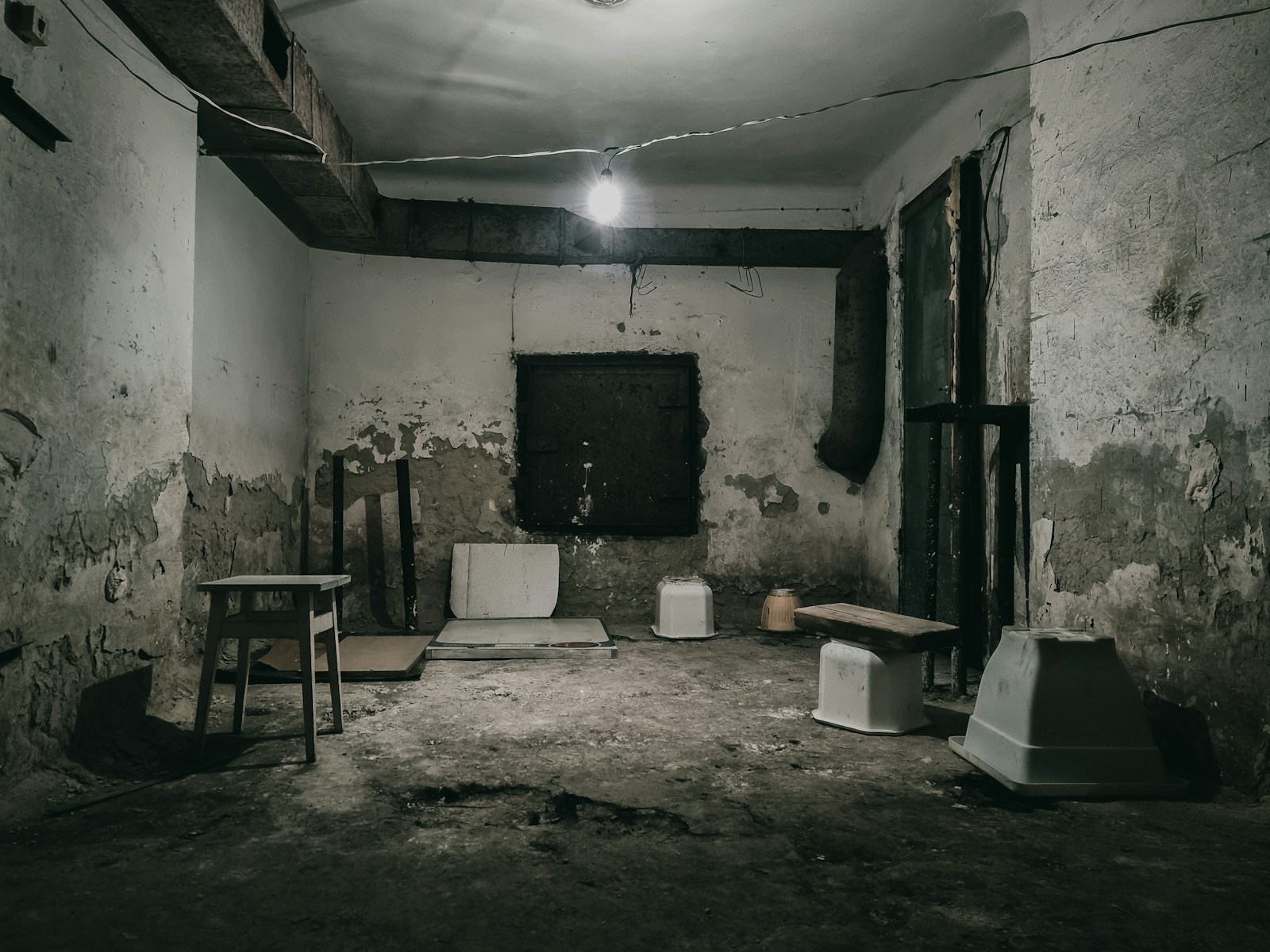
A family returned home after a severe storm to discover their worst nightmare: several inches of dark, foul-smelling water covering their basement floor. What started as concern about water damage quickly turned into a heated family dispute when they realized the flooding came from a sewage backup, not just rainwater.
Clothes exposed to sewer water cannot be safely salvaged because the contamination contains harmful bacteria, parasites, and pathogens that cannot be fully removed through washing. Yet this family found themselves divided over whether to throw away an entire wardrobe’s worth of seasonal clothing, winter coats, and sentimental items that had been stored in plastic bins.
The argument intensified as they weighed the financial loss against potential health risks. Some family members insisted that modern washing machines and hot water could clean anything, while others refused to let the items back into their home. Their disagreement highlights a common dilemma homeowners face when basement flooding involves sewage rather than clean water.
What Happens When Your Basement Floods With Sewer Water
When a basement floods with sewage during a storm, contaminated water enters through floor drains and foundation weaknesses, creating immediate health hazards that make salvaging belongings complicated and potentially dangerous.
How Sewer Backups Occur During Heavy Storms
Heavy rainfall overwhelms municipal sewer systems, forcing wastewater backward through the pipes connected to homes. The basement floor drain becomes an entry point for this contaminated water when the main sewer line can’t handle the volume.
During intense storms, the local sewer infrastructure reaches capacity quickly. Water has nowhere to go except back through the lowest points in connected properties. Basement floor drains, typically designed to remove water from the home, become reverse pathways when the system backs up.
Foundation cracks and wall gaps also allow sewage infiltration during these events. The combination of overwhelmed municipal systems and structural vulnerabilities creates the perfect conditions for a sewer backup. Some families discover the flooding within minutes, while others don’t notice until the smell becomes unmistakable or they see dark water pooling near drains.
Health and Safety Risks of Sewer Water in the Basement
Blackwater contamination carries harmful bacteria, parasites, and pathogens that pose serious health threats to anyone exposed. Unlike clean water from a burst pipe, sewer water contains human waste and potentially toxic chemicals.
Direct contact with contaminated water can cause infections, gastrointestinal illness, and skin reactions. The pathogens in sewage don’t discriminate—they affect adults, children, and pets equally. Families dealing with this type of basement flooding face decisions about what items touched the water and whether anything remains safe to keep.
Porous materials like clothing, carpeting, and upholstered furniture absorb the contaminated water deeply. These items can’t be adequately sanitized once they’ve been saturated with sewage. The health risks extend beyond the initial flood as bacteria can continue growing on damp materials for days afterward.
Signs and Immediate Actions After Sewer Flooding
The first sign families notice is often a foul odor coming from the basement, followed by visible dark water around floor drains. Some households hear gurgling sounds from toilets or drains before the actual backup occurs.
When a basement floods with sewage, the immediate priority becomes keeping family members away from the contaminated area. Anyone who must enter needs protective boots, gloves, eyewear, and masks to prevent exposure to harmful pathogens.
The electricity and gas to the flooded basement should be shut off immediately to prevent additional hazards. Families typically contact their insurance companies right away, who then recommend calling both a plumber and a water damage restoration specialist. Documentation through photos becomes critical for insurance claims, even though walking through the contaminated space feels overwhelming.
Can Contaminated Clothes Really Be Salvaged After a Basement Sewer Flood?
The answer depends heavily on the extent of contamination and the type of fabric involved. Many families discover that some items can be saved with proper cleaning protocols, while others pose too great a health risk to keep.
Assessing and Sorting Affected Clothing
When families face sewage-contaminated clothing after a flood, the first step involves sorting through what’s salvageable and what needs to go straight to the trash. Experts recommend wearing protective gear like plastic gloves, long sleeves, and dust masks during this process.
Items heavily soaked with sewer water often can’t be saved. Upholstered items and heavily contaminated fabrics absorb dangerous amounts of bacteria that cleaning can’t fully eliminate.
The sorting process gets more complicated when dealing with mixed loads. Families typically separate items by whether they’re machine-washable, hand-washable, or dry-clean only. Color and fabric type matter too since different materials require different treatment temperatures.
Items showing visible discoloration, shrinkage, or those contaminated with toxic chemicals should be discarded immediately. Sentimental pieces like quilts or special garments create difficult decisions for families trying to balance safety with emotional attachment.
Best Practices for Cleaning Sewage-Contaminated Laundry
The cleaning process for flood-damaged textiles starts with pre-treatment using clean flowing water to remove mud and debris. Simply drying items isn’t enough because sewer water carries contamination that requires disinfectants.
Before washing anything, families need to sanitize their washing machines by running a cycle with hot water, detergent, and chlorine bleach. The pre-wash cycle should use cool water with heavy-duty detergent and enzyme pre-soak products to tackle protein stains from sewage.
The main wash requires the hottest water safe for each fabric type. Chlorine bleach works for white and colorfast items, while pine-oil or phenolic disinfectants like Lysol handle other fabrics. Water damage restoration professionals note that items shouldn’t go in the dryer until owners are satisfied with the results, since heat can permanently set remaining stains.
When to Toss Versus Try to Save Clothes
The decision to salvage or discard creates tension in many families dealing with basement floods. Items contaminated with sewage or fuel oil generally can’t be saved, regardless of their value or sentimental importance.
Items to discard:
- Clothing with embedded fiberglass insulation
- Textiles exposed to toxic chemicals
- Fabrics with permanent discoloration
- Items that remained wet for extended periods
Items worth attempting to save:
- Machine-washable cotton and synthetics
- Dry-cleanable wool and silk items
- Clothing with minimal exposure time
- Items that can withstand hot water and bleach
Families often struggle with children’s clothing, wedding dresses, or inherited textiles. The hard truth is that health risks outweigh sentimental value when dealing with sewage contamination.
Long-Term Damage and Odor Issues After Cleaning
Even after thorough washing, some families notice lingering problems with supposedly cleaned items. Odors can persist in fabrics that weren’t completely sanitized, and bacteria may remain in hidden seams or padding.
Mold growth becomes a concern if items weren’t dried completely. The combination of moisture, organic material, and basement conditions creates ideal environments for mildew even after initial cleaning efforts. Some families end up discarding items weeks later when problems resurface.
Fabric integrity also suffers from sewer water exposure. Dyes may have transferred between items during the flood, and some materials develop weakened fibers that tear easily after washing. What initially seemed salvageable sometimes reveals hidden damage only after multiple wash cycles.
More from Willow and Hearth:
Leave a Reply