A first-time homeowner recently shared his frustrating experience of dealing with what feels like an endless cascade of home repairs. Each time he fixes one issue, another expensive problem seems to appear almost immediately, turning what should be an exciting milestone into a source of constant stress and financial strain.
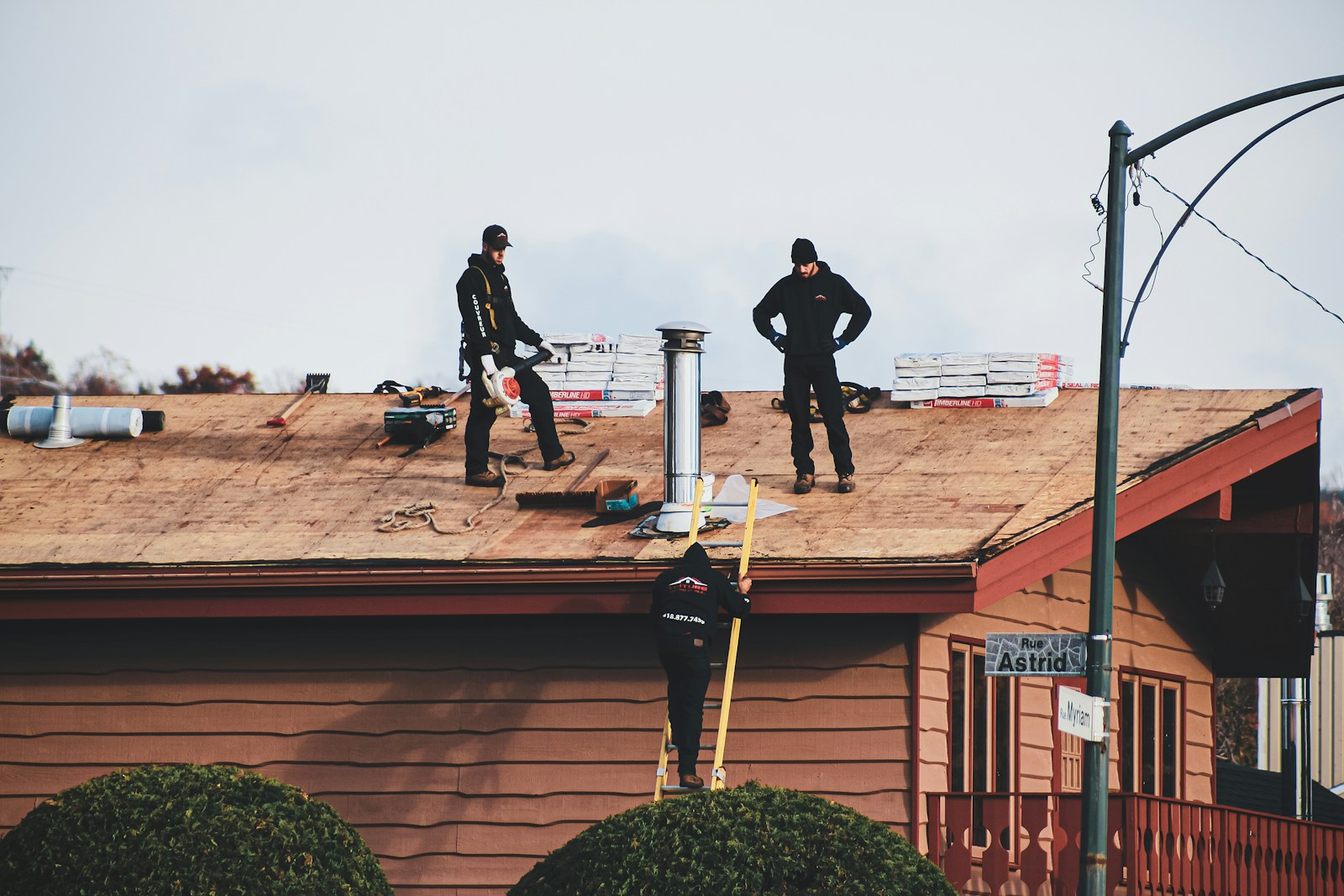
This cycle of never-ending repairs is actually a common experience for new homeowners, with research showing that replacing appliances affects nearly half of first-year homeowners, while about one in five deal with leaks, infestations, roof issues, and electrical problems. The homeowner’s story highlights just how unprepared many buyers are for the reality of maintaining a house.
The financial impact can be substantial too. New homeowners spend an average of over $7,080 in the first year fixing issues left behind by previous owners, and roughly two-thirds who faced unexpected repairs spent more than $1,000. This homeowner’s experience reveals why so many people develop what some call house anxiety after moving into their first property.
Why Home Repairs Keep Popping Up for First-Time Homeowners
New homeowners frequently discover that repairs emerge in waves, with 92% experiencing at least one issue in their first year, and many facing multiple problems that compound over time. The cycle often stems from incomplete inspections before purchase and the natural aging process of homes that sellers may have deferred addressing.
The Reality of Unexpected Repairs After Moving In
More than three-quarters of new homeowners report unexpected costs in their first year of ownership. The most common issue involves appliance replacement, which affects 47% of first-time homeowners during those initial 12 months.
New homeowners spend an average of over $7,080 in the first year fixing problems left behind by previous owners. These expenses catch many buyers off guard because they assume a home inspection covered everything.
The reality is that problems don’t announce themselves all at once. A leaking pipe might lead to water damage that reveals electrical issues. Fixing one system can expose weaknesses in connected systems that weren’t visible before.
How Inspection Gaps Lead to Surprise Problems
Home inspections provide a snapshot of a property’s condition but can’t catch everything. Inspectors typically spend only a few hours examining a house and can’t see inside walls or under floors without invasive measures.
Seasonal issues often go undetected depending on when the inspection occurs. A roof that seems fine in summer might leak during spring rains. Heating systems checked in warm weather may fail when winter arrives.
Previous owners sometimes mask problems with quick cosmetic fixes rather than addressing underlying issues. Fresh paint can hide water stains. New flooring might cover structural problems beneath. These hidden defects only become apparent after the new owner takes possession and starts living in the space daily.
The True Cost of Ongoing Maintenance and Repairs
First-time homeowners are less likely to be aware of maintenance costs compared to those who’ve previously owned property. They’re more likely to report spending beyond initial expectations.
Property taxes and homeowners insurance add another layer of financial pressure. These costs can increase significantly after the first year, especially if the home was undervalued at purchase or local tax rates change.
Nearly 60% of homeowners are putting off repairs due to rising costs driven by inflation and increased insurance premiums. When repairs get delayed, small problems turn into expensive structural problems that demand immediate attention.
Staying Ahead of the Never-Ending Repair Cycle
The frustrated homeowner discovered that breaking free from constant repairs required understanding which maintenance tasks actually prevented problems and learning to tell the difference between genuine emergencies and issues that could wait.
Must-Do Routine Maintenance to Prevent Big Breakdowns
He learned the hard way that homeowners spend about 1% of their home’s value annually on maintenance, meaning his $300,000 house demanded roughly $3,000 per year just for upkeep. The tasks that made the biggest difference turned out to be surprisingly simple.
Changing air filters every 30 to 90 days kept his HVAC system running efficiently and prevented a $5,000 replacement. He started checking carbon monoxide detectors monthly and replaced the batteries twice a year. His gutters needed cleaning every spring and fall to avoid water damage that could cost thousands.
The homeowner also discovered that testing his carbon monoxide detector and smoke alarms prevented dangerous situations. Inspecting for faulty wiring became part of his routine after his home inspector found hidden electrical problems. Regular HVAC maintenance twice a year caught small issues before they turned into complete system failures.
Identifying and Dealing With Common Repair Triggers
He noticed patterns in when repairs appeared. Many homeowners aren’t prepared for common issues like pest infestations or water damage. His basement flooded twice before he realized the grading around his foundation sloped toward the house instead of away from it.
Pest infestations triggered a cascade of problems he hadn’t anticipated. Mice chewed through insulation, creating both an extermination bill and an insulation replacement cost. He found that addressing moisture problems early prevented mold growth that would have required expensive remediation.
Weather changes brought their own challenges. Each season transition revealed new vulnerabilities in his home’s defenses. Winter exposed poor insulation, summer strained his aging air conditioning, and spring rains found every weak spot in his roof.
Smart Strategies to Separate Urgent Repairs From Cosmetic Fixes
The homeowner eventually developed a system for deciding what needed immediate attention. Anything involving water, electricity, or structural integrity went to the top of his list. A leaking pipe couldn’t wait, but peeling paint in the guest room could.
He created three categories: emergency repairs (faulty wiring, gas leaks, major water damage), important maintenance (aging water heater, worn roof shingles), and cosmetic improvements (outdated light fixtures, scratched floors). This approach helped him allocate his limited budget more effectively.
His emergency fund covered true crises while proactive maintenance addressed small issues early before they became expensive disasters. The home improvement projects he wanted had to wait until the essential systems were functioning properly.
More from Willow and Hearth:
Leave a Reply