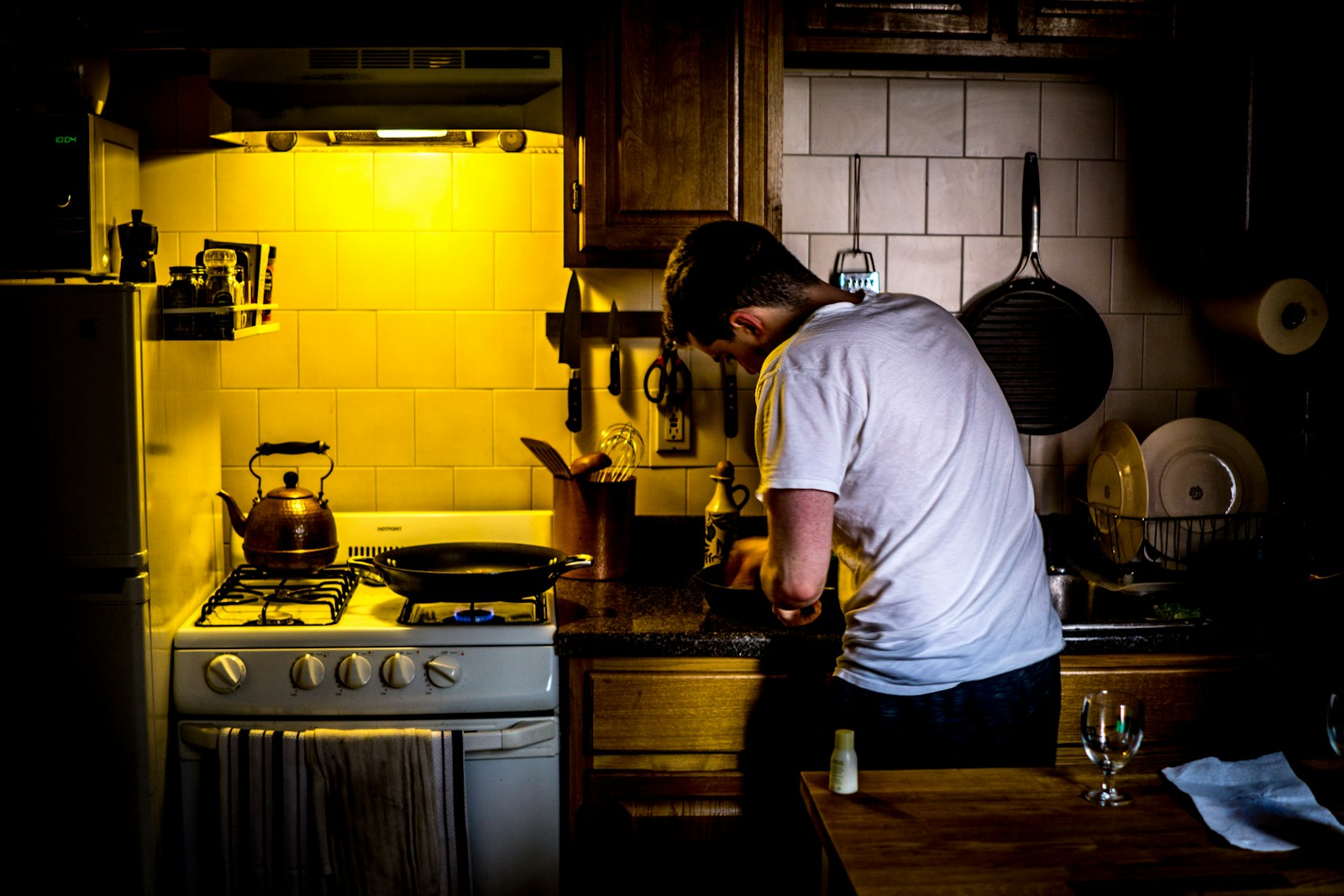
A man with hearing loss discovered a frightening reality while cooking bacon in his kitchen: his smoke detector had been blaring, but he had no idea until he happened to notice the commotion it caused. The incident occurred when smoke from the sizzling bacon triggered the alarm, yet without his hearing aids in, he remained completely unaware of the piercing sound filling his home. This close call has now sent him on a search for alternative alarm systems that he can actually detect.
The experience highlights a dangerous gap in home safety for the approximately 40 million Americans who are deaf or hard of hearing, many of whom remove their hearing aids or cochlear implants while sleeping or during daily activities. Traditional smoke detectors rely entirely on loud audible alerts, leaving those with hearing loss vulnerable to missing critical warnings during emergencies.
His search has led him to explore specialized smoke alarms designed for people who are deaf or hard of hearing, which use strobe lights and vibrating devices instead of sound alone. These alternative technologies could make the difference between life and death, particularly during nighttime hours when most people aren’t wearing their hearing devices and when the majority of residential fire deaths occur.
Challenges Faced by People With Hearing Loss When Cooking
People with hearing loss face specific obstacles in the kitchen that go beyond simply missing conversation. They can’t rely on auditory cues that alert them to potential dangers or signal when food needs attention.
Missing Smoke Alarm Alerts During Cooking
When the smoke alarm went off while the man was cooking bacon, he didn’t hear it initially. This represents a common and dangerous situation for people with hearing loss. Cooking creates many auditory signals that hearing cooks take for granted, from the sizzle of food to warning beeps.
The sounds people miss include water coming to a boil, splattering oil, timers signaling completion, and critically, smoke detectors activating. Standard smoke alarms rely entirely on loud sounds to alert occupants to danger. For someone with significant hearing loss, a smoke detector can sound for minutes without being noticed, especially if they’re focused on cooking tasks or have moved to another room briefly.
Risks Associated With False Alarms
False alarms from cooking happen frequently in kitchens. Bacon, toast, and high-heat searing often trigger smoke detectors even when there’s no real fire danger. For hearing individuals, these false alarms become routine annoyances they quickly address by waving a towel or opening windows.
People with hearing loss face a different problem. They might not know the alarm activated until someone else alerts them or they happen to see a flashing light if their system has one. This creates uncertainty about whether they can trust they’ll be warned during actual emergencies. The man’s experience with the bacon incident highlighted this exact vulnerability in his home safety setup.
Everyday Life Adjustments for Safer Cooking
The incident pushed the man to search for alarms with flashing lights as a visual alert system. People with hearing loss depend heavily on visual cues to fill in what they can’t hear in the kitchen.
They watch for steam escaping from pots, observe bubbling liquids, and monitor food browning visually rather than listening for sizzling sounds. Many now use smartwatches or vibrating timers since audible kitchen timers are useless. The kitchen becomes a place where staying present matters more than for hearing cooks. Leaving the room even briefly while something’s on the stove creates risks because they won’t hear if something goes wrong.
Flashing Light Smoke Alarms: Solutions and Technologies
Modern smoke alarms designed for people with hearing loss combine traditional sound alerts with bright strobe lights, bed shakers, and even smartphone notifications. These devices range from standalone units with integrated strobes to wireless systems that connect multiple alert mechanisms throughout a home.
Types of Smoke Alarms With Visual Alerts
Hearing impaired strobe light alarms use high-intensity flashing lights instead of relying solely on sound. The First Alert BRK 7020BSL offers an integrated LED strobe in a hardwired unit with battery backup. For people with severe hearing loss, combination systems work best.
Devices placed under pillows or mattresses vibrate when the alarm triggers. The SafeAwake system includes a motorized bed shaker, flashing light, and low-frequency sound all activated by a conventional smoke alarm. Wireless transmitters like the Bellman & Symfon model send alerts to multiple receivers throughout a home.
Some newer detectors connect to smartphones via Wi-Fi. These units send push notifications to a user’s account when smoke is detected, adding another layer of protection for people who might not notice visual alerts in every room.
Key Features to Look For in a Hard-of-Hearing-Friendly Smoke Alarm
The brightness of strobe lights matters significantly. The First Alert BRK 7030BSL features a 77 candela strobe, which provides strong visual signaling even in well-lit spaces. Units with separate flash patterns for smoke versus carbon monoxide help residents identify the specific threat.
Power source options include:
- Hardwired with battery backup (most reliable during outages)
- Battery-only models (easier installation in rentals)
- Plug-in units with backup batteries
Interconnected systems that synchronize strobes across multiple units ensure someone sees an alert regardless of which room they’re in. Models with front-access battery compartments and 10-year sealed batteries reduce maintenance hassles while maintaining continuous protection.
Recent Advances in Smoke Detection Standards
Manufacturers have developed precision detection technology that reduces false alarms from cooking. The First Alert SMI100 uses this approach to distinguish between actual fire smoke and bacon grease in the air. Similar technologies now appear across multiple brands.
Combination smoke and carbon monoxide detectors with dual visual alerts have become more common. These units provide broader protection in a single device while maintaining clear visual distinction between threats through different strobe patterns.
Smart home integration represents the newest frontier. Wi-Fi enabled detectors work with 2.4 GHz networks and can trigger alerts on Facebook Messenger or other apps through optional cookies and notification settings, though users need to verify their account permissions are configured correctly.
How to Set Up and Maintain Your Visual Smoke Alarm
Installation requirements vary by model. Hardwired units need connection to a junction box, while battery-operated and plug-in versions offer simpler setup. Hearing impaired residents should place strobes in bedrooms and common areas where they spend the most time.
Testing the strobe function monthly ensures the light works when needed. Many units include a test button that activates both the sound and visual components. Battery replacement schedules depend on the model, with some 10-year lithium batteries lasting the entire life of the detector.
Wireless systems require pairing transmitters with receivers during initial setup. These configurations often involve pressing sync buttons on multiple devices to establish communication between the smoke detector and bed shaker or strobe units in other rooms.
More from Willow and Hearth:
Leave a Reply