A new homeowner recently shared his frustration after discovering that strangers have been using his driveway as free parking while he’s at work. The situation has left him wondering why people feel entitled to park on his private property and what he can legally do about it.
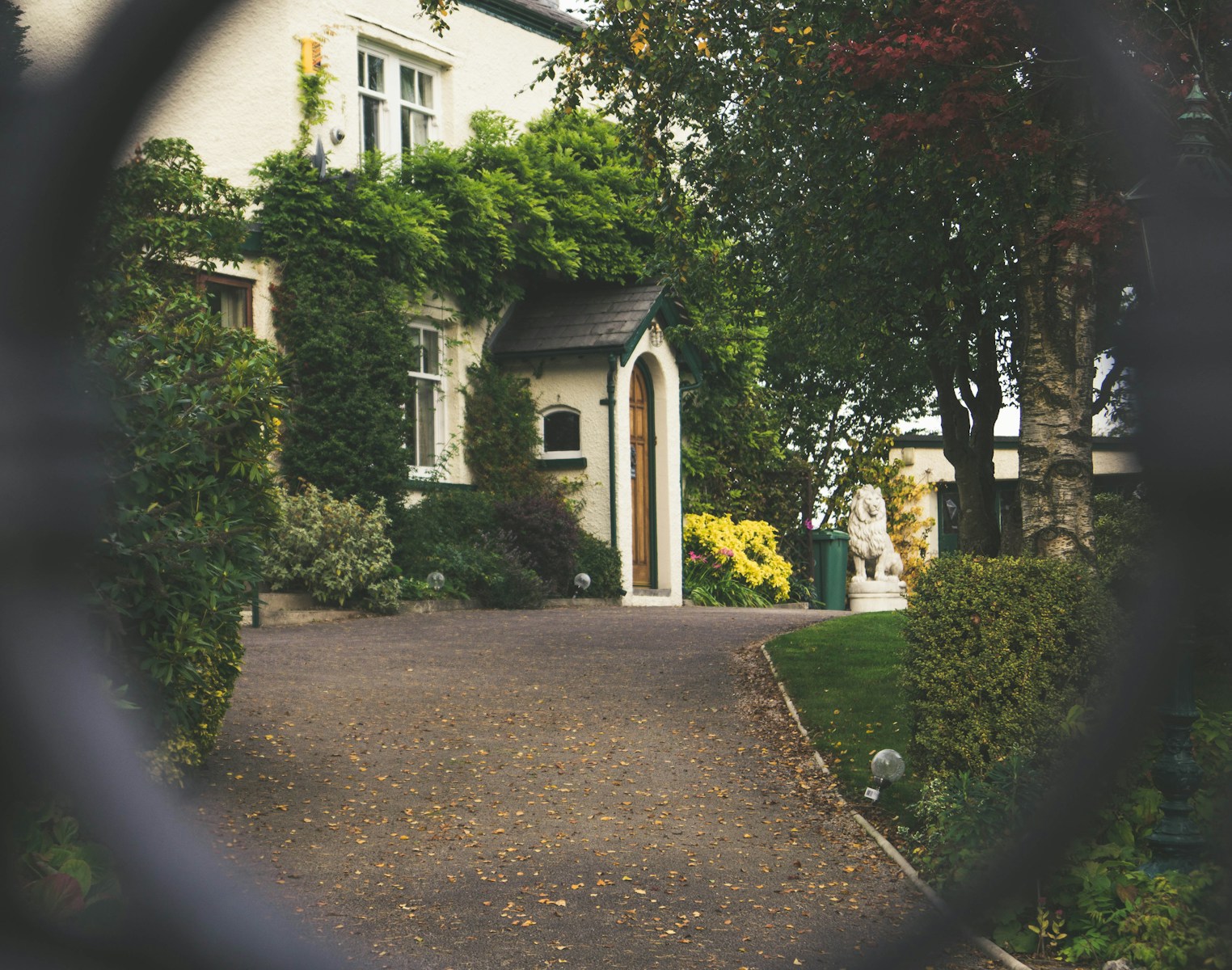
If someone parks on your driveway without permission, it’s likely trespassing, and you can contact local law enforcement to have the vehicle cited or towed. The homeowner’s experience isn’t unique, as many property owners face similar issues when their homes appear unoccupied during daytime hours.
The problem raises questions about why this keeps happening and what steps homeowners can take to prevent strangers from treating their driveways like public parking spaces. His story sheds light on a common residential parking dispute that catches many first-time homeowners off guard.
Why Strangers Park In Your Driveway During The Day
Daytime driveway parking by strangers typically stems from assumptions about vacancy and convenience, creating unexpected problems for new homeowners who haven’t established their presence in the neighborhood yet.
Misconceptions About Empty Homes
Strangers often make quick judgments about whether a home is occupied based on visual cues during daytime hours. An empty driveway between 9 AM and 5 PM signals to passersby that nobody’s home, making it seem like fair game for temporary parking.
New homeowners face this issue more frequently because neighbors and local workers haven’t learned their routines yet. The house might have been vacant during the sale process, leading nearby residents to assume it remains unoccupied.
Delivery drivers and service workers sometimes park in what they perceive as unused driveways rather than searching for street parking. They’re looking for the most convenient spot and don’t always verify whether someone actually lives there.
Common Reasons for Unauthorized Daytime Parking
Parking in front of houses on public streets has limitations, pushing people to seek alternatives on private property. Workers from nearby businesses frequently need parking during their shifts and view empty driveways as solutions.
Construction crews working on neighboring properties often grab any available space they can find. They typically arrive early, park wherever seems convenient, and assume they’ll be gone before homeowners notice.
Local residents sometimes use empty-looking driveways when hosting events or having work done at their own homes. They rationalize it as temporary and harmless since the house appears vacant anyway.
Common daytime parkers include:
- Delivery drivers making quick stops
- Construction workers on nearby projects
- Neighbors hosting gatherings
- Service technicians visiting the area
- Commuters avoiding paid parking lots
Impact on New Homeowners
New homeowners discover strangers parking on their private driveways creates immediate frustration as they settle into their property. The violation feels personal even when the parker had no malicious intent.
The timing creates particular problems when homeowners return during lunch breaks or work from home unexpectedly. They find themselves blocked from their own property with limited recourse.
This situation forces new residents to confront their legal rights regarding blocked driveways sooner than expected. Many discover that trespassing is a civil rather than criminal matter, meaning police often can’t help remove the vehicles.
The experience shapes first impressions of a neighborhood negatively. What should be an exciting time becomes stressful as homeowners deal with repeated intrusions.
Neighborhood Parking Dynamics
Areas with limited street parking create pressure that spills onto private property. When neighbor parking becomes competitive, some people push boundaries by using driveways they assume are available.
Established residents sometimes continue old habits from when the previous owner was absent or permissive. They don’t automatically adjust their behavior when new owners move in, especially if they haven’t met them yet.
Neighborhoods near commercial districts or transit stations experience higher rates of unauthorized parking. Commuters and shoppers treat residential streets as overflow parking, testing which driveways they can use without consequences.
The lack of visible occupancy signals during typical work hours perpetuates the problem. Without cars in driveways or other signs of daily activity, strangers keep making the same assumption that the property is unoccupied and available.
What You Can Do When People Park In Your Driveway
Homeowners facing unauthorized parking situations have several options ranging from understanding their legal standing to working through official channels. The approach typically starts with clarifying ownership boundaries and local rules, then moves toward direct communication or formal complaints.
Know Your Property Rights
A homeowner’s driveway is considered private property, which means strangers parking there without permission are technically trespassing. Property rights give homeowners control over who can access their land, including driveways and parking areas. The deed to the property establishes these boundaries.
When someone parks in a driveway without consent, they’re violating the homeowner’s rights to exclusive use of that space. This matters because property rights form the legal foundation for any action the homeowner might take. Documentation helps strengthen a homeowner’s position—photos showing the vehicle, license plate numbers, dates, and times create a record of repeated incidents.
These rights don’t automatically mean a homeowner can take any action they want, though. Towing requirements and proper procedures vary by location, so understanding the legal framework prevents potential liability issues.
Check Local Parking Regulations and Laws
Every municipality has different rules about parking disputes and unauthorized vehicle placement. Some jurisdictions classify parking in someone’s driveway as trespassing, while others treat it as a civil matter requiring different enforcement approaches.
Local parking ordinances often specify how blocking driveway situations get handled. These regulations might outline warning requirements before towing, police involvement procedures, or fines for violators. City or county codes sometimes require property owners to post “no parking” signs before they can legally tow vehicles.
Homeowners can typically find parking restrictions by checking their city’s municipal code online or calling the local parking enforcement office. Understanding these rules before taking action helps avoid legal complications down the road.
Talking to Neighbors and Visitors
Many parking situations stem from misunderstandings rather than malicious intent. A neighbor might not realize they’re causing an inconvenience, or visitors to nearby properties could genuinely not know whose driveway they’re using. The new homeowner’s situation—where people assumed the house was empty—illustrates how communication gaps create problems.
Starting with a calm, direct conversation often resolves issues faster than formal complaints. Explaining the problem and asking the person to stop typically works when the parking was accidental. If face-to-face discussion feels uncomfortable, leaving a polite note on the vehicle provides another option.
When talking to your neighbor doesn’t work after multiple attempts, documenting those conversations becomes important for any future legal steps.
How to File a Parking Complaint
When direct communication fails, homeowners can file a complaint through their local police department or parking enforcement agency. Most jurisdictions have non-emergency phone lines specifically for reporting parking violations on private property.
The complaint process usually requires:
- Property owner’s contact information
- Vehicle description and license plate number
- Photos showing the vehicle in the driveway
- Dates and times of incidents
- Documentation of previous warning attempts
Some areas let homeowners arrange towing directly through licensed companies without police involvement, but others require an official complaint first. Police may issue citations or warnings to repeat offenders. Cities with strict parking ordinances sometimes impose fines that increase with each violation.
Keeping records of every complaint filed helps establish patterns if the situation escalates to legal action.
More from Willow and Hearth:
Leave a Reply