When the temperature plummeted to 13 degrees outside, the Johnson family woke up to every homeowner’s winter nightmare: their furnace had completely stopped working in the middle of the night. What started as a typical winter evening quickly turned into an urgent situation as the indoor temperature began dropping rapidly, forcing the family to think fast about how to keep everyone safe and warm until help could arrive.
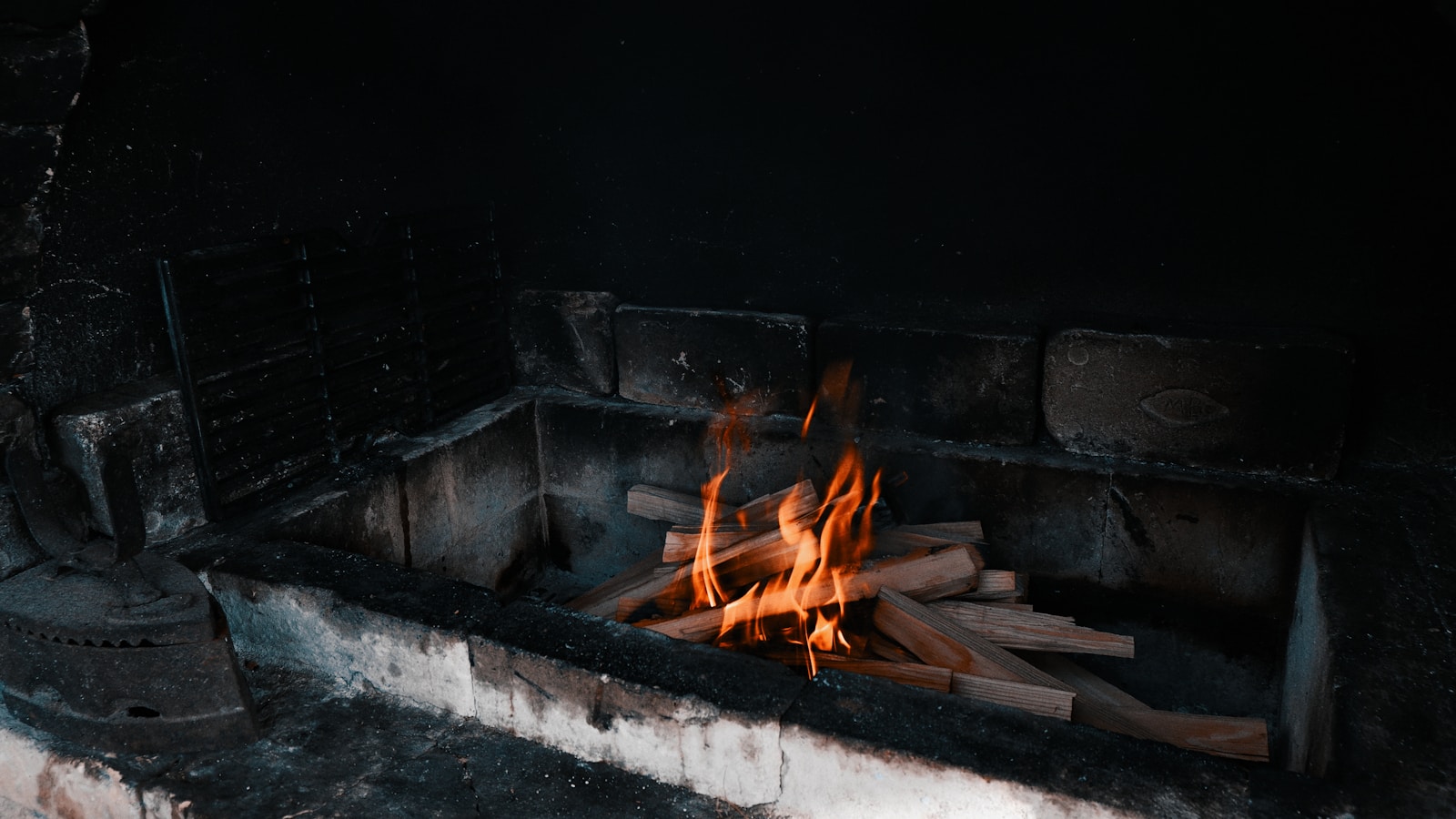
The family immediately gathered blankets, fired up their fireplace, and strategically placed space heaters in the rooms they needed most while sealing off unused areas of the house to conserve what little warmth remained. With emergency HVAC services not available until morning, they had to rely on whatever resources they had on hand to make it through one of the coldest nights of the season.
Their experience highlights what thousands of families face each winter when heating systems fail at the worst possible moment. The Johnsons’ quick thinking and resourcefulness during those critical hours offer a real-world glimpse into the challenges of maintaining warmth during a furnace emergency.
How One Family Stayed Warm When Their Furnace Went Out
When the Thompson family’s furnace failed at 2 AM during a brutal 13-degree night, they faced an immediate crisis that required quick thinking and resourcefulness. Their experience with alternative heating sources and safety measures kept them comfortable through the coldest hours until help arrived.
Immediate Actions After the Furnace Failure
Sarah Thompson first noticed something was wrong when she woke up shivering around 2:30 AM. The thermostat read 58 degrees and dropping fast. Her husband Mike checked the furnace in the basement and confirmed it had completely shut down.
They immediately gathered the family into the master bedroom, which was on the smaller side and easier to heat. Mike pulled out two portable space heaters from storage that they kept for emergencies. Sarah grabbed every spare blanket from the linen closet and started layering them on the beds.
The couple closed all bedroom doors throughout the house to contain what little heat remained. They stuffed towels under the door gaps to prevent cold air from seeping in. Within thirty minutes of discovering the furnace failure, they had created a makeshift warm zone where the entire family could stay comfortable.
Making the Most of Alternative Heating Sources
The Thompsons set up their two electric space heaters strategically in the bedroom. Mike positioned one near the bed where the kids would sleep and another by the doorway to create a barrier against cold air. The family also brought their portable propane heater up from the garage, though they were cautious about using it indoors.
Sarah heated water on the gas stove and filled hot water bottles for each family member. They kept the oven door cracked open after baking a quick batch of cookies, which added both warmth and comfort to their situation. The family wore multiple layers of clothing, including hats and thermal socks.
By 4 AM, they had the bedroom temperature stabilized at 65 degrees. Mike called an emergency HVAC service, but they wouldn’t arrive until 8 AM at the earliest.
Safety Precautions With Portable Heaters
The Thompsons knew they needed to be careful with their heating strategy using space heaters. Mike made sure each heater sat at least three feet away from curtains, bedding, and furniture. He plugged them directly into wall outlets rather than using extension cords.
Sarah checked their carbon monoxide detector twice during the night to ensure it was functioning properly. They cracked a window slightly in the bedroom to maintain fresh air circulation, even though it seemed counterintuitive. The family took turns staying awake in two-hour shifts to monitor the heaters.
They never left the space heaters running unattended and turned them off before anyone fell asleep for more than brief periods. The propane heater stayed off entirely since they didn’t feel confident using it overnight in an enclosed space.
Home Insulation and Preparation Tips for Emergency Heating
When the family’s furnace died at 13 degrees, they quickly realized their home wasn’t ready to retain what little heat they could generate. Proper insulation and sealing became critical factors in keeping rooms livable while they waited hours for repair.
Insulating Rooms to Retain Heat
The family immediately focused on their living room and bedrooms, closing off unused spaces to concentrate warmth. They pulled heavy blankets from closets and hung them over doorways leading to unheated areas.
Within the first hour, they noticed the kitchen losing heat rapidly through the tile floor. They rolled out area rugs and placed cardboard underneath for added insulation between the cold floor and their feet. The difference was noticeable within minutes.
They also pushed furniture away from exterior walls, which felt ice-cold to the touch. The parents remembered reading that insulation helps maintain consistent heating and reduces strain during normal operation, but now they understood how little protection their walls actually provided.
The family stacked couch cushions against the large picture window in their living room and draped sleeping bags over them. This makeshift barrier helped slow the heat loss from their portable heater.
Draft-Proofing Doors and Windows
Cold air whistled through gaps around their front door that nobody had noticed before. The father grabbed old towels and stuffed them along the bottom edge, immediately feeling less cold air seeping in.
They discovered drafts around every window frame when they held their hands near the edges. The mother used painter’s tape to seal visible cracks temporarily, though she knew this wouldn’t hold long-term. She found draft spots by watching where condensation formed on the glass.
The sliding door to their deck proved particularly problematic. Even locked tight, air rushed through the track. They wedged a wooden dowel in the channel and hung a thick comforter across the entire door.
Long-Term Upgrades for Future Outages
After that freezing night, the family scheduled an insulation inspection for their attic. The technician later found several areas where insulation had settled or gotten wet, leaving gaps.
They invested in weather stripping for all exterior doors and caulking for window frames. The father also added storm windows to their older single-pane bedroom windows, creating an extra barrier against future cold snaps.
The family purchased thermal curtains for every room and installed foam gaskets behind electrical outlet covers on exterior walls. These small changes made their home better prepared for heating emergencies that might happen again.
More from Willow and Hearth:
Leave a Reply