A homeowner’s decision to install water leak alarms throughout their house paid off when an early morning alert caught a slow drip under the kitchen sink that had been happening for days. The notification came while they were washing dishes, standing directly above the leak without any idea water was pooling in the cabinet below.
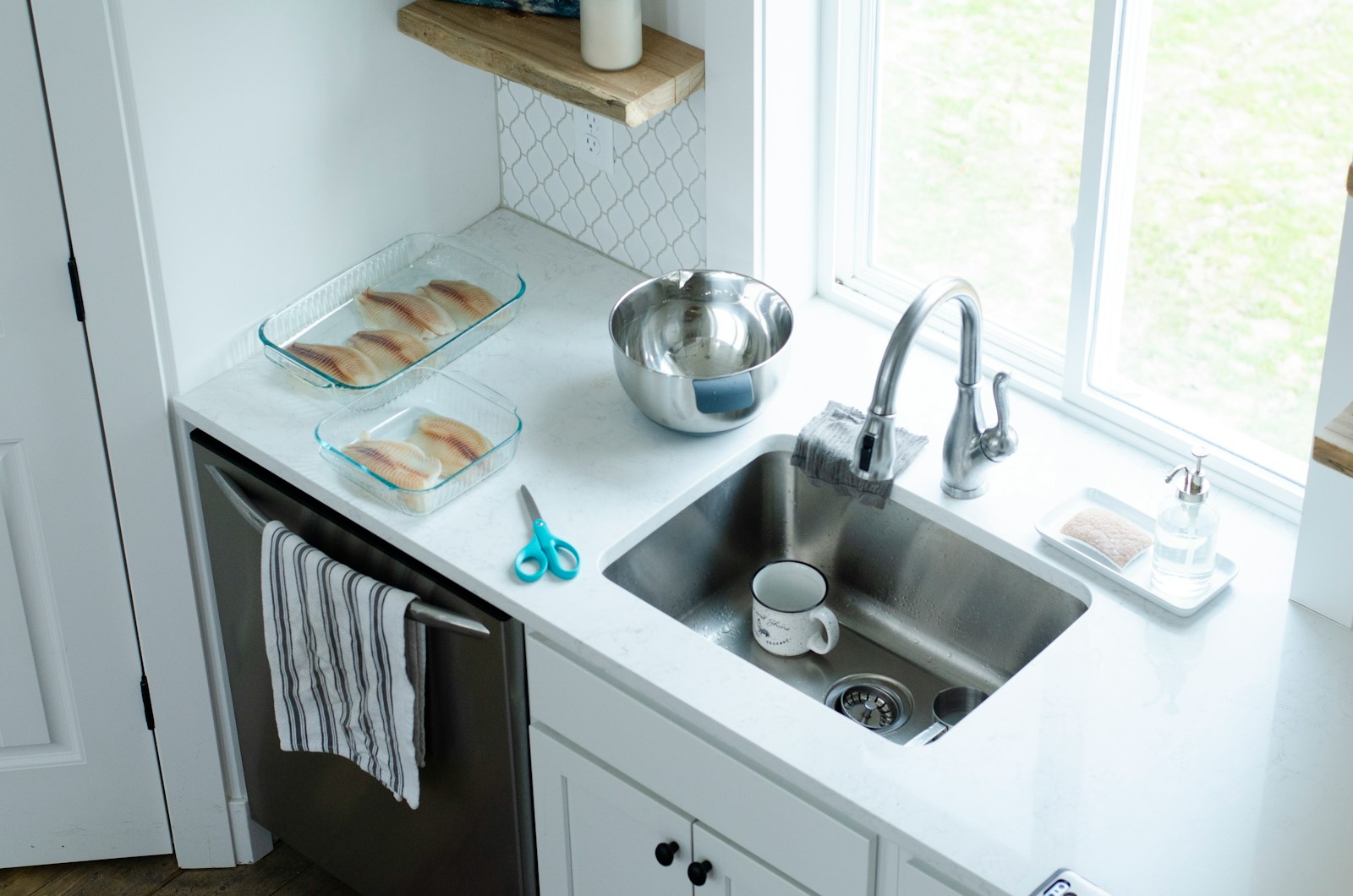
The small sensor, which cost around $35, detected moisture from a corroded supply line valve—the type of slow leak that could have rotted out the cabinet floor and spread to the subfloor if left unnoticed for weeks. A plumber replaced the faulty valve and braided lines before any real damage occurred.
The homeowner described the experience as a wake-up call about how water leak sensors work to catch problems before they escalate. What started as barely noticeable moisture on a fitting turned into a tiny drip that collected in the back of the cabinet where cleaning supplies had been shoved months earlier. Without the sensor placed near the P-trap, the leak would have continued undetected during the homeowner’s usual once-a-month cabinet checks.
How Water Leak Alarms Prevent Hidden Damage
Water leak detectors catch problems that would otherwise go unnoticed for days or weeks, turning what could be thousands of dollars in repairs into a quick fix. A single alert can expose drips hidden behind cabinet walls, under appliances, or in hard-to-reach plumbing connections.
Early Morning Detection: The Difference a Single Beep Makes
The homeowner heard the alarm at 4:30 a.m., a sharp beep cutting through the quiet house. Without that water leak sensor alerting them immediately, the drip under the kitchen sink would have continued undetected until visible damage appeared.
By the time most people notice a leak on their own, water has already soaked into flooring, warped cabinets, or created conditions for mold growth. The sensor gave them hours of advance warning before leaving for work that morning. They shut off the water supply, called a plumber, and avoided what could have been a much bigger problem.
That early detection meant the difference between a simple pipe fitting replacement and potential cabinet replacement, subfloor damage, and mold remediation.
Common Hidden Leak Sources Under Sinks
Kitchen and bathroom sinks hide several common failure points that homeowners rarely check. Supply line connections can loosen over time from normal water pressure and temperature changes. The P-trap underneath collects debris and can corrode or develop cracks at the joints.
Garbage disposal connections often leak at the dishwasher inlet or where the disposal meets the sink drain. Under-sink shut-off valves can fail, especially in older homes where they haven’t been turned in years.
Typical under-sink leak sources:
- Supply line connections to faucets
- P-trap joints and seals
- Garbage disposal mounting rings
- Dishwasher drain hoses
- Shut-off valve stems and packing nuts
The homeowner’s leak came from a supply line connection that had gradually loosened, creating a slow drip that pooled in the cabinet base.
How Water Leak Detectors and Sensors Work
Water leak detection devices use metal probes that sit flat on surfaces where water might collect. When water bridges the gap between the probes, it completes an electrical circuit that triggers the alarm.
The sensor the homeowner installed didn’t require professional installation or complex wiring. It ran on batteries and sat directly on the cabinet floor beneath the sink pipes. When water from the dripping connection touched both probes, the circuit closed and the device started beeping.
Some models connect to Wi-Fi and send smartphone notifications, but basic models rely on a loud local alarm. The homeowner’s unit produced an 85-decibel sound, loud enough to wake them from two rooms away.
Why Immediate Alerts Matter for Homeowners
Water damage progresses quickly once it starts. A drip that seems minor can saturate particle board cabinets within hours, causing them to swell and break down. Water alarms provide early warnings that give homeowners time to respond before damage spreads beyond the immediate area.
The homeowner estimated the leak had been active for less than two hours based on the amount of water in the cabinet. Their water sensors caught it before the moisture reached the surrounding cabinetry or seeped through to the floor below. Without the alarm, they would have left for work and returned to find water damage that had progressed all day.
Insurance claims for water damage average thousands of dollars, and many policies don’t cover gradual leaks that go undetected. The $25 sensor saved them from potential repair costs and the hassle of dealing with insurance claims.
Smart Placement and Setup of Water Leak Sensors
The homeowner positioned water leak sensors under kitchen and bathroom sinks throughout the house, focusing on areas where plumbing connections hide behind cabinet doors. This strategic placement caught a slow drip at 3 AM that would have gone unnoticed for weeks.
Why Under-Sink Placement Is Essential
Under-sink areas ranked as one of the most common spots for hidden leaks in the homeowner’s research. Drips from loose connections or failing supply lines often stay concealed behind cleaning supplies and storage items until significant damage occurs.
The homeowner discovered that underneath sinks provides early detection for problems that typically go unnoticed. Water alarms positioned directly on cabinet floors detect moisture before it spreads to surrounding areas or seeps into flooring.
In this particular case, a kitchen sink supply line developed a small crack that released drops every few minutes. The sensor detected the first pooling water within an hour of the leak starting, allowing the homeowner to shut off the valve and call a plumber before any cabinet damage occurred.
Tips for Installing Water Alarms in High-Risk Areas
The homeowner placed sensors with battery compartments facing down, following manufacturer recommendations. This positioning kept the detection points in direct contact with any water accumulation on flat surfaces.
Beyond sinks, the homeowner installed leak detection devices near the water heater, washing machine connections, and toilet bases. These locations represented the highest risk areas based on common placement strategies that focus on appliances and fixtures with frequent water flow.
Each sensor connected to the home’s WiFi network through a smartphone app. The setup process took about five minutes per device, requiring only removal of a battery tab and following pairing instructions. The homeowner tested each alarm by placing a damp paper towel on the sensors to verify proper notification delivery.
Limitations, Maintenance, and Extra Homeowner Benefits
The water sensors only detected leaks in their immediate placement areas, missing any problems behind walls or in unmonitored spaces. The homeowner accepted this limitation while recognizing that strategic placement covered the most vulnerable spots.
Battery life became an ongoing consideration, with the devices requiring replacement every 18 to 24 months according to specifications. The app sent low-battery notifications well in advance, preventing gaps in protection.
The early morning alert that caught the kitchen leak also revealed an unexpected benefit. The homeowner’s insurance company offered a premium discount for having certified leak detection systems installed, reducing annual costs by approximately 10 percent after providing documentation of the water alarms.
More from Willow and Hearth:
Leave a Reply