A family’s dream of installing a backyard pool has turned into a heated property dispute with their neighbor. The conflict erupted when the neighbor claimed the new pool structure blocked sunlight from reaching their entire garden, sparking tensions between the two households.
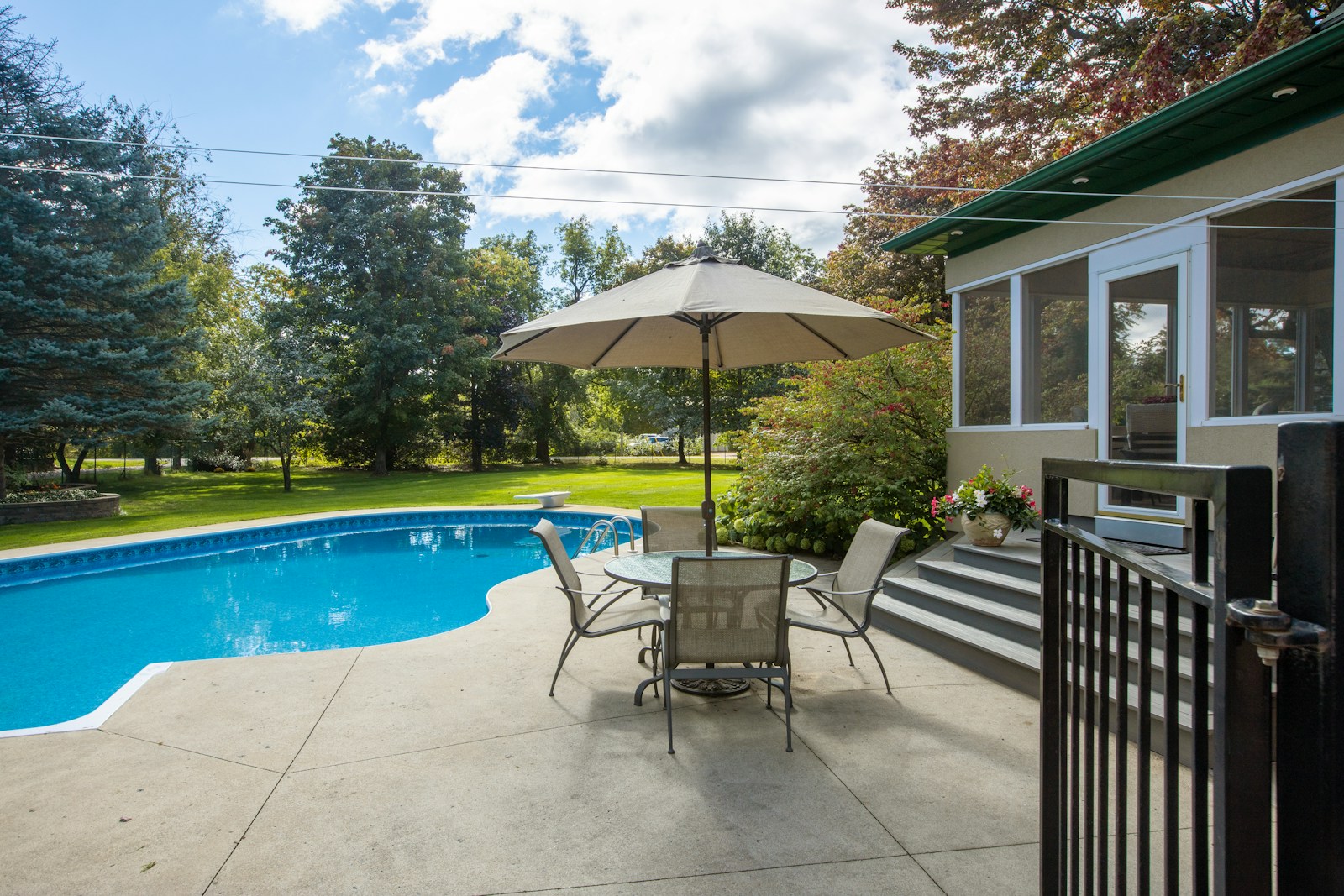
The dispute centers on whether the pool installation violated the neighbor’s right to natural light and how property owners can resolve conflicts over structures that affect adjacent yards. The situation has drawn attention from local residents who are watching to see how the disagreement unfolds.
The case highlights the challenges homeowners face when outdoor projects impact neighboring properties. Both families are now navigating the complex intersection of property rights, local regulations, and neighborhood relations as they work toward a resolution.
Family’s Backyard Pool Project Sparks Neighborhood Dispute
A family’s decision to install a backyard pool has erupted into a heated property dispute after their neighbor accused them of blocking sunlight to an entire garden. The conflict centers on construction permits, shadow patterns, and the immediate fallout between the two households.
Construction Plans and Permitting Challenges
The family submitted plans for an in-ground pool with surrounding privacy walls and landscaping features. Local building codes required setback measurements from property lines, which the family believed they had satisfied. However, the neighbor challenged the permit application, claiming the proposed structure violated height restrictions for poolside features.
Installing a pool requires proper permits in most jurisdictions, and skipping permits can result in forced demolition of newly built pools. The family worked with contractors who pulled the necessary permits before breaking ground. Despite having official approval, the neighbor filed a complaint with the zoning board arguing that the privacy wall accompanying the pool exceeded allowable heights for residential structures.
The permitting process stretched over several weeks as officials reviewed measurements and reviewed property surveys. The family maintained they followed all regulations while the neighbor insisted the plans would create unacceptable impacts on adjacent properties.
Impact on Neighbor’s Garden Sunlight
The neighbor’s primary complaint focused on how the pool installation would cast shadows across a vegetable garden cultivated over several years. The garden relied on direct southern exposure for most of the day, providing sunlight necessary for tomatoes, peppers, and other sun-dependent crops.
Shadow studies presented by the neighbor showed the privacy wall would block afternoon sun for approximately four to five hours daily during peak growing season. The neighbor argued this represented a substantial loss of property value and enjoyment. They claimed the garden produced fresh vegetables worth hundreds of dollars annually and served as a primary outdoor activity.
The family countered that their pool and wall remained entirely within their property boundaries and complied with all setback requirements. They noted that blocking a neighbor’s view with privacy structures sometimes triggers disputes, but they believed their plans fell within legal parameters.
Immediate Reactions from Both Homeowners
The neighbor confronted the family directly after construction crews arrived to excavate the pool area. Witnesses reported a heated exchange where the neighbor demanded work stop immediately. The family refused, pointing to their approved permits and property rights.
The neighbor responded by posting complaints on neighborhood social media groups and circulating a petition among nearby residents. Some neighbors sided with the gardening concerns while others defended the family’s right to improve their property. The dispute quickly divided the previously quiet street into opposing camps.
Both parties hired attorneys within days of the initial confrontation. The neighbor filed for a temporary restraining order to halt construction pending a full hearing. The family proceeded with pool installation while preparing their legal defense, arguing that delays would breach contracts with their construction company.
Property Rights and Resolving Sunlight Conflicts
When backyard projects like pools trigger disputes over blocked sunlight, property owners face a complex web of legal rights and neighborly obligations. Understanding how solar access rights intersect with ownership boundaries becomes critical when one family’s improvement casts shadows over another’s garden.
Legal Considerations in Sunlight Disputes
Property law treats sunlight access differently depending on location and existing agreements. Ownership rights typically extend vertically into airspace above a property, but they don’t automatically guarantee protection from neighboring structures that block sun.
Courts have historically examined whether property owners have established solar access easements through explicit agreements or implied arrangements. These legal protections must be properly documented and registered to hold up in disputes.
Different types of property conflicts require understanding what rights actually exist. Without a pre-existing easement or covenant, homeowners generally can’t prevent neighbors from building structures on their own land, even if those additions create shade.
Zoning laws add another layer. Local building codes may restrict structure heights or placement, potentially offering some protection for solar access. However, these regulations vary widely and often prioritize development rights over sunlight concerns.
Negotiation Steps and Communication Tips
When the pool project began casting shadows across the neighbor’s garden, direct conversation became the first step. Property owners who approach disputes calmly and document their concerns tend to reach better outcomes than those who immediately escalate.
The affected neighbor needed to explain specifically how the pool structure impacted their garden—which plants suffered, what times of day lost sunlight, and how much of the yard was affected. Concrete details help the other party understand the real consequences.
Neighbors requesting access through yards for construction projects often creates opportunities for negotiation. The pool builders might have offered concessions about placement or design had they known about the sunlight concerns earlier.
Finding Compromises and Long-Term Solutions
The families needed to explore practical adjustments beyond legal threats. Modifying the pool’s screening, fencing, or landscaping could reduce shadow impact without requiring major reconstruction.
Potential compromises included:
- Adjusting fence heights or materials to allow more light through
- Planting shade-tolerant species in affected garden areas
- Repositioning pool equipment or structures creating the most obstruction
- Creating written agreements about future construction projects
Some disputes lead to formal mediation or legal proceedings when direct negotiation fails. Legal professionals can clarify what remedies exist based on local property laws and whether the affected party has grounds to demand changes.
The timing matters too—waiting too long to address boundary and property issues can limit legal options through statutes of limitations. Acting promptly while remaining open to compromise gives both sides more flexibility in reaching workable solutions.
More from Willow and Hearth:
Leave a Reply