A homeowner has taken to social media with an unusual complaint: their well-meaning neighbor won’t stop watering their plants through the fence, and it’s actually killing them. The neighbor’s attempts to help have backfired because they’re overwatering plants that have specific moisture requirements, leading to root rot and wilted foliage. The frustrated homeowner posted a polite but firm message asking their neighbor to “please stop helping my garden.”
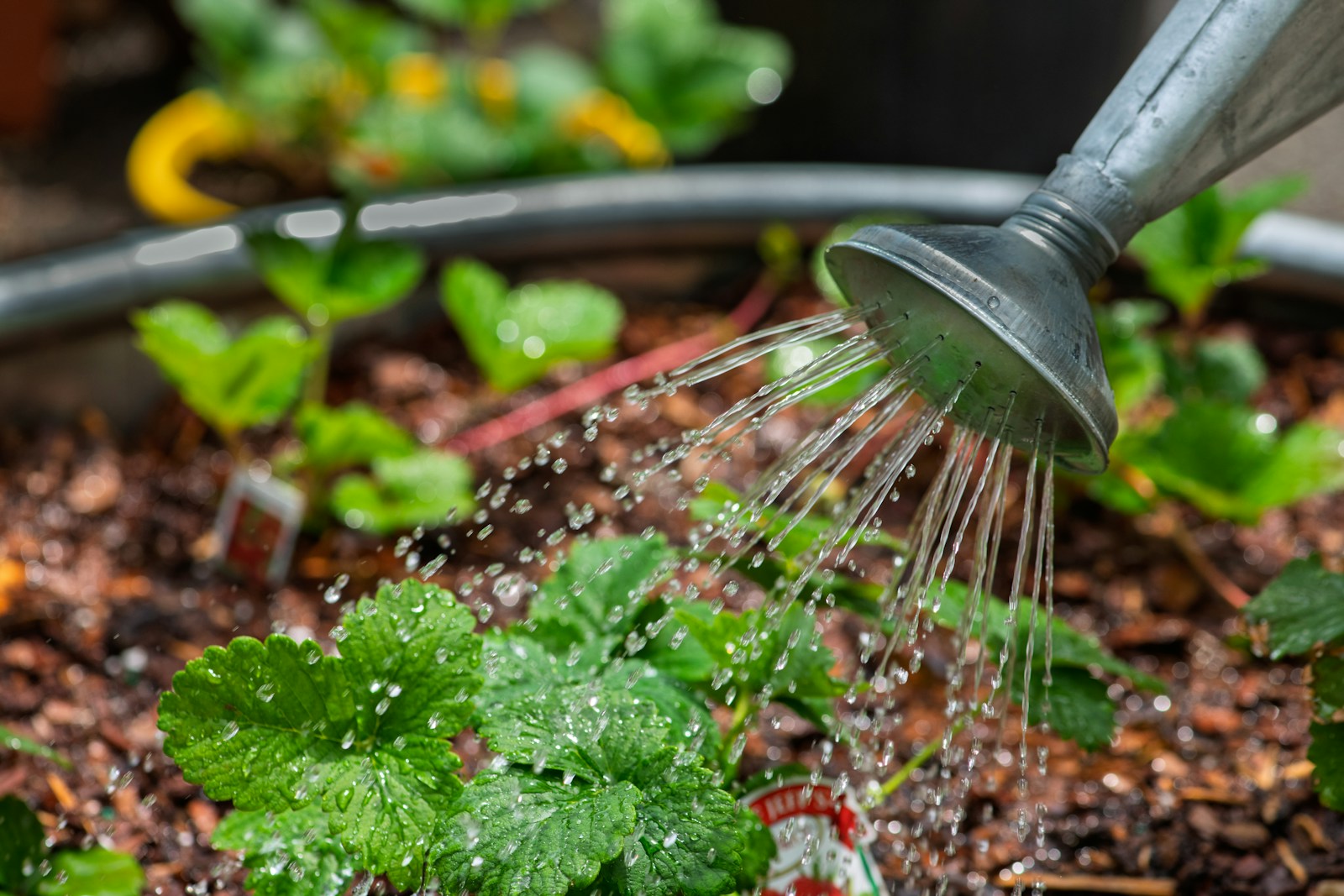
The situation highlights a common problem between neighbors when property lines and garden beds overlap. What one person thinks is helpful can turn into a headache for someone else, especially when it comes to plant care that requires specific knowledge and attention.
The homeowner’s story has sparked discussions online about how to handle neighbors who cross boundaries with good intentions. Many gardeners have shared similar experiences of dealing with overeager helpers who don’t realize their actions are causing more harm than good.
The Problem: Neighbor’s Watering Hurting The Garden
When a neighbor waters plants through a shared fence, they might think they’re being helpful, but the extra moisture can actually damage or kill the plants on the other side. The homeowner found themselves in this exact situation, watching their garden suffer from unwanted irrigation that created more problems than it solved.
How Overwatering Through The Fence Is Damaging Plants
The neighbor’s watering habits were creating serious issues for the plants growing along the fence line. Too much water suffocates plant roots by displacing oxygen in the soil, which leads to root rot and eventual plant death.
Plants that receive water from both their owner and a neighbor’s sprinkler system end up sitting in constantly saturated soil. This excess moisture creates ideal conditions for fungal diseases and attracts pests that thrive in damp environments.
The homeowner noticed their plants yellowing and wilting despite the abundant water. These are classic signs of overwatering, not drought. The grass along the fence line started dying off, leaving muddy patches where healthy lawn once grew.
Different plants have different water needs, and the neighbor’s watering schedule didn’t account for what was actually planted on the other side of the fence. What works for one garden can be completely wrong for another.
Homeowner’s Plea: Asking Neighbors To Stop Unwanted Watering
The frustrated homeowner asked their neighbor to stop watering through the fence, explaining that the extra water was killing their plants rather than helping them. They made it clear that the water damage from the neighbor’s sprinklers wasn’t appreciated or needed.
The request was straightforward: please stop helping my garden. The homeowner emphasized that they had their own watering routine tailored to their specific plants and soil conditions.
Getting neighbors to understand that their “help” is actually harmful can be tricky. Many people assume that more water is always better for plants, not realizing the damage they’re causing.
The homeowner had to explain that the uninvited watering was creating a maintenance problem and costing them money to replace dead plants.
Common Reasons Neighbors Water Each Other’s Plants
Some neighbors water plants through fences simply because their sprinkler systems spray in that direction. They might not even realize how far their water is reaching into the adjacent property.
Others genuinely believe they’re being helpful by keeping nearby plants looking green. They see dry-looking soil or plants and assume the owner isn’t watering enough, when in reality those plants might prefer drier conditions.
Poorly positioned sprinkler heads often send water several feet beyond their intended target area. A neighbor watering their lawn might inadvertently drench plants, decks, or even outdoor equipment on the other side of the fence.
In some cases, neighbors simply don’t think about where their water is going. They turn on the sprinklers and go about their day without considering that the spray pattern affects more than just their own yard.
Dealing With Interfering Neighbors In The Garden
Garden boundary issues between neighbors often stem from good intentions gone wrong, but they require direct communication and physical barriers to resolve effectively.
Setting Clear Boundaries In Shared Outdoor Spaces
Physical boundaries help prevent neighbors from reaching over fences to water or tend plants that aren’t theirs. Installing taller fencing or adding lattice extensions can make it harder for someone to extend their garden hose or watering can into another yard. Some homeowners place their most delicate plants further from shared fence lines to avoid accidental damage.
Property line encroachments can include overwatering incidents when neighbors believe they’re being helpful. Clear markers like decorative edging or small signs on the homeowner’s side of the fence communicate which plants belong to whom. In cases where neighbors share a fence, establishing which side maintains which plants prevents confusion.
Creating a buffer zone of hardscaping or less sensitive plants near the property line gives homeowners more control. This strategy protects prized specimens from well-meaning but misguided assistance from the other side of the fence.
Tips For Communicating With Well-Meaning Neighbors
Direct conversations work better than leaving passive-aggressive notes or ignoring the problem. The homeowner experiencing unwanted garden help needs to explain specifically why the extra watering damages their plants rather than helps them. Different plant species have varying water requirements, and overwatering kills just as easily as drought.
Bringing photos of damaged plants to the discussion makes the problem concrete rather than abstract. Dealing with difficult neighbors often requires documentation of the issue. A calm explanation that certain plants need dry soil or specific watering schedules usually gets through to neighbors who think they’re being helpful.
Some people find success by explaining their gardening philosophy or schedule. Mentioning that the plants receive professional care or follow a precise regimen sometimes stops neighbors from interfering.
Preventing Unwanted Help In The Future
Installing physical deterrents like thorny plants along the fence line discourages neighbors from reaching through. Rose bushes or other defensive plantings create a natural barrier without seeming unfriendly.
Posting small weatherproof signs that read “Please do not water” or “Garden on automated system” reminds forgetful neighbors. These notices work particularly well when placed at eye level near the fence.
Relocating sensitive plants to areas farther from shared boundaries protects them from interference. Homeowners can keep their most finicky specimens in sections of the yard where neighbors can’t physically reach them, even if they wanted to help.
More from Willow and Hearth:
Leave a Reply