A frustrated homeowner faces an unusual morning invasion that’s becoming impossible to ignore. Ten chickens from a neighbor’s property have made it their daily routine to march onto his lawn, scratching and pecking at the grass seed he recently planted. What started as an occasional visit has turned into a persistent problem that’s destroying his landscaping efforts.
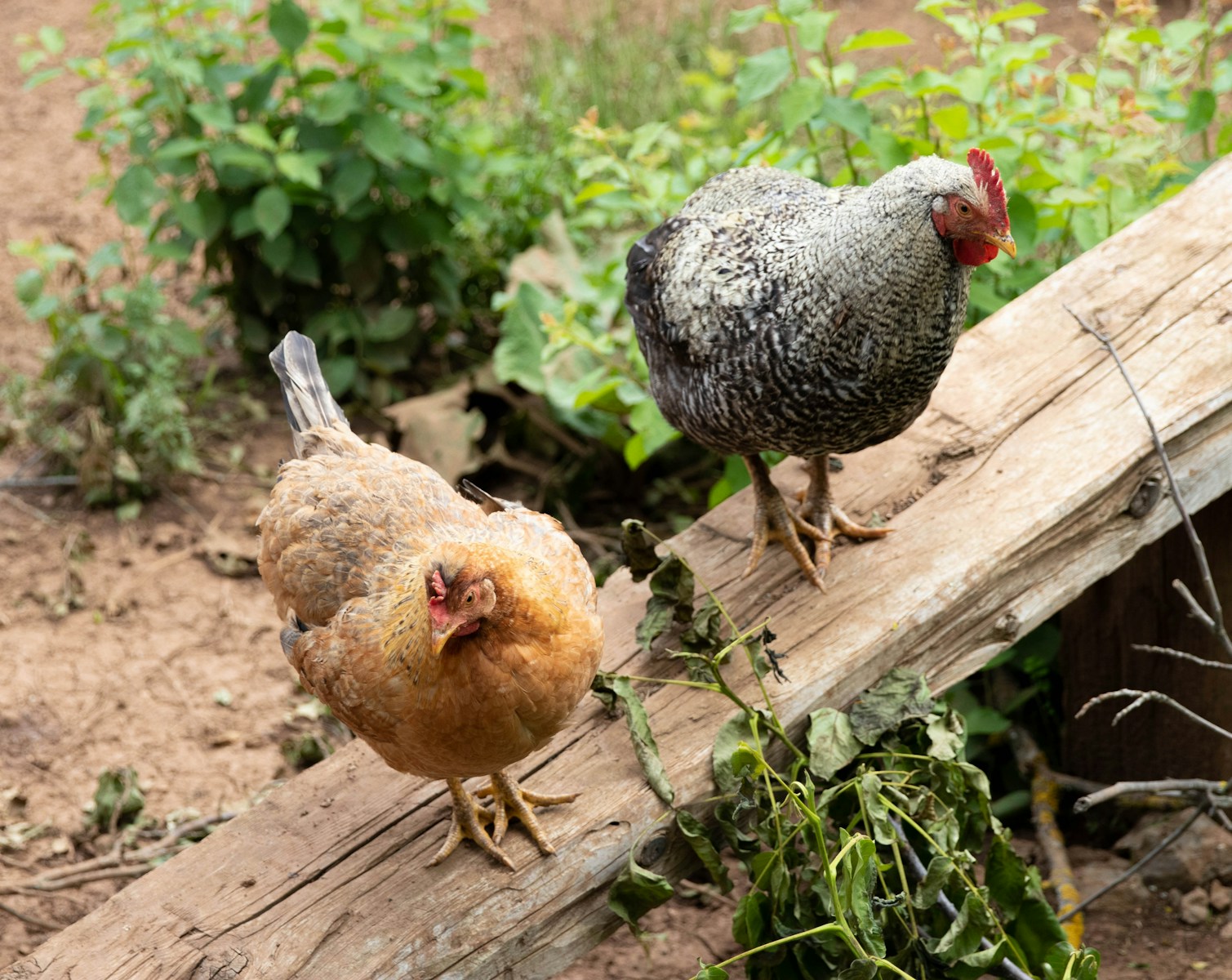
The situation highlights a growing challenge in residential areas where backyard chicken keeping meets traditional homeownership expectations, leaving one property owner dealing with repeated damage while trying to maintain neighborly relations. Each morning brings the same scene as the flock crosses property lines, undoing his lawn care work and raising questions about responsibility and boundaries.
The homeowner now finds himself caught between wanting to protect his property and avoiding conflict with neighbors who may not realize the extent of the problem. The recurring chicken visits have sparked concerns about property damage and how to address trespassing poultry in suburban settings where backyard farming is increasingly common.
Understanding the Chicken Invasion and Property Rights
When ten chickens repeatedly cross property lines each morning and destroy freshly planted grass seed, the situation involves multiple legal considerations including trespass, property boundaries, and local regulations governing animals in residential areas.
Recurring Animal Trespass and Its Effects on Property
The daily chicken invasion represents a form of animal trespass that falls under property law. When a neighbor’s animals regularly enter someone else’s property and cause damage, the owner of those animals has a legal duty to keep them contained.
In this case, the ten chickens marching onto the property every morning creates a pattern of recurring trespass. The damage to the newly planted grass seed constitutes property damage that the chicken owner may be liable for. The homeowner experiencing this problem has the right to document the damage and seek compensation for the destroyed grass seed.
Property owners dealing with chickens invading their yard face both property damage and ongoing frustration from the repeated intrusions. The persistent nature of the morning visits makes this more than a one-time incident.
The Homeowner’s Right to Quiet Enjoyment
Property rights include the concept of quiet enjoyment, which means homeowners have the right to use their property without unreasonable interference from others. The daily chicken invasion interferes with this right by preventing the homeowner from successfully establishing his lawn.
Every morning when the chickens arrive and tear up the grass seed, they prevent him from enjoying the basic use of his yard. This repeated interference goes beyond minor annoyance. The ongoing nature of the problem means he cannot complete a simple landscaping project on his own property.
The quiet enjoyment principle protects property owners from neighbors whose animals, noise, or other activities substantially interfere with normal property use. Ten chickens destroying planted grass seed qualifies as this type of interference.
Property Boundaries and Fence Laws
Property boundaries define where one owner’s rights end and another’s begin. The chickens crossing these boundaries creates a clear case of animals leaving their permitted area. Many jurisdictions have fence laws that determine who bears responsibility for containing animals.
Some areas follow “fence-out” laws where property owners must fence their land to keep others’ animals away. Other regions use “fence-in” laws that require animal owners to contain their livestock within their own property. The chicken owner’s responsibility depends on which type of law applies in their location.
Installing a fence or barrier represents one solution, but who pays for it depends on local fence laws and property boundaries.
Local Zoning Laws and Animal Control Regulations
Residential zoning laws often restrict or regulate chicken keeping, including limits on the number of birds allowed. The neighbor keeping ten chickens may be violating local ordinances depending on the jurisdiction.
Many municipalities require permits for backyard chickens and specify how many birds residents can keep. These regulations typically also require that chickens remain on the owner’s property. Local animal control departments enforce these rules and can intervene when violations occur.
The homeowner dealing with the morning chicken invasions can contact his local animal control office to determine whether the neighbor is complying with zoning laws and animal regulations. If the neighbor exceeds the legal limit or fails to contain the birds properly, authorities may issue citations or require corrective action.
Resolving Neighbor Disputes Over Lawn Damage and Nuisance
When chickens repeatedly destroy newly planted grass seed, homeowners face a clear case of property damage that falls under nuisance law. The situation requires careful documentation, direct neighbor contact, and potentially legal action if the problem persists.
Direct Communication and Documentation
The homeowner’s first step involves approaching the neighbor to discuss the chicken invasion issue and explain how the birds are damaging the lawn. He needs contact details for both parties and a clear description of what’s happening each morning.
Documentation becomes critical for any neighbor dispute. The homeowner should record:
- Dates and times of each chicken incursion
- Photos or videos showing the birds on his property
- Evidence of damage to the grass seed areas
- Written records of conversations with the neighbor
He might send a friendly text or email noting the damage, which creates a paper trail. If the neighbor responds positively, they can work together on solutions like better fencing or keeping the chickens contained during morning hours. Saving these communications proves valuable if the situation escalates beyond casual conversation.
Filing Complaints and Seeking Injunctions
When direct talks fail, the homeowner can file a complaint with local code enforcement or animal control. These departments investigate whether the neighbor’s chickens comply with zoning ordinances and local poultry regulations. Many municipalities restrict how many chickens residents can keep based on lot size.
The complaint process typically requires the homeowner to submit his documented evidence of the ongoing disturbances. Officials then inspect the neighbor’s property to verify compliance with chicken-keeping laws.
If complaints don’t resolve the issue, he might pursue an injunction through the courts. An injunction legally orders the neighbor to prevent the chickens from entering his yard. This remedy addresses the ongoing nature of the problem rather than just seeking monetary damages for past harm.
Understanding Nuisance Lawsuits and Legal Remedies
The daily chicken invasions could constitute a private nuisance since they substantially interfere with the homeowner’s use and enjoyment of his property. Filing a nuisance complaint might lead to small claims court, where maximum damage amounts typically range between $8,000 and $12,000.
A private nuisance lawsuit requires proving the neighbor’s chickens cause continuous, unreasonable interference. The destroyed grass seed, replacement costs, and diminished property value all factor into nuisance claims. Unlike public nuisance cases that affect entire communities, this situation impacts only the adjacent property owner.
Most people handle small claims cases without hiring an attorney due to simplified procedures. However, for complex property disputes or cases seeking injunctions, consulting a real estate attorney makes sense. Legal counsel helps navigate nuisance action requirements and court procedures that vary by jurisdiction.
More from Willow and Hearth:
Leave a Reply