A woman’s treasured memorial garden was destroyed when a landscaper mistakenly removed an entire flower bed she had carefully planted in honor of her late mother. The worker dismissed the carefully cultivated plants as weeds and tore them out without asking, leaving the homeowner devastated when she discovered what had happened.
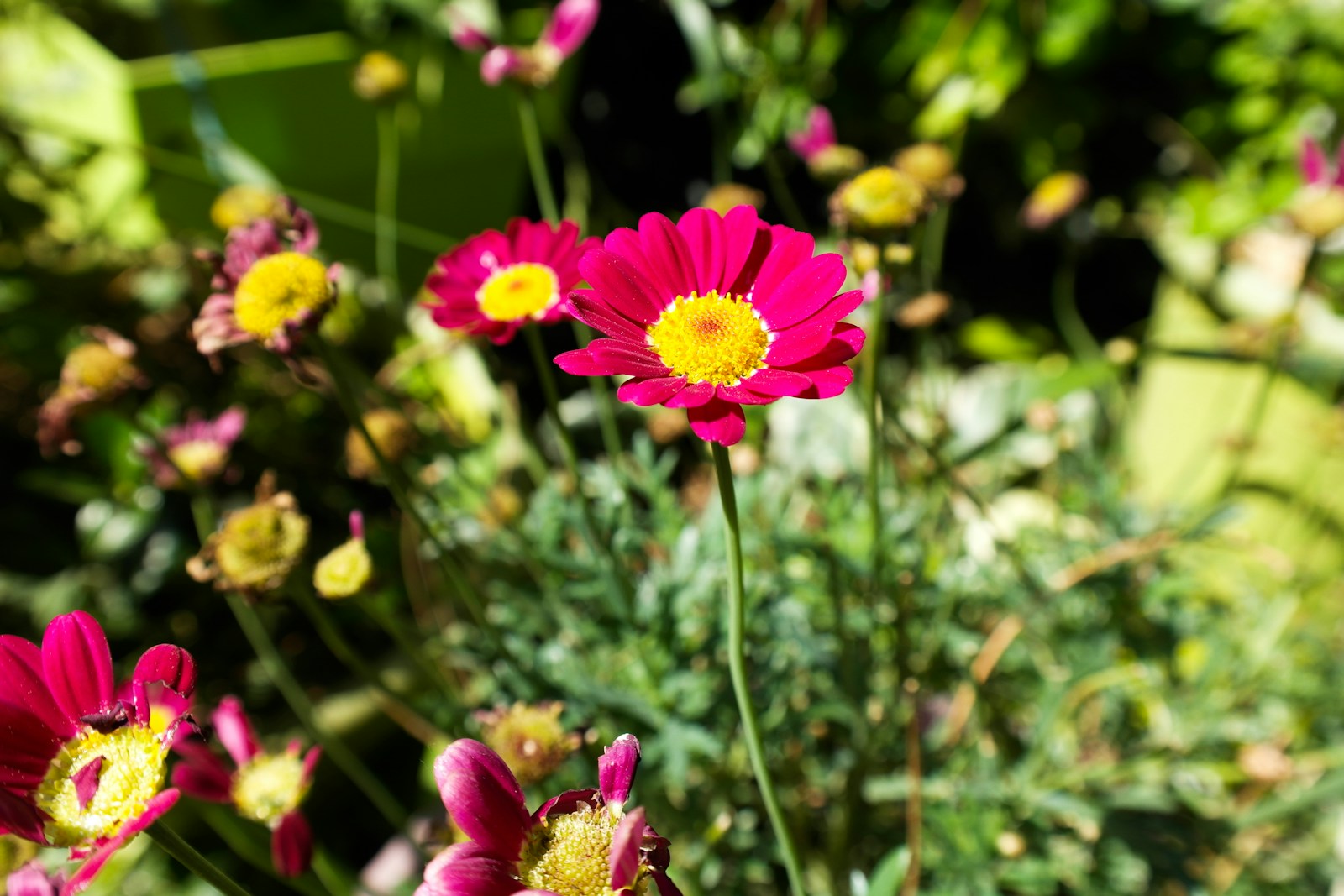
The landscaper’s casual explanation that he thought the flowers were weeds did nothing to ease the woman’s anger and grief over losing this deeply personal tribute to her mother. The incident highlights how a simple miscommunication can result in the loss of something irreplaceable.
The story has sparked conversations about the importance of clear communication between homeowners and landscaping professionals. Sometimes what appears to be weeds pushing through dry soil can actually be intentional plantings that hold profound sentimental value, making it crucial for workers to verify before removing anything from a client’s property.
The Emotional Fallout: Why the Flower Bed Was So Meaningful
The flower bed represented years of careful planning and deeply personal memories tied to her late mother. Its unexpected destruction triggered immediate grief and anger that went far beyond simple gardening.
Personal Connection to the Flower Bed
The woman had spent months selecting specific flowers that held special meaning in her relationship with her mother. Each plant represented a shared memory or inside joke between them.
She’d arranged the flowers in a particular pattern that mirrored her mother’s favorite garden from childhood. The layout wasn’t random—it told a story that only family members would recognize. She watered and tended the bed daily, treating it as a living memorial rather than simple landscaping.
The flower bed sat in a spot visible from her kitchen window. She could see it while doing dishes or making coffee, providing daily comfort during her grief. Those quiet moments of observation had become part of her mourning ritual.
Commemorating Her Late Mother
Her mother had passed away just eight months before the flower bed’s destruction. The garden served as a physical space where she could feel connected to her mom’s memory.
Among the plants were her mother’s favorite varieties: purple irises, white peonies, and yellow daylilies. She’d even transplanted cuttings from her mother’s own garden to include in the bed. These weren’t plants she could easily replace at a nursery.
She’d placed a small commemorative stone within the flowers bearing her mother’s name and dates. The landscaper had removed this along with the plants, adding to her distress.
Initial Response to the Destruction
When she discovered what happened, she stood in shock staring at the empty dirt where the flowers had been. The landscaper had already hauled everything away to a disposal site.
Her first call was to the landscaping company, where she struggled to explain through tears why this wasn’t just about plants. The company initially offered to replant the area with new flowers, completely missing the point. She explained that these specific plants, particularly the transplants from her mother’s garden, were irreplaceable.
Similar situations have occurred where homeowners became furious after discovering someone removed flower beds containing significant personal meaning.
How Miscommunication and Landscaping Mistakes Led to Heartbreak
The devastating loss of a memorial flower bed came down to a series of unfortunate assumptions and gaps in communication between the homeowner and her landscaper. What the woman had carefully cultivated as a living tribute became collateral damage in what the landscaper dismissed as routine yard maintenance.
The Landscaper’s Perspective and Admission
The landscaper reportedly told the woman he mistook the memorial flowers for weeds and removed them without asking. He approached the situation with a casual attitude that only intensified her grief and anger.
From his viewpoint, the plants didn’t fit the typical aesthetic of a manicured lawn. He made a judgment call based on appearance alone, assuming the homeowner would appreciate a cleaner look. The admission came only after the damage was done, leaving no opportunity to salvage the plants or reverse his actions.
This kind of miscommunication in gardening projects happens more often than people realize, though rarely with such emotionally devastating consequences. The landscaper’s failure to verify before taking action turned a routine job into a source of profound heartbreak for someone already dealing with loss.
Common Flower vs. Weed Identification Errors
Many wildflowers and native plants share characteristics with common weeds, making identification challenging for those unfamiliar with intentional plantings. Plants like Queen Anne’s lace, black-eyed Susans, and certain varieties of asters can appear unruly to untrained eyes.
Memorial gardens often feature less conventional choices that hold personal significance rather than following traditional landscaping standards. These might include:
- Native wildflowers with irregular growth patterns
- Self-seeding annuals that spread naturally
- Herbs and medicinal plants with weedy appearances
- Cottage garden favorites that grow in casual clusters
The woman’s flower bed likely contained plants that didn’t conform to the manicured aesthetic the landscaper expected to maintain. Without context about their purpose, he saw disorder where she saw remembrance.
Preventing Similar Incidents in the Future
The tragedy highlighted what happens when landscapers work without clear instructions about which areas to touch and which to leave alone. The woman had no opportunity to mark the memorial bed as off-limits before the landscaper acted.
Physical barriers like decorative fencing, garden markers, or distinct edging could have signaled the intentional nature of the planting. Written instructions specifying exact work areas would have prevented the landscaper from making assumptions. A simple walkthrough before beginning work would have given the woman a chance to point out the meaningful plantings.
The incident demonstrated how poor communication creates unnecessary stress and in this case, irreversible loss. The landscaper’s decision to act first and explain later destroyed something irreplaceable for someone already navigating grief.
More from Willow and Hearth:
Leave a Reply