A woman’s decision to transform her front yard into a wildflower garden has sparked a heated battle with her homeowners association, which demanded she tear out the native plants and replace them with traditional grass. The homeowner refused to comply, standing firm in her belief that environmental benefits outweigh the HOA’s preference for uniform lawns.
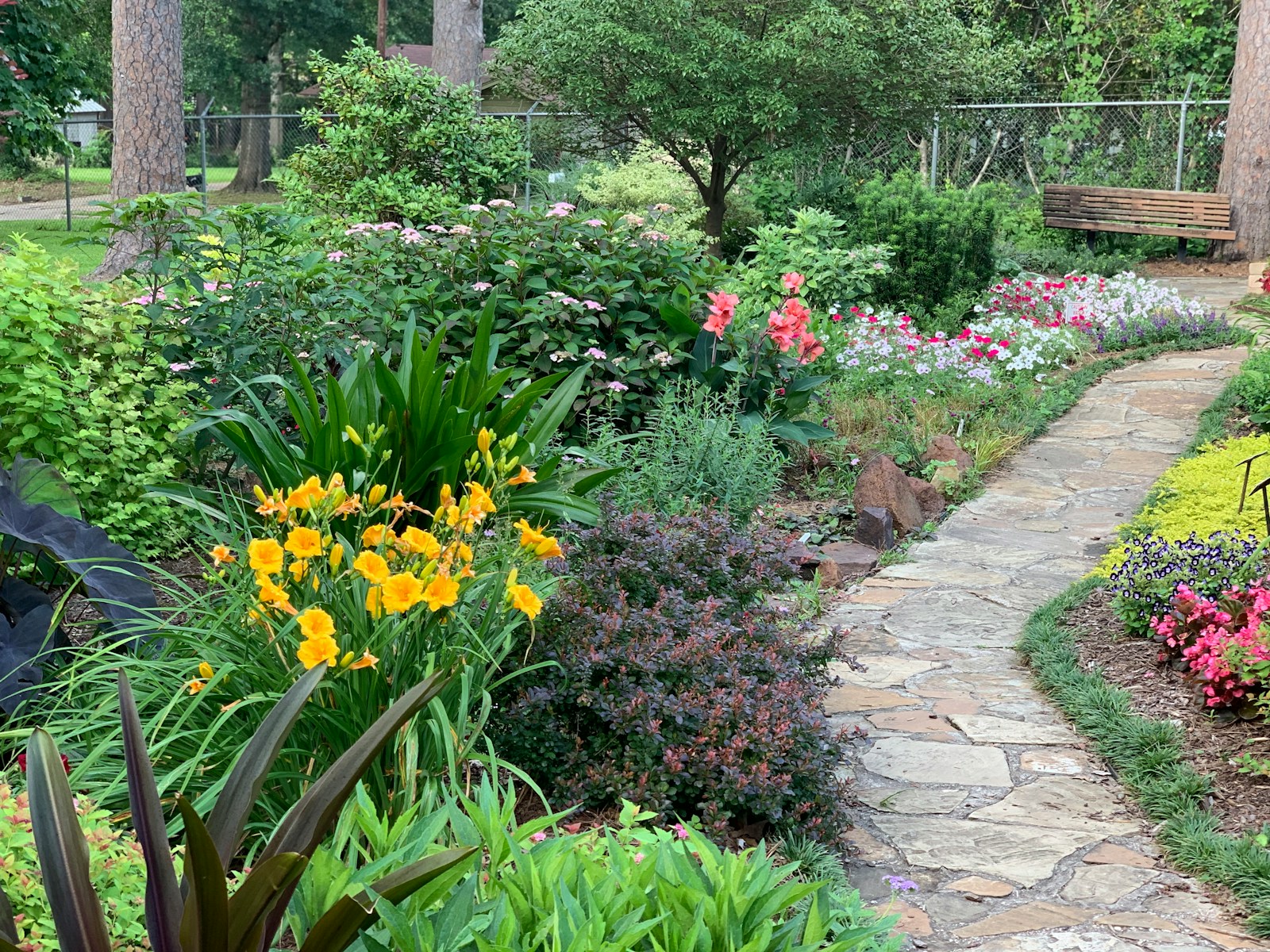
The conflict highlights a growing tension between eco-conscious homeowners who want to support pollinators and local wildlife through native plantings, and HOAs that prioritize conventional landscaping aesthetics. Similar disputes have erupted across the country as more residents attempt to create sustainable yards filled with wildflowers and native species.
The standoff raises questions about property rights, environmental responsibility, and the power HOAs wield over homeowners’ choices. While the woman maintains her garden serves crucial ecological purposes by providing habitat for bees and other pollinators, the association argues she violated community standards that all residents agreed to follow.
HOA Showdown: The Wildflower Yard Conflict
Homeowners associations frequently clash with residents over landscaping choices that deviate from traditional grass lawns. These conflicts intensify when eco-conscious homeowners prioritize native plants and pollinators over conventional aesthetics that HOAs typically enforce.
Why Wildflower Lawns Face HOA Pushback
Homeowners associations often view wildflower gardens as violations of their carefully crafted aesthetic standards. The natural, untamed appearance of native plants directly contradicts the manicured uniformity that many HOAs believe protects property values. New Hyde Park Mayor Christopher Devane exemplified this mindset when he called a resident’s native plant yard “hideous” and “overwhelming,” demonstrating how local officials slam homeowners with fines for unconventional front yards.
HOA boards frequently cite concerns about neighborhood consistency and perceived property value impacts. They argue that wildflower lawns appear unkempt or abandoned to potential buyers. Many homeowners associations maintain strict landscaping rules requiring short, uniform grass that must stay below specific height limits.
The tension escalates when HOA rules directly contradict environmental initiatives. Some municipalities actually encourage native plantings while local HOAs simultaneously prohibit them, creating confusing conflicts for residents caught between competing regulations.
Rules and Regulations: Understanding HOA Landscaping Rules
Most homeowners association bylaws contain detailed landscaping requirements that specify acceptable plant types, lawn heights, and maintenance schedules. These rules typically mandate traditional turf grass maintained at specific heights, often between 2-4 inches. Some HOAs even regulate flower bed sizes, mulch colors, and acceptable decorative elements.
Height restrictions represent one of the most common points of conflict. Zhang’s case in New Hyde Park resulted in permission to keep her native plants only as long as all plants stayed under 4 feet tall. Many associations enforce quarterly or monthly inspections to ensure compliance with these standards.
Common HOA landscaping restrictions include:
- Maximum grass and plant heights
- Prohibited plant species lists
- Required lawn maintenance schedules
- Restrictions on garden bed placement
- Limitations on hardscaping materials
However, homeowners can identify unenforceable HOA rules that may conflict with state laws or violate fair housing regulations. Some states have passed legislation protecting homeowners’ rights to install drought-resistant or native landscaping despite HOA objections.
Real-Life Cases: Homeowners Standing Up to Their HOAs
Real homeowners have challenged their associations over eco-friendly landscaping choices with varying results. Zhang faced a potential $2,000 fine from her village for replacing traditional grass with native plants that attracted butterflies, bees, and birds. She successfully negotiated to keep her rewilded yard despite the initial summons.
Another homeowner fought back against HOA complaints about lawn greenness by planting clover, turning the association’s demands into an opportunity for a more sustainable alternative. The clover provided year-round greenness while requiring less water and maintenance than traditional grass.
Some residents refuse HOA demands to remove thriving plants that boards incorrectly label as dead or non-compliant. These cases often involve native species that naturally look different from conventional landscaping during certain seasons.
The growing rewilding movement continues to create friction as more homeowners prioritize environmental benefits over aesthetic uniformity. Organizations like ReWild Long Island actively support residents facing HOA resistance, particularly in areas where lawn chemicals harm local ecosystems like the Great South Bay.
The Benefits and Impact of Native Wildflower Yards
Native wildflower yards create habitats for pollinators while requiring less water and maintenance than traditional turf grass. These wildlife-friendly plants support local ecosystems and adapt naturally to regional climate conditions.
Why Native Plantings Are Vital for Wildlife
Native flowers and plants provide essential food sources and shelter for local wildlife that have evolved alongside these species for thousands of years. When Virginia resident Melinda Soltys planted black-eyed Susans and milkweed in her yard, she created a haven for pollinators before her HOA told her to rip them out for violating weed restrictions.
Milkweed serves as a critical host plant for monarch butterflies, while other native flowers feed bees, hummingbirds, and beneficial insects. These pollinators face declining populations due to habitat loss from development and conventional landscaping. A grass lawn typically supports far fewer species than native plantings.
The ecological impact extends beyond individual yards. When neighborhoods embrace native landscaping, they create wildlife corridors that connect fragmented habitats and allow species to move safely through suburban areas.
From Turf Grass to Habitat: A Look at Native Landscaping
Traditional turf grass dominates American residential landscapes but offers minimal ecological value compared to native plantings. A Maryland couple sued their homeowner association after being ordered to replace their wildlife-friendly plants with turf grass, ultimately changing state law.
Native landscaping transforms sterile grass lawns into thriving ecosystems. These gardens feature regional wildflowers, grasses, and shrubs that bloom at different times throughout the growing season. The varied structure provides nesting sites, food sources, and protective cover that turf grass cannot match.
Many homeowners face resistance when replacing grass with native flowers. HOAs often ban or impede wildlife-friendly practices like native and pollinator plants despite their environmental benefits. The conflict reflects a cultural shift in how people define attractive yards.
Drought-Resistant and Low-Maintenance Alternatives to Grass
Native plants naturally adapt to local rainfall patterns and soil conditions, making them inherently drought-resistant once established. Xeriscaping incorporates these native species to create landscapes that thrive without supplemental irrigation or chemical treatments.
These drought-resistant plants develop deep root systems that access groundwater unavailable to shallow-rooted turf grass. They require no fertilizers since they evolved in native soils without amendments. Mowing becomes unnecessary, eliminating noise pollution and fossil fuel consumption from lawn equipment.
Maryland now requires HOAs to allow low-impact landscaping such as rain gardens, native plant gardens, and xeriscaping in subdivisions. The maintenance demands drop significantly after the first year of establishment, when occasional watering helps plants develop their root systems.
More from Willow and Hearth:
Leave a Reply