A woman returned home to discover her dog had chewed through the wooden window trim in what appeared to be a panic-filled episode while she was away. The damage left her facing an unexpected repair project and questions about what triggered her pet’s destructive behavior.
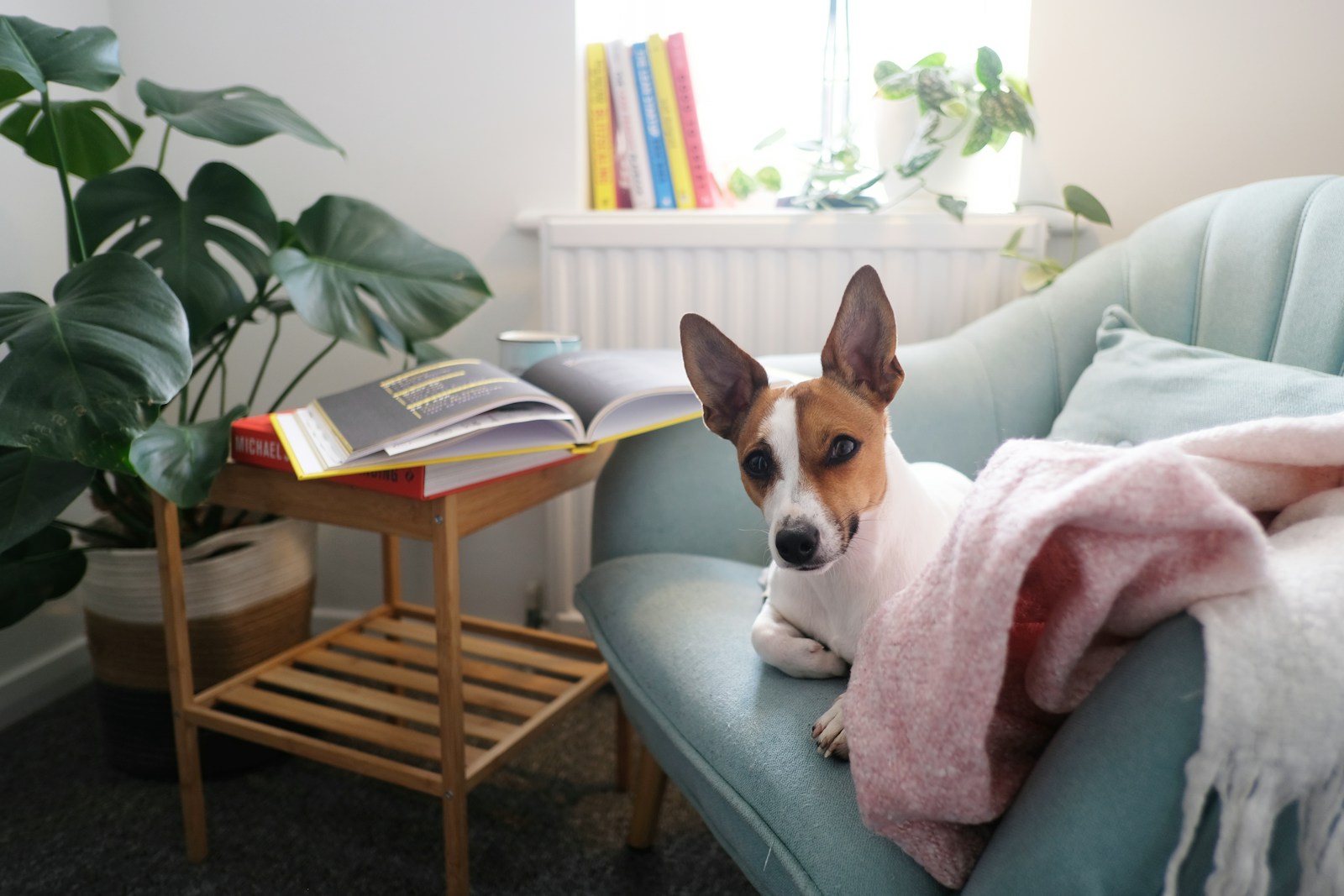
The incident joins a growing number of cases where dogs have caused significant damage to homes when experiencing separation anxiety or fear, from destroyed couch cushions to broken windows. In one recent viral case, a Labrador ran straight through a glass window moments after entering a new house, shattering it completely.
The woman is now working to repair the chewed trim while trying to understand what caused her dog’s distress. Dogs can panic for various reasons when left alone, including storms, loud noises, or anxiety about their owner’s departure.
Understanding Why Dogs Destroy Window Trim When Left Alone
When dogs chew through window trim, they’re typically experiencing intense emotional distress rather than deliberately misbehaving. The behavior stems from panic-driven responses that manifest physically as destructive actions directed at exit points like windows and doors.
What Triggers Separation Anxiety In Dogs
Separation anxiety in dogs develops from various underlying causes that create emotional distress when owners leave. Some dogs never learned to feel comfortable alone during their critical developmental periods as puppies. Others experienced traumatic events like being rehomed, losing a family member, or enduring long periods at shelters.
Major life changes often trigger sudden onset anxiety in previously calm dogs. Moving to a new home, changes in the owner’s work schedule, or the loss of another pet can destabilize a dog’s sense of security. Dogs who form hyper-attachments to their owners become particularly vulnerable to panic when separated.
Certain breeds show higher predispositions to separation issues due to their breeding for constant human companionship. Dogs rescued from difficult backgrounds frequently struggle with being left alone because they fear abandonment based on past experiences.
Common Signs Of Dog Separation Anxiety
Dogs with separation anxiety display specific behavioral patterns that distinguish their distress from simple boredom. Destructive behavior typically focuses on exit points like windows, doors, and door frames rather than random household items. The dog often begins showing distress within minutes of the owner’s departure.
Excessive vocalization including barking, howling, or whining occurs only when left alone and may continue for extended periods. Some dogs engage in repetitive pacing patterns or attempt to escape by scratching and chewing at barriers. House-trained dogs may urinate or defecate indoors despite normally having excellent bathroom habits.
Physical symptoms accompany the behavioral signs. Dogs may drool excessively, pant heavily, or exhibit trembling. Many refuse to eat treats or food when alone, though they eagerly consume the same items when their owner returns.
How Panic Leads To Destructive Behavior
The destructive chewing seen in anxious dogs isn’t vindictive behavior but a physiological panic response. When a dog experiences separation anxiety, their stress hormones surge dramatically, creating an overwhelming urge to escape and reunite with their owner. Windows represent visible exit routes, making the trim a prime target during frantic attempts to get out.
Dogs experiencing panic don’t register pain or consequences during these episodes. They may chew until their gums bleed or break teeth without stopping. The behavior intensifies if the dog can see or hear activity outside the window, heightening their desperation to escape confinement.
The destruction typically occurs within the first 20-30 minutes after the owner leaves, when anxiety peaks. Dogs aren’t acting out of spite or trying to punish their owners for leaving—they’re genuinely terrified and operating purely on survival instinct.
Quick Steps To Repair Damaged Wooden Trim And Prevent Future Incidents
The woman faces two main challenges: restoring the chewed window trim and addressing her dog’s anxiety to prevent this from happening again.
Immediate Actions To Fix Chewed Window Trim
She started by assessing how badly her dog damaged the trim. Small gouges and scratches can be repaired with wood filler, but anything deeper than half an inch typically requires replacement.
For the repair process, she needed to sand down the damaged area first to create a rough surface. Wood filler works for most interior damage, though she had to avoid wood putty since it doesn’t hold up as well. She applied the filler with an old credit card or spatula, smoothing it into the chewed sections.
After the filler dried completely, she sanded it flat and repainted to match the existing trim. If the damage was too extensive, replacing the trim entirely became the more practical option. She could pick up replacement molding at any hardware store and attach it with a nail gun or adhesive.
Dog-Proofing Your Home Against Further Damage
The woman realized she needed to make changes around her home to protect vulnerable areas. She applied bitter apple spray or deterrent gel to wooden trim and baseboards where her dog could reach. These products taste unpleasant and discourage chewing.
She also set up a designated safe space for her dog with a crate or pen that contained familiar items. Puzzle toys and chew toys kept the dog occupied during her absence. She left the radio or TV on to provide background noise that might ease her pet’s stress.
Installing a camera let her monitor her dog’s behavior when she was gone. This helped her identify specific triggers and times when the anxiety peaked.
Training And Calming Techniques For Anxious Dogs
Her dog’s destructive behavior pointed to separation anxiety in dogs, which required a gradual approach to treatment. She started practicing short departures, leaving for just five minutes at first and slowly extending the time. This helped her dog learn that she always comes back.
She avoided making a big deal out of arrivals and departures. Excited greetings and lengthy goodbyes actually reinforced her dog’s anxiety about her leaving.
Exercise before she left helped burn off nervous energy. A tired dog was less likely to panic and chew. She also consulted with her veterinarian about anti-anxiety medications or calming supplements that might help during the training process.
More from Willow and Hearth:
Leave a Reply