A homeowner recently found himself in an awkward position when a handyman company presented him with a tip screen suggesting gratuities ranging up to $600 on a $3,000 repair job. The unexpected request left him confused about whether tipping was expected or even appropriate for such a substantial home repair project.
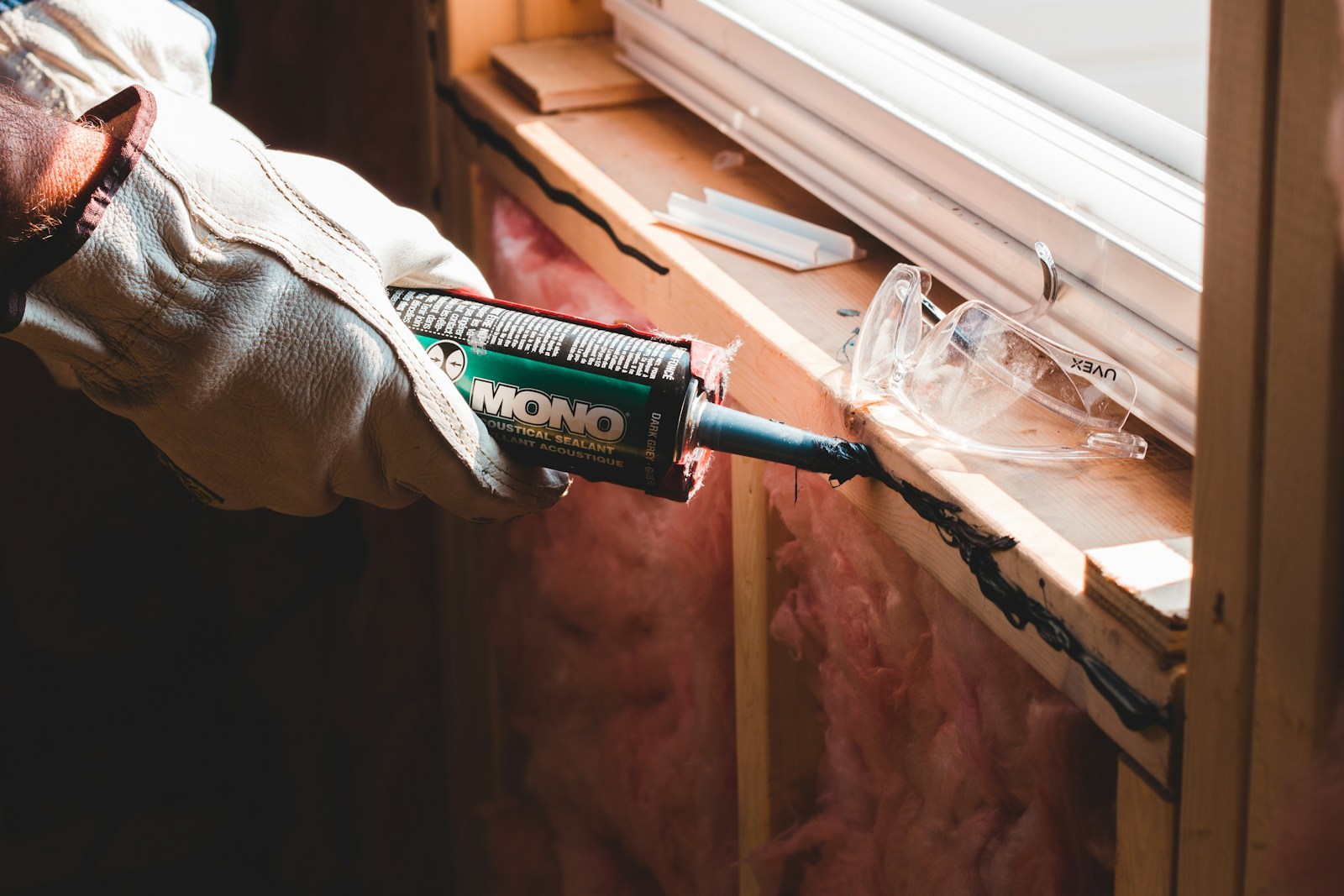
The situation highlights a growing trend of tip requests appearing in industries where gratuity wasn’t traditionally expected, leaving customers uncertain about proper etiquette and fair payment practices. Unlike restaurant dining or other service industries with established tipping norms, home repair services have historically operated on a straightforward payment-for-service model.
The homeowner’s dilemma raises questions about what constitutes reasonable expectations when hiring contractors and how the boundaries of service gratuity continue to shift. His experience reveals the tension between wanting to show appreciation for good work and feeling pressured by unexpected financial requests that significantly inflate the final cost of home repairs.
Breaking Down the Handyman Tip Situation
A $600 tip request on a $3,000 job raises questions about what’s standard practice in the handyman industry and where the line falls between appreciation and obligation.
Understanding the Unexpected Tip Request
The homeowner faced an unusual situation when the handyman company presented him with a tip request that reached 20% of the total bill. This wasn’t a subtle hint or a checkbox on a receipt. The company actively asked for a gratuity ranging up to $600.
Most tipping protocols for handyman services don’t support requests of this magnitude. Industry observers note that when handymen are employees rather than business owners, tips of $10 to $20 are common for standard jobs, with exceptional service sometimes warranting up to $50.
The request’s features included what appeared to be a suggested tipping scale, similar to what restaurants display on receipts. This approach to soliciting tips from customers represents a departure from traditional handyman business practices.
How Homeowners Typically Handle Contractor Payments
Most homeowners don’t tip handymen at all, and it’s not considered mandatory like restaurant service. When people do tip, common amounts include $20 or rounding up the bill for smaller tasks.
For larger projects, some homeowners calculate ten to fifteen percent of the total charge, though this practice is far from universal. The equivalent of one day’s pay has also been mentioned as an appropriate amount in certain situations.
The $3,000 repair job in question would typically fall into the category where tipping isn’t expected. If the homeowner felt compelled to show appreciation, a tip of $50 to $100 would have been considered generous by industry standards.
Legal and Ethical Considerations Around Tipping
Companies can legally request tips, but they cannot require them as part of the payment structure. The distinction matters because mandatory charges must be disclosed upfront as fees, not presented as optional gratuities.
The ethical questions center on power dynamics. When a company asks for a large tip after completing work, customers may feel pressured to comply even if they don’t want to. This differs from leaving a tip voluntarily based on service quality.
Business owners asking for tips on their own work raises additional concerns, as tipping the owner is typically frowned upon in most service industries.
What Should You Do If Faced With a Large Tip Request?
The homeowner had several options when confronted with this request. He could have declined entirely, offered a smaller amount he felt comfortable with, or paid the suggested tip under protest.
No legal obligation exists to tip any service provider in the United States. The homeowner’s confusion was understandable given the unusual nature and size of the request.
He might have asked whether the tip was mandatory or optional, requested clarification on company policy, or simply stated he doesn’t tip on jobs of this size. The company’s reaction to any of these responses would reveal whether they were making a genuine request for appreciation or attempting to inflate their bill through social pressure.
Protecting Yourself When Dealing With Contractors
Homeowners facing unexpected charges need to understand their rights and the steps they can take when contractors cross the line. Verifying credentials and understanding contractual obligations can prevent disputes before they start.
The Importance of Hiring a Licensed Contractor
A contractor license serves as the first line of defense against fraud and substandard work. Licensed contractors have met specific state requirements and carry insurance to protect homeowners from liability. When homeowners skip this verification step, they risk hiring individuals who may lack proper training or accountability.
The contractor licensing board in each state maintains public records of licensed professionals. Homeowners can search these databases to confirm a contractor’s status and check for complaints or disciplinary actions. This security measure takes only minutes but can save thousands of dollars in potential losses.
Unlicensed contractors often charge lower rates to attract customers, but they leave homeowners with limited recourse if problems arise. State laws regulate home construction and remodeling businesses to offer protection for homeowners dealing with scams or poor workmanship.
What to Check Before Signing Terms and Conditions
Written contracts protect both parties by establishing clear expectations and payment schedules. The terms and conditions should specify the scope of work, materials to be used, project timeline, and total cost. Any ambiguity in these documents can lead to disputes over additional charges.
Homeowners should watch for clauses that give contractors broad discretion to add fees or change pricing. The terms of use for payment should clearly state when money is due and what constitutes completion of work. Red flags include requests for large upfront payments or vague language about final costs.
Checking a contractor’s license and requesting proof of insurance helps confirm legitimacy before signing. Homeowners who feel pressured to sign immediately should step back and review the documents carefully.
Steps to Take if You Suspect Overcharging or Scamming
Documentation becomes critical when contractors add unexpected charges or request unusual payments like excessive tips. Homeowners should keep all receipts, contracts, emails, and text messages related to the work. These records establish what was originally agreed upon versus what the contractor now demands.
When overcharging occurs, homeowners can contact their state’s contractor licensing board to file a complaint. The board investigates violations and can impose penalties or suspend licenses. They also provide guidance on whether the charges violate state regulations.
High-pressure sales tactics and fly-by-night businesses often signal scam operations. Homeowners who refuse to pay questionable charges should communicate their concerns in writing and reference the original contract terms.
Using Small Claims Court and Licensing Boards
Small claims court offers an accessible option for homeowners seeking refunds or compensation for damages. Most states allow claims up to $10,000, though limits vary by jurisdiction. The process doesn’t require an attorney and involves filing a simple form with the court clerk.
Homeowners must provide the specific name and address of the defendant when filing in small claims court. If a contractor operates under a business name, checking the Secretary of State website determines whether to sue the individual or the company. Evidence like contracts, receipts, and photographs supports the homeowner’s case.
The contractor licensing board serves as another avenue for resolution. Boards can mediate disputes, order refunds, or revoke licenses for serious violations. Filing complaints with both the board and small claims court gives homeowners multiple paths to recover money or hold contractors accountable for improper billing practices.
More from Willow and Hearth:
Leave a Reply