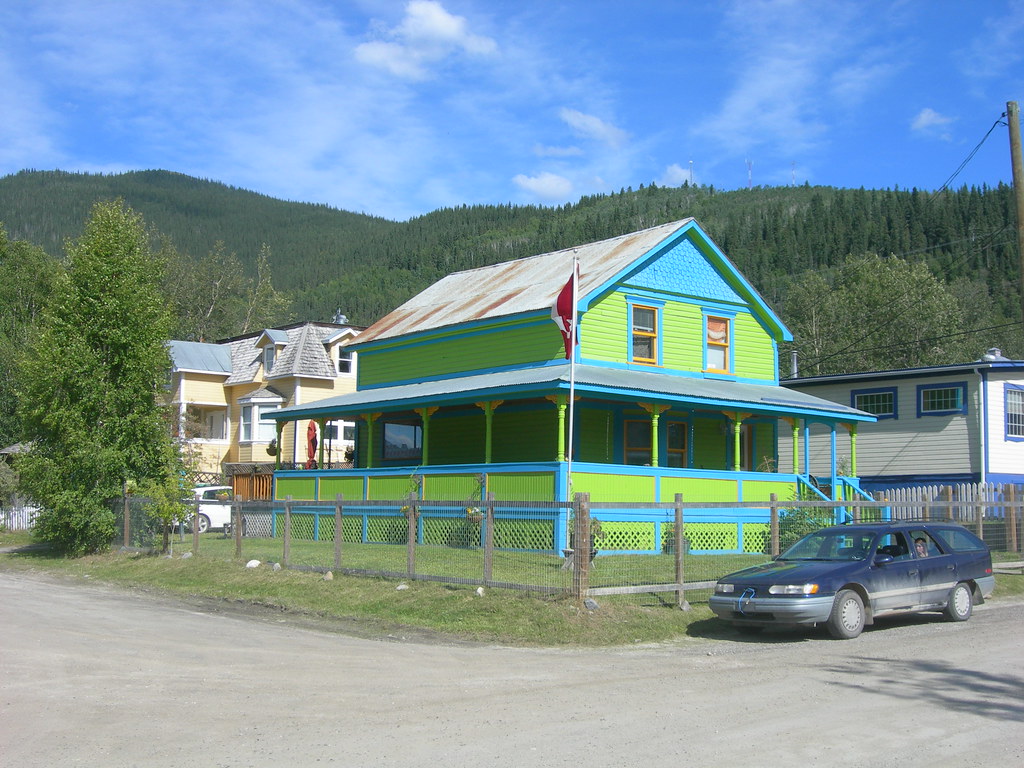
A quiet residential street erupted into chaos after one homeowner woke up to discover their neighbor had transformed a house into a blindingly bright neon green structure practically overnight. The dramatic color choice has divided the community, with some residents furious about potential impacts on their home values while others defend the homeowner’s right to paint their property any color they choose.
The incident has sparked heated debates about property rights, aesthetic standards, and whether bold exterior paint choices can actually tank neighborhood home prices. Similar disputes have played out across the country, from orange houses that stuck out for over a decade to homeowners who deliberately painted houses neon green in defiance of HOA rules.
What started as one person’s design decision has turned into a full-blown neighborhood conflict, with residents taking sides and concerns mounting about what this means for everyone’s biggest investment. The neon green house now stands as a flashpoint for deeper questions about community standards and individual freedom.
The Overnight Neon Green House Incident
A residential property transformed into a bright neon green structure seemingly without warning, sparking immediate controversy among surrounding homeowners who expressed concerns about aesthetics and financial impact.
Initial Reactions From Neighbors
The sight of a home suddenly coated in bright neon green paint caught residents completely off guard. Mark Spatny, who lived next door to a neon green house in La Crescenta, said he came home from work and saw it, hoping it was some sort of primer.
Several neighbors described feeling shocked by the transformation. The color choice stood in stark contrast to the muted, earthy tones typical of homes in the area. Some residents compared the appearance to fictional characters, noting the combination of neon green with purple trim.
The woman who painted her house, identified as 66-year-old Pamla Hoffman, simply stated she liked the color. When asked about the decision, she declined to provide additional comments about why she chose such a bold shade for her property at 3045 Markridge Road.
Escalation Into a Neighborhood Dispute
The painting incident quickly developed into a full-scale neighborhood dispute centered on property values and quality of life concerns. Mark Pearson, a resident on the street, stated the color was completely inconsistent with the neighborhood and expressed real concern about lowering property values.
More than a dozen neighbors organized a meeting to discuss strategies for convincing Hoffman to repaint. Several residents trying to sell their homes reported having no showings since the house received its new coat of paint. The group planned to draft a letter asking Hoffman to consider how her choice affected everyone else on the street.
Residents complained to the Crescenta Valley Town Council and local supervisor’s office, but officials indicated there was little they could do. Los Angeles County had few guidelines for residential buildings in unincorporated areas, leaving neighbors without regulatory recourse.
Property Values, Community Tension, and the Bigger Picture
A single overnight paint job has fractured what was once a quiet street into opposing camps. Some residents claim the neon green house threatens their investments, while others defend the homeowner’s right to choose their own color scheme.
Arguments Over Property Rights and Self-Expression
The conflict has split neighbors into two distinct groups. Supporters of the neon green homeowner argue that property ownership means having the freedom to paint a house any color without seeking approval from neighbors. They point out that in neighborhoods without HOA restrictions, homeowners should be able to express themselves through their exterior design choices.
Critics counter that such dramatic color choices show disregard for the community. They argue that even without formal rules, neighbors have an unspoken obligation to maintain a certain standard that preserves the street’s character. Some HOA neighborhoods specifically prevent situations where board members paint houses purple and go unpunished, recognizing that such decisions could be detrimental to property values.
The debate has moved beyond paint colors to questions about individual rights versus collective interests. Multiple residents have stopped speaking to each other entirely.
Impact on Neighborhood Cohesion
The once-friendly street now features residents who cross to the opposite sidewalk to avoid confrontation. Weekly gatherings and casual front-yard conversations have disappeared since the painting incident.
If homes around the neon green property are well-maintained, it creates tension because buyers might perceive a lower standard for the area regardless of how much care other homeowners have invested. Several families have reportedly listed their homes for sale, citing the ongoing neighborhood dispute as their primary reason for leaving.
The division has affected more than just property aesthetics. School carpool arrangements have fallen apart, and neighbors who previously helped each other with yard work now refuse to make eye contact.
Potential Legal and HOA Involvement
Without an HOA, the neighbors opposing the neon green paint have limited legal options. Unresolved disputes can create tension within communities and potentially impact property values negatively, especially when conflicts escalate into prolonged feuds.
Some residents have contacted lawyers to explore whether any local ordinances might restrict the paint color. Others are considering forming an HOA specifically to prevent similar situations in the future. The painted homeowner has reportedly refused all requests to repaint, insisting they broke no laws.
A few neighbors have started a petition, though its legal standing remains unclear. The local government has confirmed that no permits or approvals are required for residential paint colors in this particular municipality.
Leave a Reply