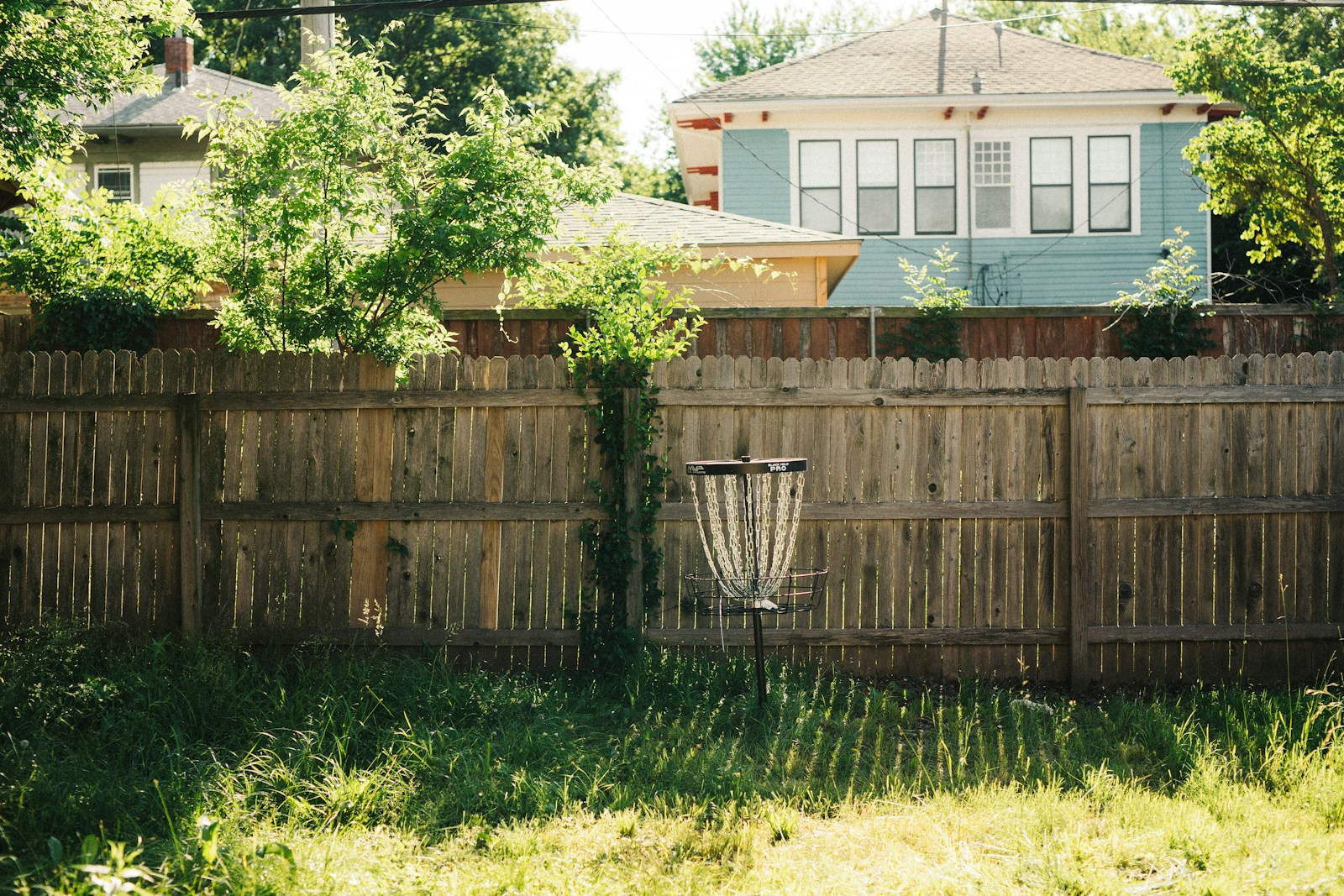
A homeowner’s routine decision to replace his aging fence turned into an unexpected windfall when his neighbor demanded a property survey. The neighbor insisted on the $650 survey before any work could proceed, convinced the boundary line would prove her right. The survey revealed the existing fence wasn’t just slightly misplaced—it was nearly 10 feet onto the homeowner’s property, giving him an additional 800 square feet of land he didn’t know he owned.
The dispute began when a contractor started removing old fence sections between the two properties. The neighbor ran outside screaming that the work couldn’t continue, claiming improper notice and demanding the survey to settle the matter once and for all. The homeowner had been willing to let things stay as they were, even offering to keep the fence in its original location to avoid conflict.
What happened next shows how property line disputes over fences can backfire spectacularly on the person who pushes hardest. The neighbor who demanded proof ended up spending the following week dismantling her expensive raised flower beds and brick retaining wall, moving everything back to her actual property line.
What the Survey Revealed and Why It Matters
A professional property survey can turn neighborhood assumptions upside down, especially when it shows structures sitting entirely on the wrong side of the boundary line. The measurements don’t lie, and what seemed like an established fence line suddenly becomes a legal problem that demands resolution.
How Property Surveys Determine Boundary Lines
Licensed surveyors use precise instruments and legal records to establish exact property boundaries. They reference deed descriptions, previous surveys, and physical markers like iron pins or concrete monuments that were set when the land was originally divided.
The surveyor measures distances and angles from these known points to create an accurate map of where one property ends and another begins. Modern equipment like GPS and total stations can pinpoint locations within fractions of an inch, eliminating guesswork about property lines.
In cases where neighbors dispute fence placement, a professional survey provides the definitive answer. The surveyor often marks the actual boundary with stakes or spray paint, making it visually clear where the legal line sits.
Understanding the Survey Results in Boundary Disputes
When the homeowner received his survey results, they showed the neighbor’s fence wasn’t just slightly off. The entire structure sat on his property, not straddling the boundary or encroaching by inches.
This type of discovery happens more often than people expect. Property disputes over fences frequently arise when homeowners rely on existing structures rather than official surveys to determine boundaries.
The survey provided documented proof with measurements, coordinates, and a clear diagram. This wasn’t a matter of opinion or rough estimates. The property boundary was legally established, and the encroaching fence violated it completely.
Immediate Implications of an Encroaching Fence
The homeowner now had leverage to demand the fence be moved or removed entirely. An encroaching fence isn’t just a minor inconvenience—it’s unauthorized use of private property.
If the fence remained in place long enough, the neighbor might eventually claim adverse possession rights in some states. Adverse possession claims can transfer property ownership if someone openly uses land for a specific number of years without the owner’s permission.
The homeowner could negotiate for compensation, demand removal, or potentially sell that strip of land to resolve the issue. Some homeowners have successfully negotiated payment for land their neighbors built on without permission.
How to Handle a Neighbor’s Fence on Your Property
When a homeowner discovers their neighbor’s fence sitting on their land, they face a property encroachment that requires careful documentation and strategic communication. The situation involves understanding real estate law, exploring settlement options with adjoining landowners, and knowing when adverse possession might threaten property rights.
Starting the Conversation With Your Neighbor
Most homeowners facing a boundary dispute feel tempted to immediately confront their neighbor, but real estate attorneys typically recommend a measured approach. The neighbor who built the fence might have no idea it crosses the property line, especially if they relied on old markers or hired contractors who made errors.
The affected homeowner should first obtain a professional land survey to confirm the encroachment before initiating any conversation. This documentation proves essential because property lines aren’t always where people assume they are, and approaching a neighbor without solid evidence can damage relationships unnecessarily.
Once the survey confirms the problem, the homeowner can approach their neighbor with specific facts rather than accusations. Many fence disputes between neighbors can be resolved when both parties see clear survey documentation and discuss the issue calmly.
Legal Options: Real Estate Attorneys, Deeds, and Rights
When conversations fail, the property owner needs to understand their legal remedies under real estate law. A real estate attorney can review the property deed and survey to determine the exact nature of the encroachment and available options.
The homeowner has the right to demand removal of structures built on their land. Real estate lawyers often send a formal letter to the encroaching neighbor outlining the violation and requesting corrective action within a specific timeframe.
If the neighbor refuses, the property owner can file for an injunction requiring fence removal. Courts in California and other states recognize that property owners facing fence encroachment have clear rights to protect their land boundaries.
A real estate attorney can also pursue monetary damages if the encroachment reduced property value or caused other harm. The property deed serves as primary evidence of ownership boundaries in these disputes.
Resolving Property Encroachment Without Going to Court
Litigation costs both adjoining landowners significant time and money, so many seek alternative resolutions. Some neighbors agree to relocate the fence at the encroaching party’s expense, while others negotiate boundary adjustments through formal easements.
The homeowners might establish a boundary by agreement, where both parties legally acknowledge a fence line as the official property boundary even if it differs slightly from the deed description. This requires written documentation and often gets recorded with the property deed.
Mediation offers another path where a neutral third party helps the adjoining landowners reach a compromise. This process typically costs less than hiring a real estate lawyer for full litigation and preserves neighborly relations better than court battles.
Adverse Possession and Long-Term Encroachments
Property owners who delay addressing an encroachment risk losing land through adverse possession laws. This legal doctrine allows someone to claim ownership of land they’ve used openly and continuously for a specified period.
The requirements for adverse possession claims vary by state but typically demand open, notorious, continuous, and hostile use for seven to twenty years. A neighbor who built a fence and maintained the enclosed area might eventually claim legal ownership of that strip of land.
The homeowner whose property faces encroachment should act quickly to preserve their property rights. Even if they don’t want immediate fence removal, sending a formal letter acknowledging the encroachment and denying permission for its continuation can prevent adverse possession claims.
Courts generally require the adverse possessor to prove they met all statutory requirements, which remains difficult when the property owner has documented objections. Real estate law protects owners who actively defend their boundaries, even if they allow temporary encroachments while negotiating solutions.
Leave a Reply