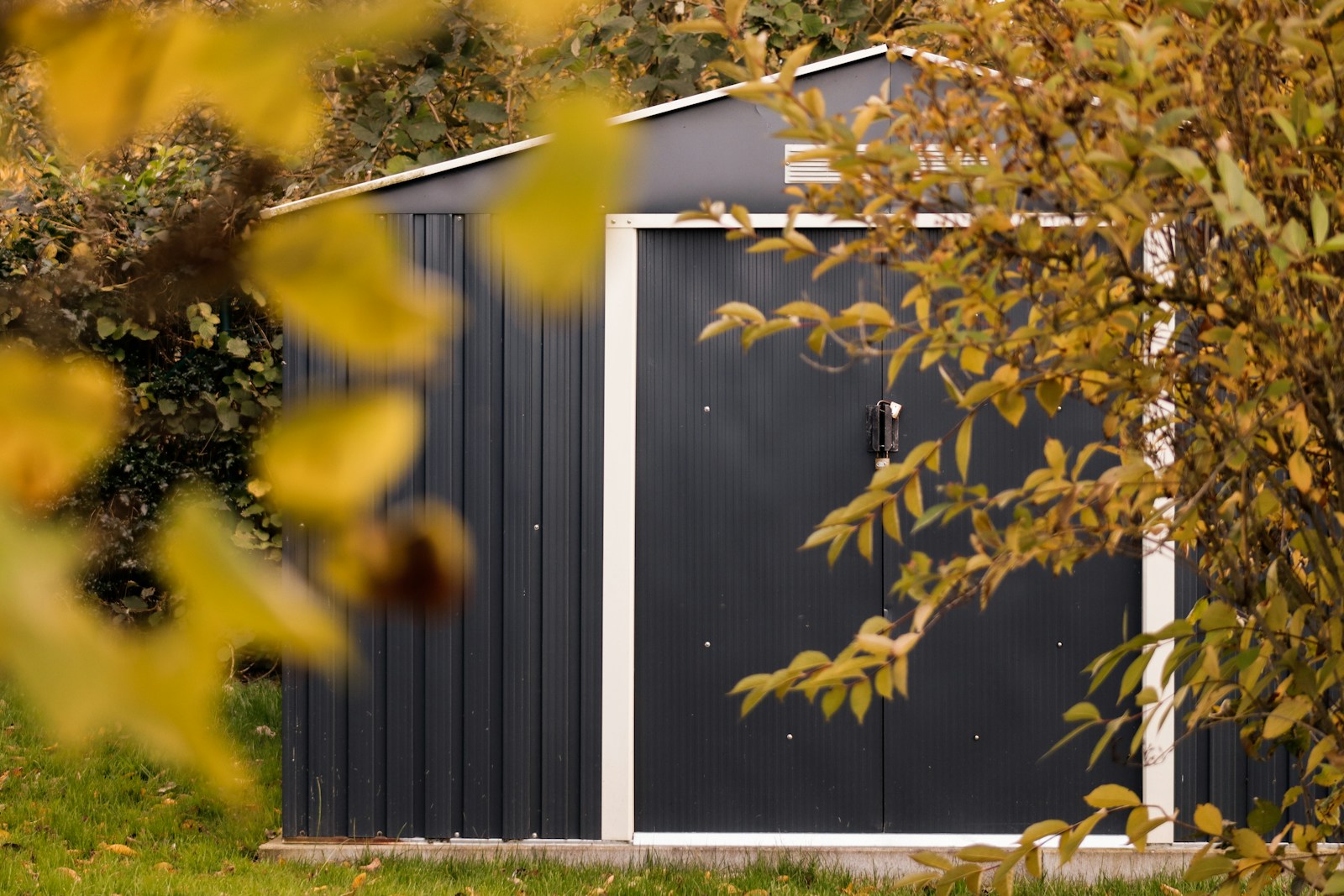
A property dispute has erupted between two neighboring families after one homeowner discovered his neighbor constructed a shed directly on their shared property line. What started as a simple backyard improvement project has escalated into threats of legal action, with both sides now discussing surveys, attorneys, and potential court proceedings.
When structures are built on or near property boundaries, homeowners risk legal disputes over property encroachment that can lead to expensive litigation and damaged neighbor relationships. The situation has left one homeowner wondering whether he has any recourse and what steps he should take to protect his property rights.
The conflict highlights how quickly neighborly relations can deteriorate when boundary lines become contested. With both families digging in their heels and threatening to escalate the matter, this dispute demonstrates the real consequences homeowners face over fence lines and shed placement that aren’t properly researched before construction begins.
Navigating a Shed Built on the Property Line
Property disputes over structures like sheds often hinge on determining exact boundary locations and understanding what constitutes encroachment. Homeowners facing this situation need to gather documentation and understand their municipality’s rules before tensions escalate further.
How to Confirm Property Boundaries
The most reliable way to determine where property lines actually fall is through a professional land survey conducted by a licensed surveyor. These experts use specialized equipment and reference historical records to establish precise boundaries that hold up legally.
Many homeowners believe they can locate their property deed and determine boundaries themselves, but deeds typically contain legal descriptions that require professional interpretation. A survey map provides a visual representation showing exactly where structures sit in relation to the actual boundary.
Survey pins sometimes exist from previous surveys, buried in the ground at corner points. Finding these markers can offer preliminary information, though they may have shifted over time or been placed incorrectly initially. A new survey remains the gold standard for settling disputes.
The cost of hiring a surveyor typically ranges from $400 to $1,000 depending on property size and complexity. Both neighbors can split this expense if they agree to share results, though each party often commissions their own survey when trust has broken down.
Communicating With Your Neighbor
Initial conversations about potential property line encroachment often determine whether disputes escalate or resolve peacefully. The neighbor who built the shed may genuinely be unaware their structure crosses the boundary.
Written communication creates documentation if matters progress legally. A letter referencing specific measurements and requesting the structure be moved establishes a paper trail showing the property owner made reasonable attempts at resolution.
Some neighbors refuse to acknowledge the problem or delay action indefinitely. When a neighbor claims they’ll address a minor encroachment “after winter” or another future date, property owners face decisions about whether to accept promises or pursue formal action.
Role of Local Building Department
Municipal building departments maintain records of permits issued for structures including sheds. Checking whether the neighbor obtained proper permits can reveal if officials reviewed and approved the placement or if the shed was built without authorization.
Most jurisdictions require structures to sit a minimum distance from property lines, typically between three and ten feet depending on local zoning ordinances. The local building department enforces these setback requirements and can issue violations for non-compliant structures.
Building inspectors sometimes get involved in neighbor disputes over shed placement when violations are reported. They can order structures removed or relocated if they violate setback rules, regardless of whether the shed sits entirely on the builder’s property or crosses the line.
Legal Options and Protecting Your Property Rights
Property owners facing boundary disputes have several legal pathways available, from hiring surveyors to establish exact lines to pursuing court action when negotiations fail. The risk of losing land through adverse possession makes quick action necessary rather than optional.
When to Contact a Real Estate Attorney
Property owners should reach out to a real estate attorney as soon as informal discussions with the neighbor break down. An attorney can review deeds and existing surveys to determine whether the shed actually crosses the property line. They can also draft formal cease-and-desist letters that carry more weight than personal requests.
Legal counsel becomes particularly important when neighbors dispute property boundaries and refuse to acknowledge encroachment. Attorneys familiar with local property laws can explain what remedies courts typically grant in these situations. They can also negotiate easement agreements if the homeowner decides to allow the structure to remain in exchange for compensation.
The cost of legal representation often seems high until homeowners realize the value of the land at stake. Most real estate attorneys offer initial consultations to assess the strength of a case before committing to full representation.
Understanding Adverse Possession Risks
The doctrine of adverse possession allows someone to gain legal title to another person’s land through continuous, open, exclusive, and notorious use over a specific time period. Each state sets its own timeframe, typically ranging from five to twenty years. Allowing structures to remain on your property can eventually transfer ownership of that portion to the encroaching neighbor.
This legal principle explains why letting the shed situation go unaddressed poses serious risks. Even if the homeowner doesn’t mind the shed now, years of inaction could permanently alter property rights. The neighbor might eventually claim legal ownership of not just the land under the shed but also access paths leading to it.
Documentation becomes critical evidence that the use wasn’t truly “adverse” if the property owner gave permission or objected to the encroachment.
Taking Action: Surveys, Lawyers, and Going to Court
Professional land surveys provide the foundation for any property dispute resolution. Licensed surveyors use deeds, plat maps, and physical markers to establish precise boundary lines. The survey results serve as evidence if the case proceeds to court.
When settlement negotiations fail, property owners can file for injunctive relief asking courts to order removal of encroaching structures. Courts can also hear quiet title actions when parties disagree about where the actual boundary sits. These lawsuits ask judges to legally determine the correct property line.
The litigation process typically includes discovery, where both sides exchange documents and survey evidence. Judges consider survey accuracy, deed descriptions, and sometimes historical use patterns when making boundary determinations.
Resolving Disputes and Future Prevention
Many property line conflicts end through negotiated settlements rather than court judgments. Neighbors might agree the encroaching party will remove the shed within a set timeframe. Others establish formal easements allowing the structure to remain while acknowledging the correct boundary.
Some homeowners accept monetary compensation for granting permanent easements. These agreements get recorded with the property deed so future buyers understand the arrangement. Time-limited easements give neighbors a grace period to use their structure before requiring removal.
Property encroachment disputes often damage neighborly relationships regardless of the outcome. Clear documentation from the start, including dated photographs and written communications, protects both parties’ interests. Regular property surveys every few years can catch boundary issues before construction begins.
Leave a Reply