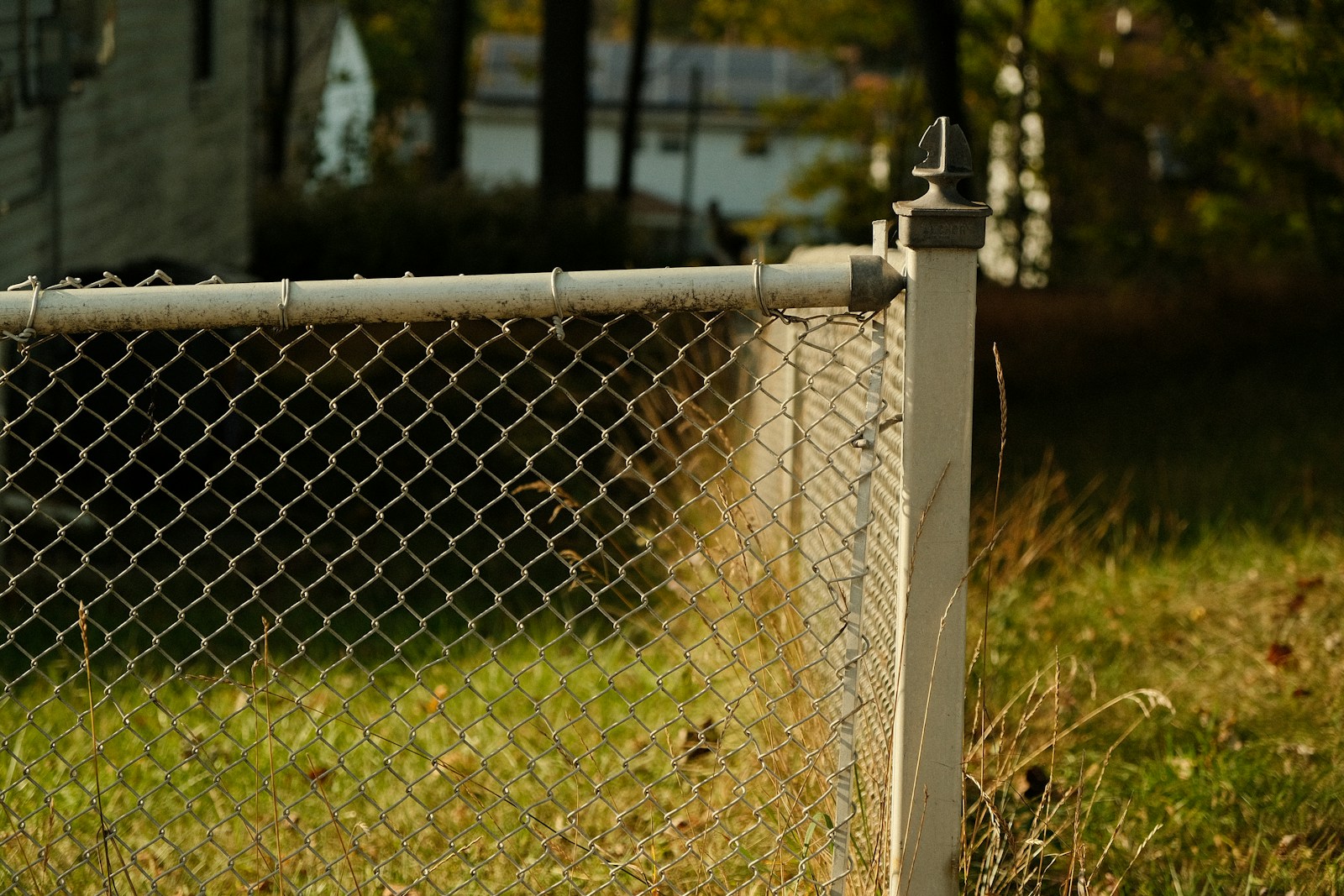
A homeowner returned from vacation to discover his neighbor had allegedly moved their shared fence three feet into his property, sparking a heated dispute between the two families. The situation has left the homeowner scrambling to figure out what happened to his land while he was away and how to reclaim the strip of yard that now sits on the wrong side of the fence.
When a neighbor moves a fence onto someone else’s property without permission, it can create both immediate access problems and long-term legal complications, including potential adverse possession claims if the encroachment goes unchallenged for years. The conflict has escalated beyond a simple misunderstanding, with both families now locked in a battle over where the actual property line sits and who has the right to that contested three-foot strip of land.
What started as a relaxing vacation has turned into a property nightmare for this homeowner, who now faces difficult decisions about how to handle the situation without destroying his relationship with his neighbor or losing valuable square footage from his yard. The case highlights how quickly boundary fence situations can spiral into serious legal disputes when property lines are crossed.
Fence Dispute Unfolds: What Happened When the Homeowner Returned
The homeowner came back from vacation to find his neighbor had repositioned the boundary fence, claiming an additional three feet of land that wasn’t theirs. The discovery sparked immediate tension between the two families as they struggled to determine the actual property line and find common ground.
How the Property Line Shift Went Unnoticed
The homeowner had been away for two weeks when his neighbor decided to take down the old fence and install a new one. The timing wasn’t coincidental. The neighbor worked quickly while the property was empty, removing the existing boundary fence and erecting a replacement that encroached three feet onto the homeowner’s land.
When the homeowner first pulled into his driveway, he didn’t immediately notice the change. The new fence looked similar to the old one in style and color. It wasn’t until he walked into his backyard the next day that something felt off about the dimensions of his yard.
He grabbed a tape measure and started checking distances from his house to the fence line. The measurements didn’t match what he remembered. His suspicions were confirmed when he found the old fence post holes on what was now his neighbor’s side of the new fence.
Immediate Reactions From Both Families
The homeowner confronted his neighbor that same afternoon, asking why the fence had been moved. The neighbor claimed the original fence was always in the wrong spot and that he was simply correcting a property line dispute that had existed for years.
The homeowner’s family was shocked by the neighbor’s boldness. His wife couldn’t believe someone would take advantage of their absence to grab extra land. Their teenage son had noticed his basketball court seemed smaller but hadn’t said anything until his parents brought it up.
The neighbor’s family stood by their position. They insisted they had done their research and were confident the new fence reflected the true boundary line. The neighbor’s wife mentioned they had even checked old property records at the county office before proceeding with the installation.
Initial Attempts at Communication and Resolution
The homeowner tried to keep things civil at first. He suggested they both look at their property deeds together to settle the boundary dispute without involving lawyers. The neighbor agreed to meet but showed up with documents that supposedly supported his claim to the disputed three feet.
Neither family could agree on what the paperwork actually showed. The legal descriptions used terms like “metes and bounds” that neither homeowner fully understood. The homeowner proposed they split the cost of a professional survey to establish the correct property lines once and for all.
The neighbor refused, saying he had already spent enough money on the new fence. He told the homeowner that if anyone wanted a survey done, they could pay for it themselves. This is where neighbor fence disputes typically escalate from civil disagreements to potential legal battles.
Navigating Legal Options and Resolving the Boundary Battle
When a fence suddenly shifts three feet onto someone’s property, the homeowner faces serious decisions about property boundaries and legal remedies. Professional surveys become essential evidence, while concepts like adverse possession and quiet title actions determine who legally controls the disputed land.
Getting a Property Survey and Reviewing Boundary Evidence
The homeowner needed concrete proof of where his property line actually sat. Professional property surveys provide the most reliable documentation in boundary disputes, showing exact measurements and markers that define legal property boundaries.
A licensed surveyor would examine the original deed descriptions, municipal records, and any physical markers on both properties. The survey results would reveal whether the neighbor’s fence truly encroached three feet into his yard or if the boundary had been unclear all along.
He gathered his property deed, tax records, and any previous surveys from when he purchased the home. These documents formed the foundation of his case. Without this evidence, the dispute remained a matter of competing claims rather than documented fact.
The neighbor likely had their own interpretation of where the property boundary fell, making objective third-party verification critical to resolving the conflict.
Adverse Possession and Quiet Title: Legal Concepts Explained
The timing of the fence move mattered legally. Adverse possession laws require someone to openly use another’s land for a specific period before claiming ownership rights. Since the neighbor moved the fence while he was on vacation, this didn’t qualify as open and continuous use.
A quiet title action could settle the matter in court. This legal proceeding asks a judge to officially declare who owns the disputed strip of land. The homeowner would file the action to remove any cloud on his property rights and establish clear boundaries.
Property law in his state would determine how long someone needed to occupy land before adverse possession applied. Most states require between 5 to 20 years of continuous, hostile, and open use. The neighbor’s recent fence move fell far short of these requirements.
Involving Real Estate Attorneys and Managing Legal Fees
Hiring a property attorney became necessary once negotiations with the neighbor broke down. Real estate attorneys specializing in boundary disputes typically charge between $250 to $500 per hour, though some offer flat fees for straightforward cases.
The lawyer would review the survey results, examine both property deeds, and draft formal demands for the neighbor to move the fence back. If the neighbor refused, the attorney could file a complaint seeking injunctive relief and potentially damages.
Legal fees added up quickly in property disputes. The homeowner had to weigh the cost of litigation against the value of the three-foot strip and the principle of protecting his property rights. Many attorneys offer initial consultations to assess the case strength before committing to full representation.
Some cases settle through attorney negotiations without reaching court, saving both families the expense and stress of a trial.
Leave a Reply