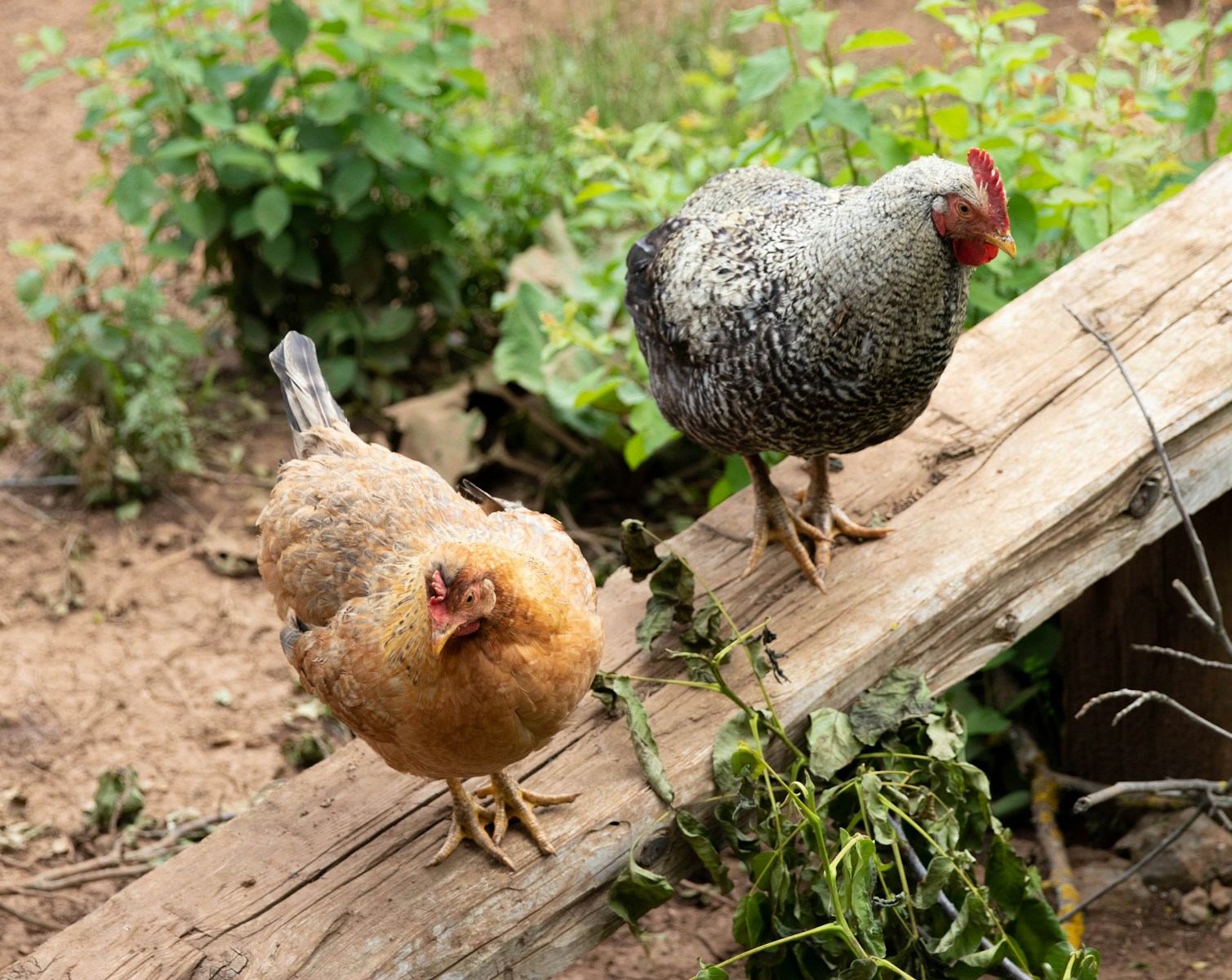
A woman is dealing with an ongoing nightmare as her neighbor’s chickens repeatedly invade her garden and destroy the plants she’s spent months cultivating. The free-roaming birds scratch up soil, peck at vegetables, and leave droppings throughout her carefully tended yard, undoing her hard work in minutes.
When neighbor’s chickens wander onto your property, they can cause significant damage to gardens through scratching, pecking at plants, and digging up soil, while also creating sanitation concerns with their droppings. Chickens wandering into yards can lead to property damage, noise complaints, and conflicts between neighbors.
This gardener’s frustration reflects a growing issue in residential areas where backyard chicken keeping has become more popular. She’s tried talking to her neighbor about the problem, but the chickens continue to treat her garden like their personal buffet, leaving her to figure out what she can actually do about the situation.
How Chickens Wandering Into the Garden Cause Trouble
Chickens crossing property lines create multiple problems for homeowners, from destroyed landscaping to ongoing noise disturbances and potential legal complications with neighbors.
Property Damage and Garden Destruction
Backyard chickens naturally scratch and peck at the ground as part of their foraging behavior. This instinct leads to significant damage when they enter someone else’s garden. They tear up lawns, dig holes in flower beds, and uproot newly planted seedlings within minutes.
Vegetable gardens suffer particularly severe destruction. Chickens eat tomatoes, lettuce, beans, and other crops that take months to grow. They scratch through mulch and expose plant roots, causing additional harm beyond what they consume.
The birds also damage landscaping through their scratching behavior, destroying carefully maintained yards. Their droppings accumulate on patios, walkways, and outdoor furniture. Garden owners watch their hard work disappear as chickens systematically destroy areas they’ve spent considerable time and money developing.
Noise and Daily Disruptions
Chickens create noise that disrupts daily life for nearby residents. Hens cluck throughout the day, particularly when laying eggs or alerting other birds to food sources. Roosters crow repeatedly, often starting in early morning hours before most people wake.
The constant activity of multiple chickens generates persistent background noise. They squawk when startled, argue over food, or simply communicate with each other. These sounds carry easily between properties, especially in neighborhoods with houses close together.
Legal and Neighborhood Issues
Local zoning laws regulate chicken ownership in residential areas, with many communities setting specific rules about coop locations, flock sizes, and containment requirements. When chickens repeatedly enter neighboring properties, owners may violate these regulations.
Property owners dealing with wandering chickens face limited options. They cannot legally trap or remove someone else’s chickens without permission. The situation requires discussing the problem with the neighbor to find a solution together.
If direct conversation fails, residents may contact animal control or code enforcement agencies. These conflicts strain relationships between neighbors and create ongoing tension in the community.
Best Ways to Stop Neighbor’s Chickens from Ruining Your Garden
When a neighbor’s flock keeps trampling through carefully tended garden beds, there are practical steps to take that range from having a direct conversation to installing deterrents that discourage chickens from treating the yard like their personal playground.
Friendly Communication with Your Neighbor
The first step involves knocking on the neighbor’s door and explaining the damage their chickens are causing. Many chicken owners don’t realize their birds are wandering beyond their property or causing problems elsewhere.
She can bring photos of the destroyed plants to show the extent of the issue. The conversation might reveal that the neighbor’s chicken coop or chicken run has a broken fence that needs repair. Most reasonable people will work to fix the problem once they understand it exists.
If the neighbor seems receptive, they might discuss solutions together. The chicken owner could reinforce their enclosure, trim the birds’ wings to prevent them from flying over barriers, or adjust their free-ranging schedule. Discussing property protection between neighbors before issues escalate helps maintain good relationships while solving the problem.
Setting Up Physical Barriers
When conversations don’t resolve the issue, physical barriers become necessary. Installing a fence around the garden perimeter provides the most reliable protection against wandering chickens.
A fence at least four feet tall works for most breeds, though some chickens can fly higher. Chicken wire attached to posts creates an affordable barrier that keeps birds out while allowing visibility. For smaller garden sections, she can protect specific beds with hardware cloth or wire mesh.
Raised garden beds offer another defensive option since chickens struggle to jump onto elevated surfaces. The height discourages them from scratching through soil and pecking at plants. Some gardeners combine multiple barriers by surrounding raised beds with low fencing for extra protection.
Using Smart Deterrents and Repellents
Motion-activated sprinklers startle chickens with unexpected water bursts when they enter the garden. The surprise teaches them to avoid the area without causing harm. These devices work automatically and don’t require constant monitoring.
Visual deterrents like predator decoys can make chickens think twice about entering. Fake owls or hawks placed around the garden trigger their natural fear response. Moving the decoys every few days prevents the birds from getting used to them.
Chickens dislike certain scents that humans find pleasant. Planting herbs like lavender, rosemary, and mint around garden edges creates a natural barrier. Spraying citrus juice or vinegar around the garden adds another scent layer that chickens avoid. If these methods fail and the neighbor refuses to act, contacting animal control becomes the next option for addressing loose livestock.
Leave a Reply