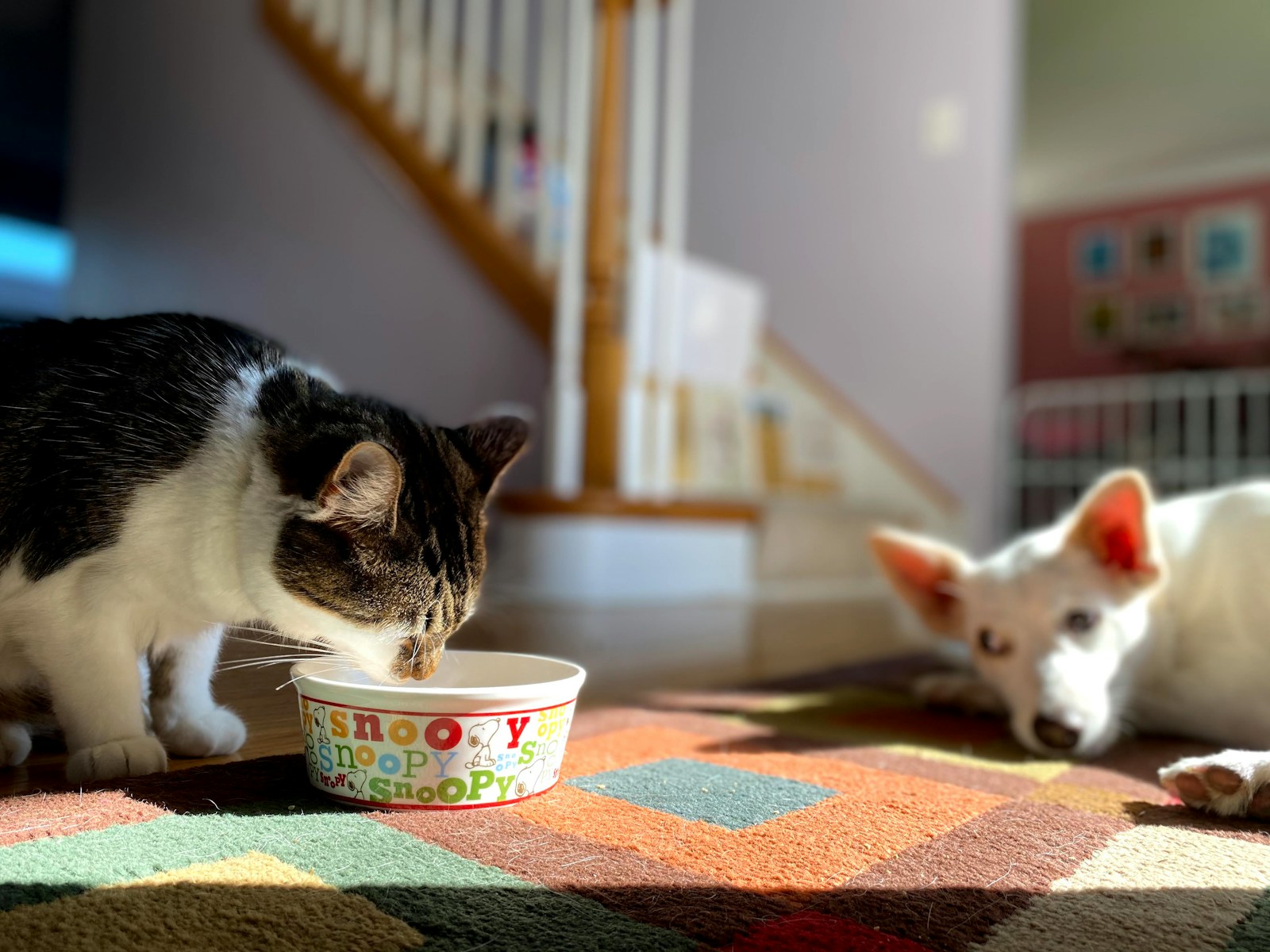
Most homeowners expect the occasional wandering pet in the neighborhood. But one person says their neighbor’s cat has taken things to a whole new level—by repeatedly walking straight into their house.
And when they asked the neighbor to do something about it, the response only made things worse.

The Mystery of the Disappearing Cat Food
The homeowner explained that they installed a doggy door for their small dog so it can come and go easily.
About a month ago, they started noticing something strange: their cat’s food was disappearing much faster than usual.
At first it didn’t make sense. But after setting up a camera to see what was happening, the culprit became obvious.
Their neighbor’s outdoor cat, named Whiskers, was casually walking through the doggy door, eating the food, and leaving.
An Uninvited Guest… Multiple Times a Day
According to the homeowner, this isn’t an occasional visit.
Whiskers apparently enters the house multiple times a day and behaves like it belongs there.
The situation has also stressed out the homeowner’s own cat, who is now afraid to eat unless someone is standing nearby to watch.
So they decided to speak to the neighbor.
“Cats Do What They Want”
The homeowner says the neighbor, Steve, owns Whiskers and allows the cat to roam freely around the neighborhood.
When told that the cat was entering the house and eating the food, Steve reportedly laughed.
According to the homeowner, his response was simple:
“Cats do what they want—that’s their nature.”
When asked to keep the cat out of the house, Steve suggested that if they didn’t want cats coming inside, they should remove the doggy door.
The homeowner pointed out that the door is there for their dog—not for a neighbor’s pet.
The Situation Gets Worse
Trying to adapt, the homeowner began feeding their cat in a room Whiskers couldn’t access.
But the visits didn’t stop.
Instead, the cat reportedly started using the furniture as a scratching post.
Things escalated further when the homeowner says Whiskers even urinated on the couch.
Cleaning the damage cost about $150, and they asked the neighbor to reimburse the cost.
Steve refused, arguing there was no proof the cat was responsible—even though the homeowner says they have video showing the animal inside the house.
Looking for Help
Frustrated, the homeowner contacted animal control hoping they could intervene.
But they were told that because the cat isn’t considered dangerous and is simply roaming freely, there’s little they can do.
Meanwhile, Steve reportedly insists the homeowner is being “unreasonable about a harmless cat.”
Why the Story Got Attention
The post sparked debate online because it highlights a strange gray area between pet ownership and property rights.
While some people sympathized with the homeowner, others pointed out that any open pet door can potentially attract animals.
Commenters Suggested Practical Fixes
A lot of readers recommended upgrading the doggy door rather than trying to control the neighbor’s cat.
User Ponklemoose suggested:
“There are pet doors with RFID readers and matching collars.”
These systems only open for animals wearing a specific tag or microchip.
Others pointed out that the problem may go beyond just one neighbor’s pet.
User metal_bastard wrote:
“If a cat can get in via the doggy door then any suitably sized animal can get in.”
A Neighbor Dispute That’s Hard to Solve
For the homeowner, the issue feels simple: a neighbor’s pet is repeatedly entering their home and causing damage.
But with limited help from authorities and a neighbor unwilling to change anything, the situation remains unresolved.
For now, the homeowner says they’re left dealing with an uninvited houseguest—and a neighbor who insists that’s just the way cats are.
More from Willow and Hearth:
- 15 Homemade Gifts That Feel Thoughtful and Timeless
- 13 Entryway Details That Make a Home Feel Welcoming
- 11 Ways to Display Fresh Herbs Around the House
- 13 Ways to Style a Bouquet Like a Florist
Leave a Reply