Dropping off donations feels like a helpful way to clear out clutter while supporting a good cause. Most people assume that thrift stores and donation centers welcome almost anything, but the reality behind the donation bin tells a different story. Staff and volunteers spend significant time sorting through items they cannot actually sell, which diverts resources away from their core mission.
Workers at donation centers have seen firsthand that certain unexpected items create more problems than solutions, from privacy risks to safety concerns. Many well-meaning donors drop off goods that are unusable, unsafe, or difficult to process. Understanding what to avoid helps donation centers operate more efficiently and ensures that contributions genuinely benefit those in need.
Old tax documents with personal info
Donation center workers frequently discover boxes stuffed with tax returns, W-2 forms, and other financial paperwork containing Social Security numbers and bank account details. People often forget to sort through old files before donating, leaving sensitive information exposed.
These documents with personal details shouldn’t end up at donation centers. Workers must stop and properly dispose of them to prevent identity theft. Before donating anything, people should check drawers and folders carefully to ensure no private financial records slip through.
Broken or chewed-up toys
Donation center workers regularly encounter toys that are damaged, incomplete, or unsafe for children. Organizations like Second Chance Toys emphasize donating only complete, clean, and useable toys since items go directly to families in need.
Workers find toys with missing pieces, broken parts, or those that have been chewed on by pets. Goodwill stores cannot accept items with safety concerns, which means damaged toys end up being discarded rather than helping children.
Used makeup and skincare products
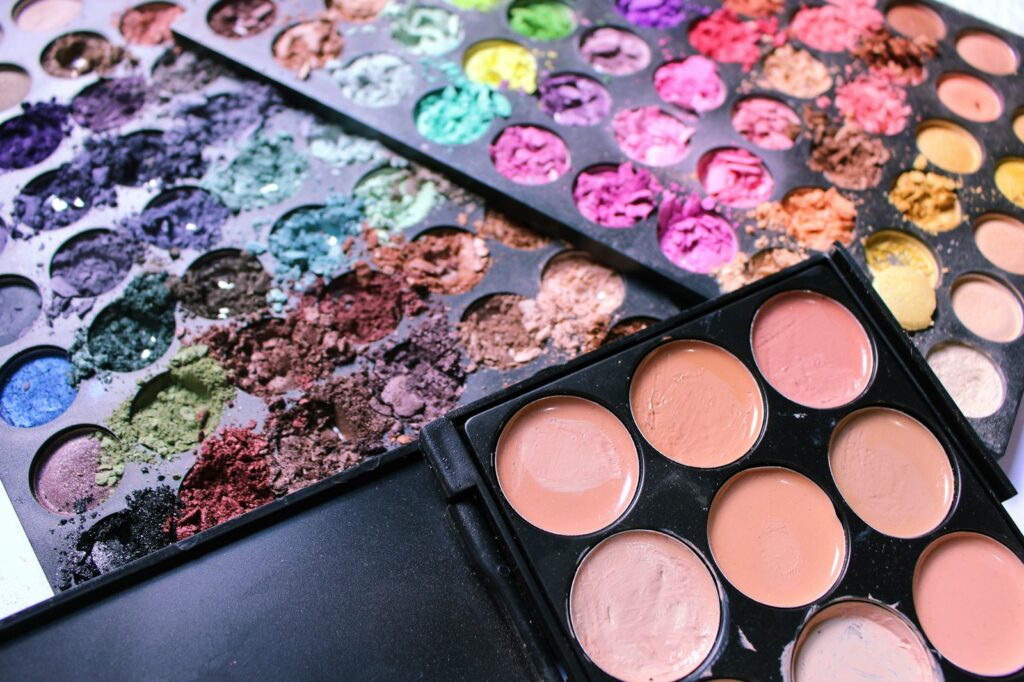
Donation centers can’t accept opened cosmetics or beauty products due to strict hygiene regulations. Used makeup can harbor bacteria, fungi, and viruses that pose health risks to recipients. Once a product has been opened, it’s considered unsafe to pass along.
Thrift stores reject used makeup and skincare to protect shoppers from contamination and potential infections. Workers frequently find half-used bottles of lotion, foundation, and lipstick in donation bins that they must throw away.
Dirty or damaged clothing
Donation centers are overwhelmed with clothing that’s stained, torn, or unwashed. Workers say this creates a significant burden because they spend valuable time sorting through items that can’t be resold or given to people in need.
Clothing and bedding should be washed before donation. Items with holes, missing buttons, or permanent stains often end up in the trash anyway, wasting resources and space at the facility.
Expired food items
Food pantries face a persistent challenge with expired food donations that waste volunteer time. Donation centers must discard items past their date, creating extra work instead of helping families.
Checking expiration dates is the golden rule before dropping off food. Workers spend valuable hours sorting through cupboard cleanouts, removing unsafe products that can’t be distributed.
Donating fresh, unexpired items ensures contributions actually reach people who need them.
Personal journals or diaries
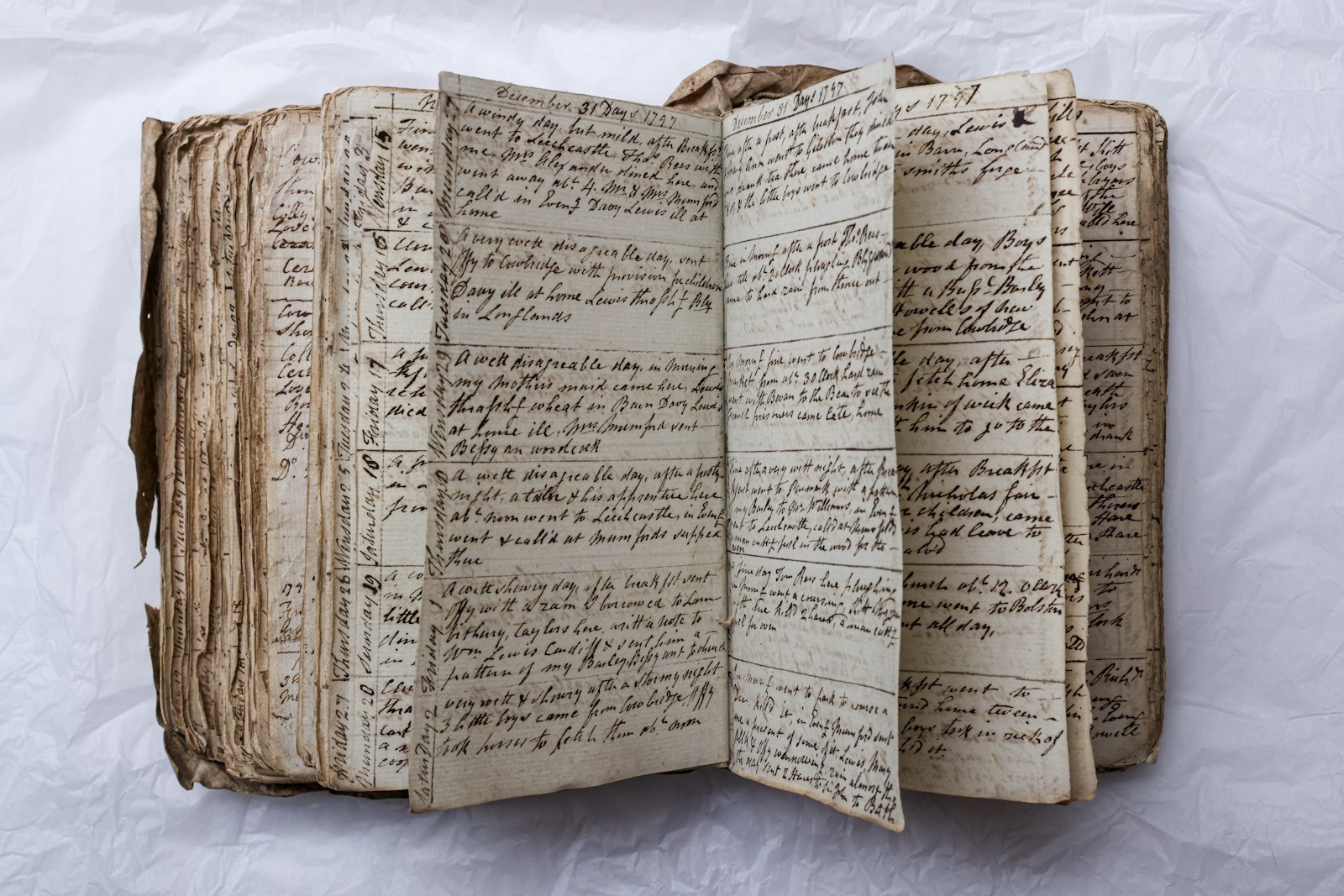
Donation center workers report finding handwritten journals and diaries mixed in with clothing and household items. These deeply personal items often contain private thoughts, memories, and sensitive information that donors likely never intended to give away.
The journals usually end up in boxes by accident during hurried decluttering sessions. Staff members must dispose of these items rather than sell them, which creates extra work and raises privacy concerns for the original owners.
More from Willow and Hearth:
- 15 Homemade Gifts That Feel Thoughtful and Timeless
- 13 Entryway Details That Make a Home Feel Welcoming
- 11 Ways to Display Fresh Herbs Around the House
- 13 Ways to Style a Bouquet Like a Florist
Leave a Reply