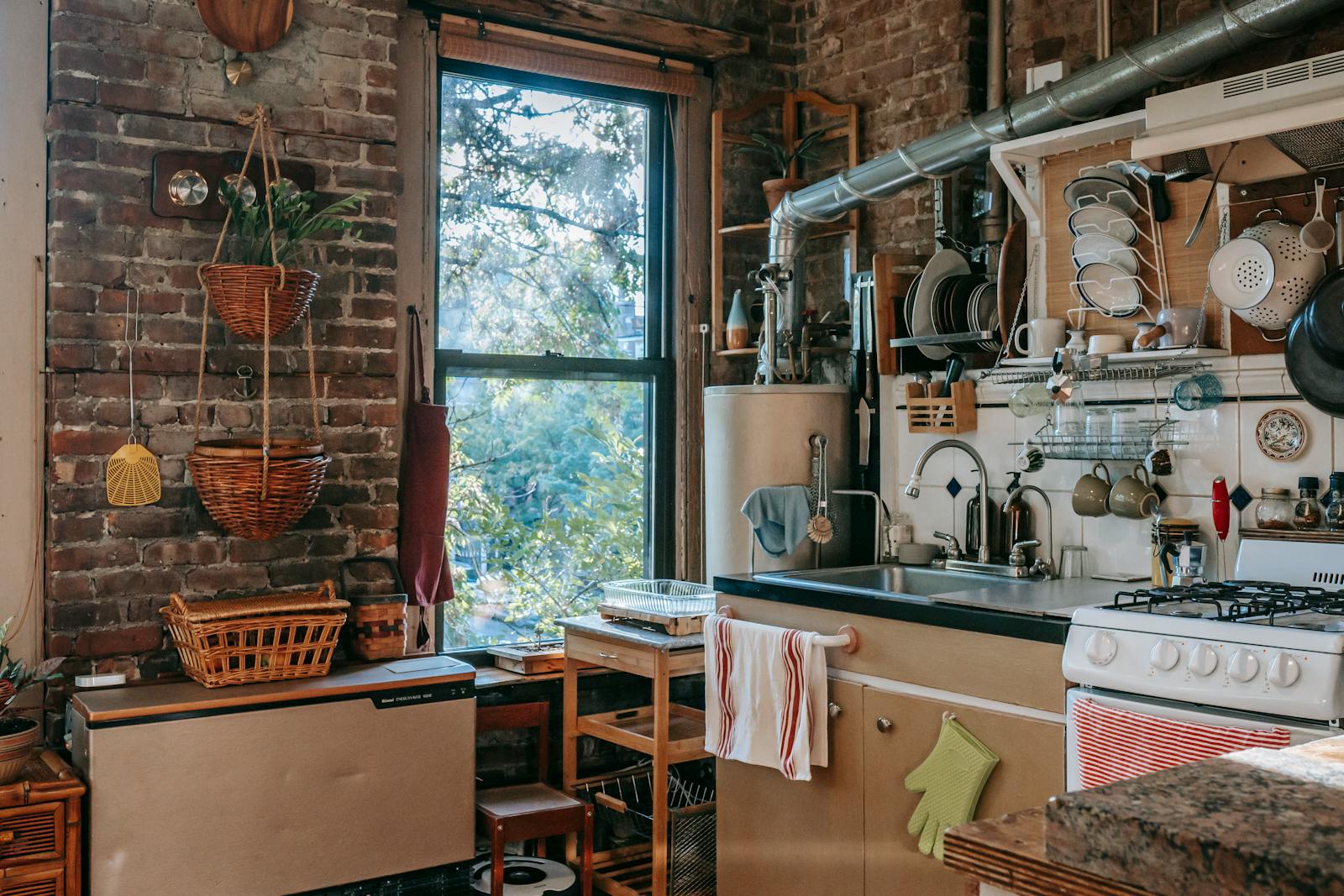
The kitchen accumulates items that outstay their usefulness, from pantry staples that have lost their potency to cookware that has seen better days. Professional organizers identify several common categories of old kitchen items that people consistently discard when decluttering their cooking spaces.
Getting rid of forgotten, expired, damaged, or mismatched items allows homeowners to optimize storage for a more efficient cooking space. Certain kitchen belongings consistently make the list when people decide to clear out clutter and create a more functional area for meal preparation.
Expired spices and herbs
Ground spices typically lose potency after six months to one year, while whole spices can maintain their flavor for three to four years. Many people discover jars in their pantry that are well past their best-by date.
These old seasonings don’t exactly spoil, but they lose their punch over time. Dried herbs and ground spices turn into dusty, indistinguishable powder after losing their vibrant flavors.
People often toss these during kitchen decluttering sessions, though expired spices can be repurposed for other uses.
Cracked or chipped dishes
Damaged dishware is a common kitchen decluttering target. Professional chefs monitor plates for signs it’s time to throw them away, and home cooks should do the same.
Chips and cracks create spaces where bacteria can hide, making dishes harder to clean properly. The damage also poses a safety risk, as sharp edges can cut fingers or lips during use.
Instead of tossing them immediately, people can repurpose chipped dishes as wall art, desk organizers, or bird feeders.
Old plastic food containers without lids
Plastic food containers with missing lids are common culprits taking up valuable cabinet space. These orphaned bottoms rarely get used since they can’t properly store food anymore.
People often hold onto them thinking the lost lid will magically reappear. However, these mismatched pieces usually just create clutter and frustration when searching for matching sets.
While old containers can organize small items like screws or art supplies, keeping too many defeats the purpose of decluttering.
Empty glass jars from jams or sauces
Many people toss empty glass jars straight into recycling without considering their potential. These sturdy containers work perfectly for storing leftovers, organizing pantry staples, or keeping dry goods fresh.
Glass jars from pasta sauce, jam, and pickles feature tight-sealing lids and transparent sides that make them ideal for food storage. They can also serve as containers for craft projects and organization throughout the home.
Before discarding these containers, declutterers should consider keeping a few for practical everyday uses.
Dried out or stale baking ingredients
Baking ingredients are surprisingly perishable, especially for those who don’t bake regularly. Baking powder and baking soda lose their leavening power over time, making baked goods fall flat.
Whole-grain flours can go rancid, developing an unpleasant smell and taste. Brown sugar often hardens into unusable clumps. Many people hold onto these items without realizing they’ve expired or degraded.
Declutterers find that tossing expired baking supplies frees up valuable cabinet space while ensuring future baking projects turn out properly.
Bent or rusty kitchen utensils
Damaged utensils pose real problems in the kitchen. Bent spatulas and whisks don’t work properly, making cooking tasks unnecessarily difficult. Rust presents an even bigger concern since it can flake off into food.
Kitchen utensils that show signs of damage should be replaced promptly. Metal tools that have warped from heat or developed rust spots need to go. These items take up valuable drawer space while creating frustration during meal preparation.
Worn-out nonstick pans
Nonstick pans don’t last forever, and visible signs like warps, dents, and scratched surfaces indicate it’s time to let them go. When the coating starts flaking off, it can end up in food and compromise cooking performance.
People commonly discard these pans during kitchen cleanouts, especially when rust, warping, or damaged nonstick coating becomes apparent. Rather than tossing them in the trash, many choose to recycle or donate pans that are still usable but no longer meet their needs.
More from Willow and Hearth:
- 15 Homemade Gifts That Feel Thoughtful and Timeless
- 13 Entryway Details That Make a Home Feel Welcoming
- 11 Ways to Display Fresh Herbs Around the House
- 13 Ways to Style a Bouquet Like a Florist
Leave a Reply