
Some neighbor problems are obvious.
Others are almost invisible until they become impossible to ignore.
This one stood out because nothing about it sounds dramatic. But the way it unfolded made people uncomfortable for a different reason.
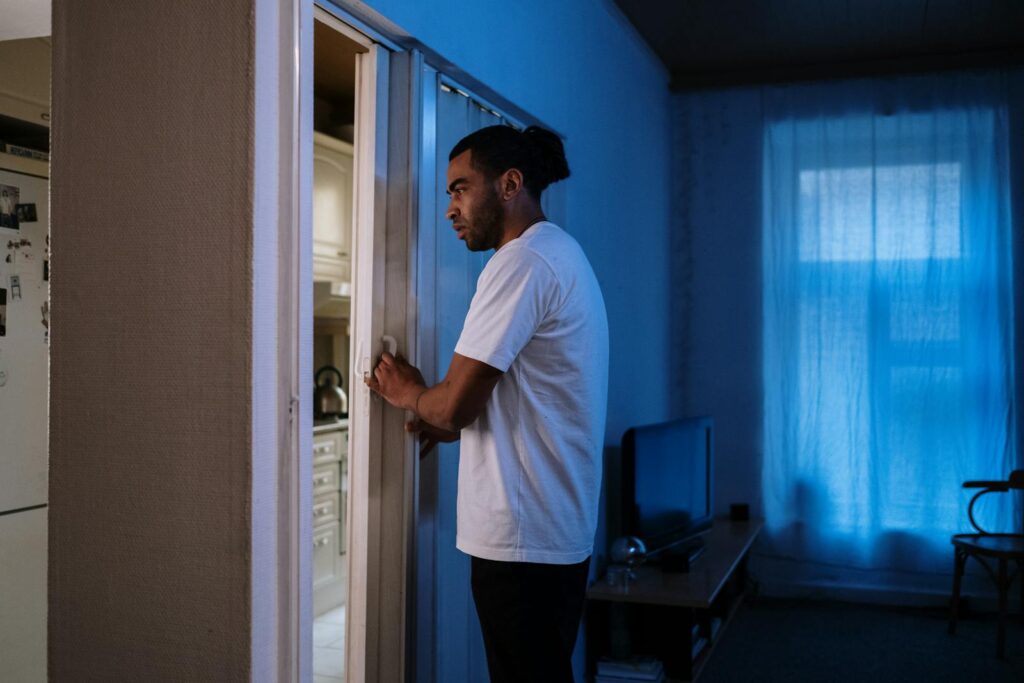
What Happened
The OP describes their neighbor, Joel, as extremely likable.
Within months of moving in, he knew everyone’s names, helped residents with small tasks, and built a reputation as the “good guy” in the building.
He organized helpful projects, brought back small gifts from trips, and made people feel seen.
By all accounts, he became everyone’s favorite neighbor.
Where the Problem Started
About five months ago, the OP noticed something in the shared basement storage area.
Joel had started using more space than usual.
At first, it wasn’t obvious.
A few extra boxes.
A bike.
Some furniture.
But over time, it grew.
Gradually enough that no one seemed to notice.
The Current Situation
Now, according to the OP, Joel’s belongings take up around 60 percent of the shared space.
And more importantly, they block access to the OP’s assigned storage unit.
Not partially inconvenient.
Completely inaccessible.
Trying to Fix It
The OP documented everything.
Photos.
Clear evidence.
Then brought it to building management.
Their response?
They brushed it off.
Said Joel was great.
Assumed it was temporary.
The Conversation With Joel
When management mentioned it to him, Joel came directly to the OP.
Polite.
Apologetic.
Said he’d fix it by the weekend.
Nothing changed.
When Things Shifted
Two weeks later, the OP followed up with management again.
This time, the tone felt different.
Less concerned.
More like the OP was making a big deal out of something small.
They also spoke to other tenants.
And noticed something else.
People started defending Joel before even hearing the full issue.
Why This Blew Up
Because this isn’t really about storage.
It’s about perception.
Joel built a strong social reputation first.
So when a problem shows up, people instinctively protect the image they already believe.
How People Reacted
Many commenters immediately saw the deeper issue.
u/Parallax_Glimmer8 said:
“You are not dealing with storage anymore, you are dealing with reputation.”
Others pointed out how difficult it is to hold someone accountable when they’re widely liked.
u/onebreathesaway wrote:
“People just don’t like holding the ‘nice guy’ accountable.”
Some suggested focusing on lease terms, written complaints, or even fire code violations to force action.
The Bigger Pattern
A lot of people connected this to something broader.
When someone consistently does small positive things, it creates a kind of social shield.
Not intentional manipulation necessarily.
But a dynamic where criticism feels unfair, even when it’s valid.
My Take
This situation feels frustrating because the OP did everything “right.”
Documented it.
Stayed calm.
Went through proper channels.
And still ended up being seen as the problem.
That’s what happens when facts run into reputation.
The Real Question
If someone builds enough goodwill over time…
does it make people less likely to see the harm they’re causing, even when it’s right in front of them?
More from Willow and Hearth:
- 15 Homemade Gifts That Feel Thoughtful and Timeless
- 13 Entryway Details That Make a Home Feel Welcoming
- 11 Ways to Display Fresh Herbs Around the House
- 13 Ways to Style a Bouquet Like a Florist
Leave a Reply