
Living on a shared private road usually comes with an unspoken rule. Major decisions should involve everyone.
That’s why this situation caught people’s attention. One neighbor made a big change without asking, and now the cost is being pushed onto everyone else.
A Quiet Road Turned Complicated
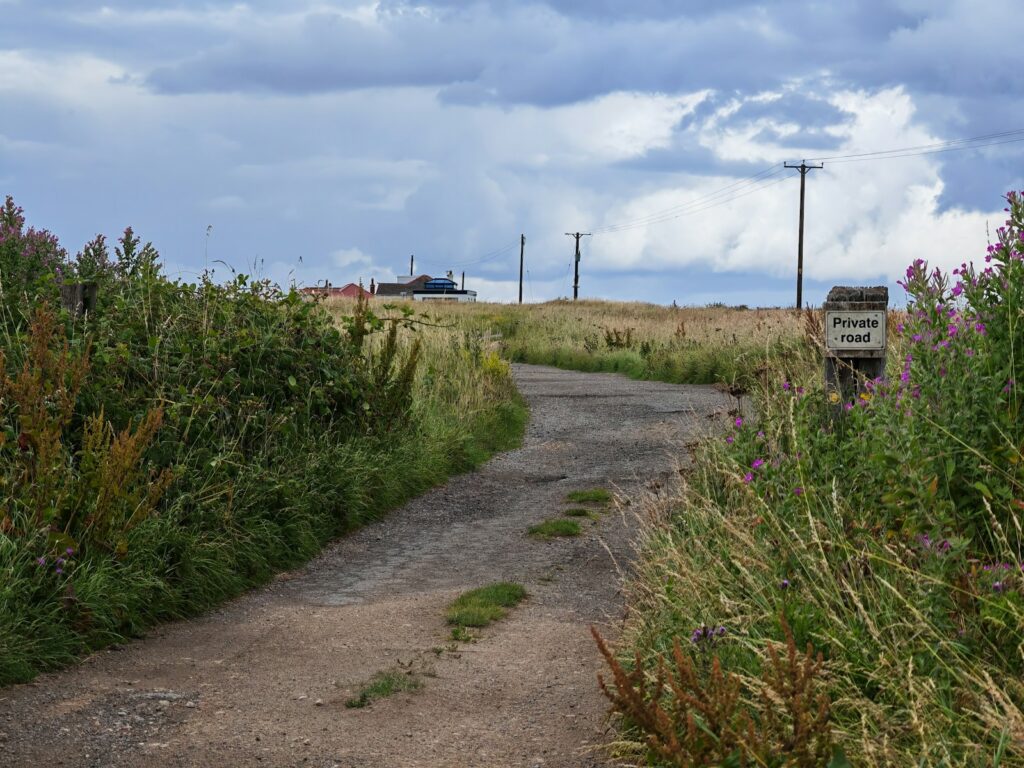
The homeowner lives on a private gravel road shared by six houses, each sitting on large plots of land.
For years, maintenance was simple.
If potholes appeared, one neighbor would smooth things out with a tractor. Nothing fancy, but it worked.
Then things changed.
A Business Changed the Dynamic
A neighbor further down the road started a small bread stand.
At first, it didn’t seem like a big deal.
But as the business grew, so did the traffic.
Eventually, the neighbor decided to expand, adding a structure and bringing in more customers.
And with that came a new concern.
The road.
The Decision No One Agreed To
Without involving everyone, the business owner coordinated road work with some of the neighbors.
But not all.
The homeowner and the house next door were left out of the discussion entirely.
Then one day, they came home to a surprise.
The entire road had been scraped down to dirt.
What used to be a functional gravel road was now stripped and in worse condition than before.
Now Everyone Is Being Asked to Pay
After the work was done, the request came.
Each household was asked to contribute money to bring in new gravel and repair the road.
About $220 to start, with more costs likely coming.
The problem?
The damage was caused by a decision they were never included in.
Drawing the Line
The homeowner refused.
Not out of spite, but principle.
They explained clearly that being left out of the conversation, then asked to pay afterward, didn’t sit right.
And they weren’t willing to contribute to something they had no say in.
Why This Story Blew Up
People immediately recognized the core issue.
It wasn’t just about money.
It was about consent and fairness in a shared space.
The Reactions Were Strong
Many commenters sided with the homeowner.
User “Wonderful-Product953” pointed out that the road was fine before and that the neighbor created the problem.
Others highlighted that the improvements were tied to a private business, not a shared need.
And some warned that this could set a precedent for future decisions.
The Situation Got Worse
After the refusal, things escalated.
Other neighbors began speaking up, contradicting the business owner’s version of events.
A group meeting was suggested to set clear rules moving forward.
But the business owners declined, saying they were too busy and might not even stay long.
They also told everyone to “enjoy the improvements.”
The Bigger Issue
At this point, the conflict is about more than gravel.
It raises bigger questions:
- Who gets to make decisions about shared property
- Whether businesses should impact shared costs
- And what happens when communication breaks down
Where Things Stand
There’s tension in the neighborhood now.
But the homeowner still stands by their decision.
What This Situation Shows
In shared spaces, the process matters just as much as the outcome.
Because once people start making decisions for others, the trust is usually the first thing to go.
More from Willow and Hearth:
Leave a Reply