They thought they had finally found the perfect place to settle down.
About five years ago, this homeowner and their family bought what felt like a dream home. The property was spacious, tucked near wooded areas, and far enough from neighbors to feel private without being isolated. It was the kind of place where you imagine raising a family, enjoying quiet evenings, and feeling completely at ease.
At first, everything seemed normal.
Then they started noticing one neighbor in particular.

The Boundaries Started Disappearing
Not long after moving in, they realized a man who lived several houses away had a habit of roaming. Not just walking around his own yard, but drifting onto other people’s properties, including theirs.
It began with his dog.
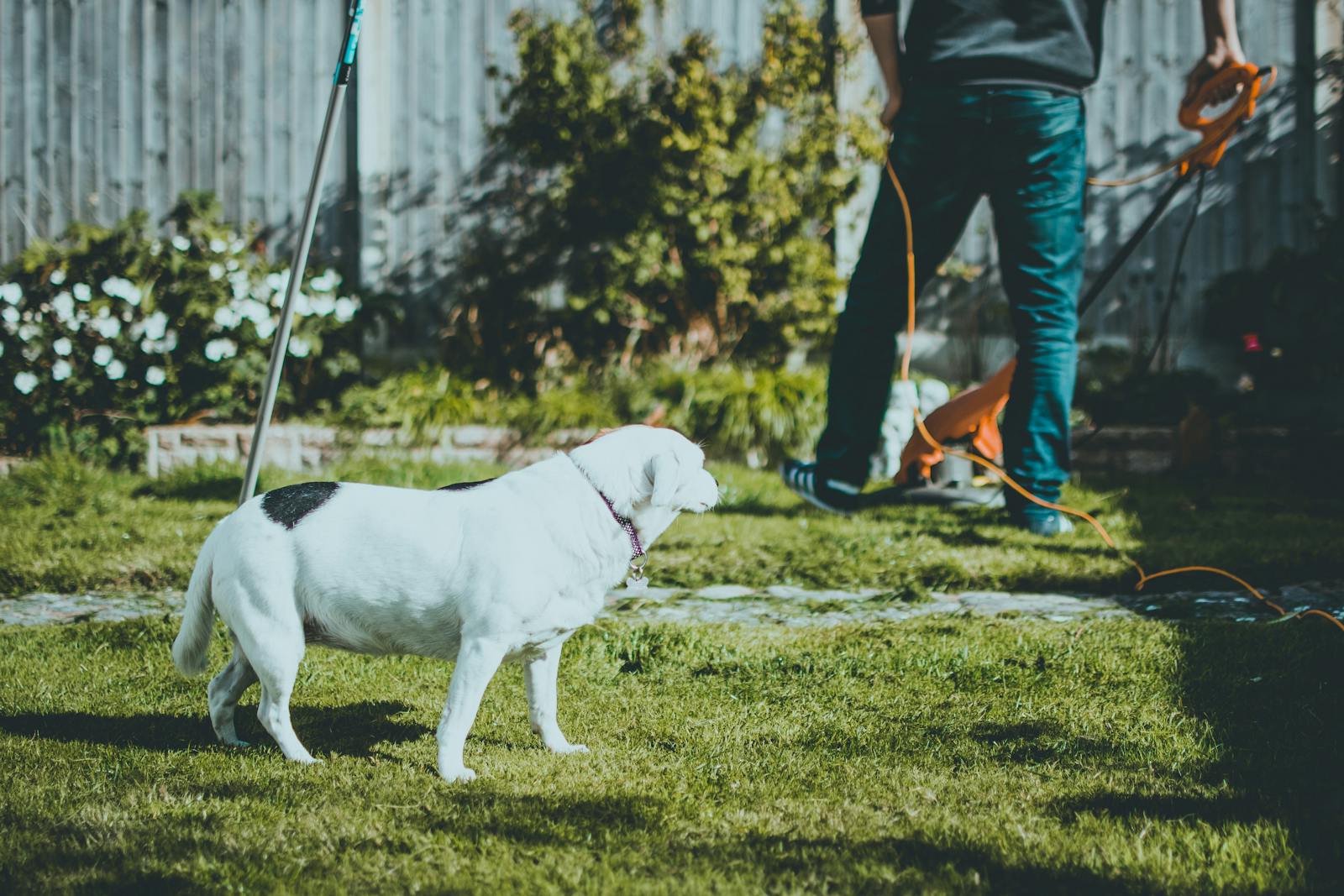
The neighbor would let the dog out in the morning and not bring it back until nighttime. The dog regularly wandered onto their property, sometimes even sleeping in their garden. One morning, a backyard camera caught it chewing up their patio furniture.
They approached him politely and asked him to keep the dog contained.
Nothing changed.
It Escalated From Annoying to Invasive
Over time, the behavior got worse.
The man himself began showing up on their property, even though he didn’t live next door. This wasn’t a quick step across a shared fence either. Their homes were spread out, meaning he had to intentionally walk a noticeable distance just to get there.
At one point, the homeowner’s wife was outside by the pool when he suddenly appeared nearby.
Uninvited. Again.
They asked him directly to stop walking through their yard or at least ask permission if he wanted access to the nature preserve behind their home.
He ignored that too.
Then It Became a Pattern
Soon, it wasn’t just him.
His kids started riding bikes through their driveway. One day, they rode up close to a window and began yelling at the homeowner’s dog, setting it off and waking up their sick child.
Still trying to keep the peace, the homeowner gave them limited permission to use parts of the property, with one simple request: stay away from that window.
Even that boundary didn’t hold.
Then came the chickens.
The Property Turned Into a Free-For-All
The neighbor got around 20 chickens, far exceeding local limits, and let them roam freely.
Naturally, they ended up on the homeowner’s property, tearing up landscaping and leaving damage behind. After tolerating it multiple times, the homeowner finally contacted animal control.
For a moment, it seemed like things might calm down.
They didn’t.
The Situation Took a Dangerous Turn
At one point, another neighbor asked if it would be okay for the man to shoot squirrels with a shotgun nearby.
The homeowner said no. It was a residential area, and firing a weapon there was unsafe.
Shortly after, a gunshot was heard.
Then police showed up.
Six officers, weapons drawn, surrounded the homeowner’s property and searched the area. They found nothing. Later, through connections, the homeowner discovered the report had come from that same neighbor’s wife, who claimed he had been the one firing a gun.
In other words, he had been falsely reported.
The Fallout Spread Beyond One Neighbor
After that, everything changed.
Other neighbors stopped waving. The atmosphere turned cold. Even their child, who would wave at people, was ignored.
Despite having video evidence of the trespassing, the animals, and the incidents, the homeowner now feels stuck. Reporting anything further feels risky after being falsely accused once already.
Why This Blew Up
What started as minor annoyances slowly turned into a breakdown of boundaries, safety, and trust.
At every stage, the homeowner tried to be reasonable. Polite conversations. Compromises. Giving chances.
But instead of resolving things, it created space for the behavior to continue and escalate.
How People Reacted
User Practical_Wind_1917 pointed out that letting things slide early likely made the situation worse, suggesting stricter enforcement from the start.
User False-Pack7626 highlighted the most concerning part: feeling unsafe in your own home is a sign the situation has gone too far.
Others recommended documenting everything and involving authorities despite the fear of retaliation.
The Bigger Question
How far do you go to be a “good neighbor” before it starts working against you?
Because in this case, trying to keep the peace didn’t solve the problem.
It just gave someone else permission to ignore every boundary that was set.
More from Willow and Hearth:
Leave a Reply