
Some friendship moments feel simple until money quietly changes the tone. A situation that starts with an extra ticket can suddenly turn into a conversation about generosity, expectations, and what people believe friendship should look like. It’s not always about the item itself, but about what the request seems to imply underneath.
That’s what makes stories like this so relatable. Most people don’t mind being generous with friends, but there’s a difference between offering something and feeling expected to give it away. When that line gets blurred, even small interactions can leave both sides feeling misunderstood.
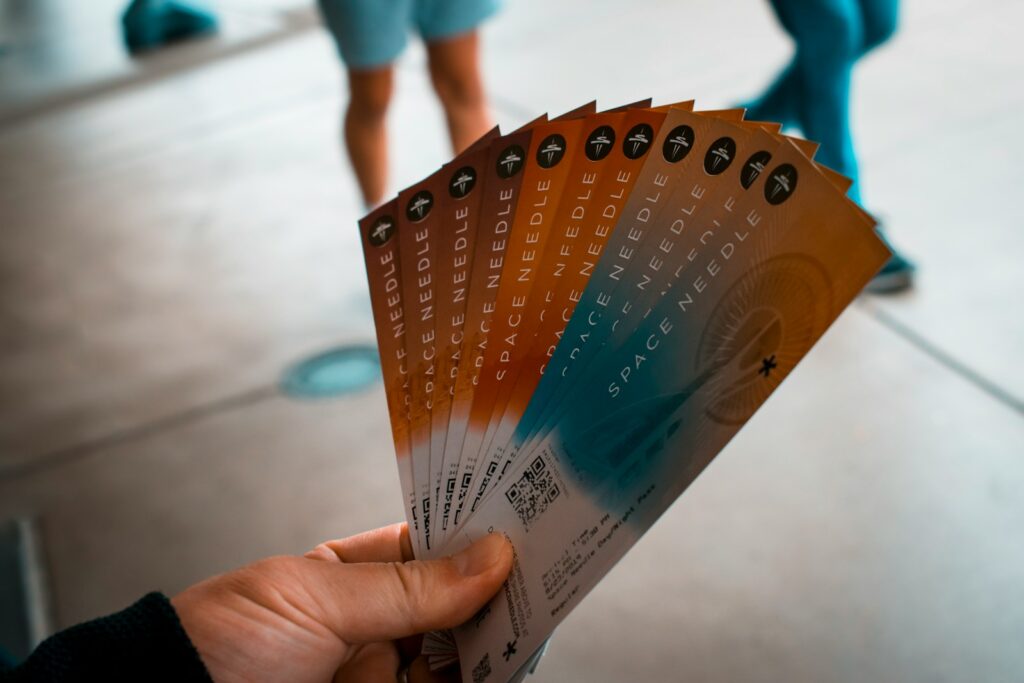
A Ticket That Was Never Meant to Be Extra
The situation started off pretty straightforward. The person had bought tickets to an event ahead of time, planning to attend with someone else. It wasn’t a last-minute purchase or something casual, but something they had paid for with a clear intention.
Then plans changed. The person they were supposed to go with backed out, leaving one ticket unused. At first, it didn’t seem like a big deal, because there was still time to figure out what to do with it.
Naturally, two options came to mind. Either find someone else to go with or sell the ticket and recover some of the cost. Both felt reasonable, especially since the ticket itself wasn’t cheap and represented real money already spent.
The Ask That Felt Like an Assumption
Things shifted when a friend found out about the extra ticket. Instead of asking about buying it or even discussing options, they simply asked if they could have it. Not at a discount, not with an offer to split the cost, but for free.
That directness caught the ticket owner off guard. It wasn’t just the request itself, but the way it was framed, as if giving it away was the obvious choice. There was no acknowledgment of what the ticket had cost or what it meant to give it up.
When the answer came back as no, the reaction changed quickly. The friend pushed back, suggesting that it felt “transactional” to want to sell it. They framed it as a matter of friendship, implying that money shouldn’t come between people who care about each other.
Trying to Balance Fairness and Friendship
That comment created a moment of doubt. On one hand, it’s true that friendships shouldn’t feel like business deals, and generosity is often part of how people show care. On the other hand, this wasn’t a small favor or something insignificant.
The ticket had real value, and giving it away would mean absorbing the full financial loss. It wasn’t something casually acquired or easily replaced, which made the expectation feel heavier than it might have otherwise.
What made it harder to accept was the lack of compromise. If the friend had offered to pay something, even a reduced amount, the conversation might have gone differently. Instead, the request came with no middle ground, which made it feel less like a favor and more like pressure.
The Choice That Created Distance
In the end, the decision was to sell the ticket. It was the most practical option and allowed the person to recover at least some of what they had spent. From a logical standpoint, it made complete sense.
Emotionally, though, it didn’t land the same way for the friend. Even without a direct argument, there was a noticeable shift in the dynamic. Conversations became a bit more awkward, and it was clear that some feelings had been hurt.
That’s where the real conflict sat. Not in the ticket itself, but in the different expectations each person had about what friendship required in that moment. One saw it as a reasonable financial decision, while the other saw it as a missed opportunity for generosity.
Why This Situation Hit a Nerve
When people reacted to the story, many focused on the idea of entitlement. There’s a strong difference between appreciating a gift and expecting one, and a lot of commenters felt the friend crossed that line by assuming they would get the ticket for free.
Others pointed out how easy it is to say “it shouldn’t be about money” when you’re not the one paying. That phrase, while well-meaning in some contexts, can come across as dismissive when it ignores the reality of someone else’s expense.
At the same time, some responses highlighted a broader truth about friendships. Generosity works best when it flows both ways and isn’t forced. When someone feels obligated to give, it often creates resentment instead of strengthening the relationship.
Previous-Car2296: “It shouldn’t be about money is easy to say when it’s not their money.”
hollowBren: “Expecting a gift is just entitlement with a friendlier name.”
Charming-Guidance-16: “If they asked to buy it at a discount, totally different story.”
xFizzySnuggle: “You paid for it, you get to decide what to do with it.”
Brave-Vermicelli-144: “If roles were reversed, they wouldn’t give you a free ticket.”
More from Willow and Hearth:
Leave a Reply