Walking into a new home is supposed to feel like a fresh start, the kind of moment that makes all the stress of closing, packing, and planning feel worth it. That expectation shifts quickly when something feels off almost immediately, especially when the problem shows up before you even bring in your furniture. It creates a strange sense of losing control over a space that is supposed to be yours.
Situations like this hit harder because they are not just inconvenient, they feel invasive. The idea of something spreading through walls, floors, and hidden spaces turns a simple issue into something that lingers in your mind. That emotional weight is what makes this story stand out, because it is not just about ants, it is about feeling overwhelmed in a place that should feel safe.
What Happened When They First Moved In
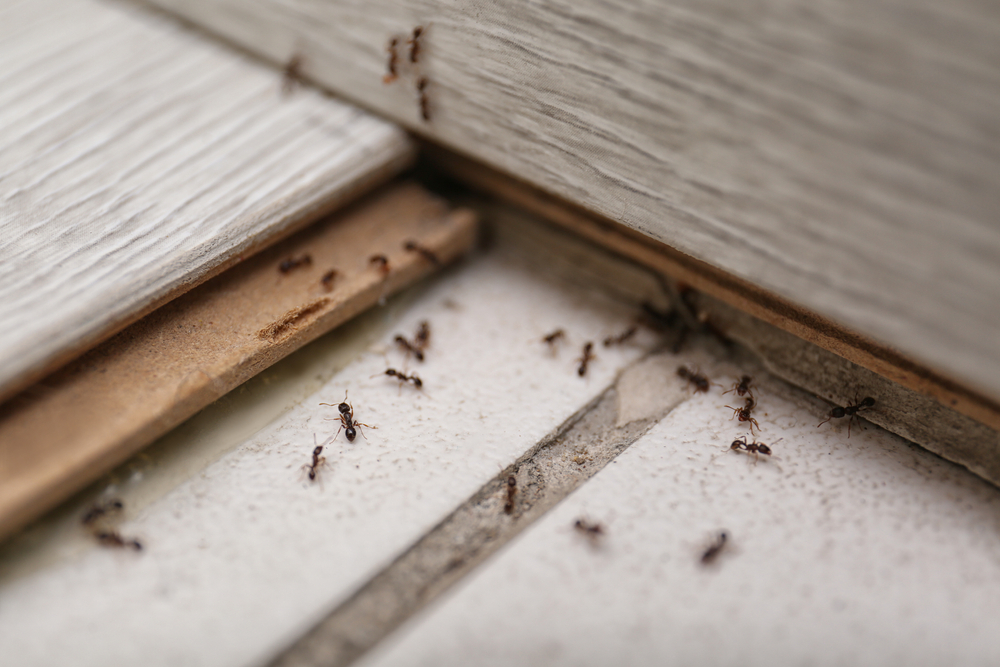
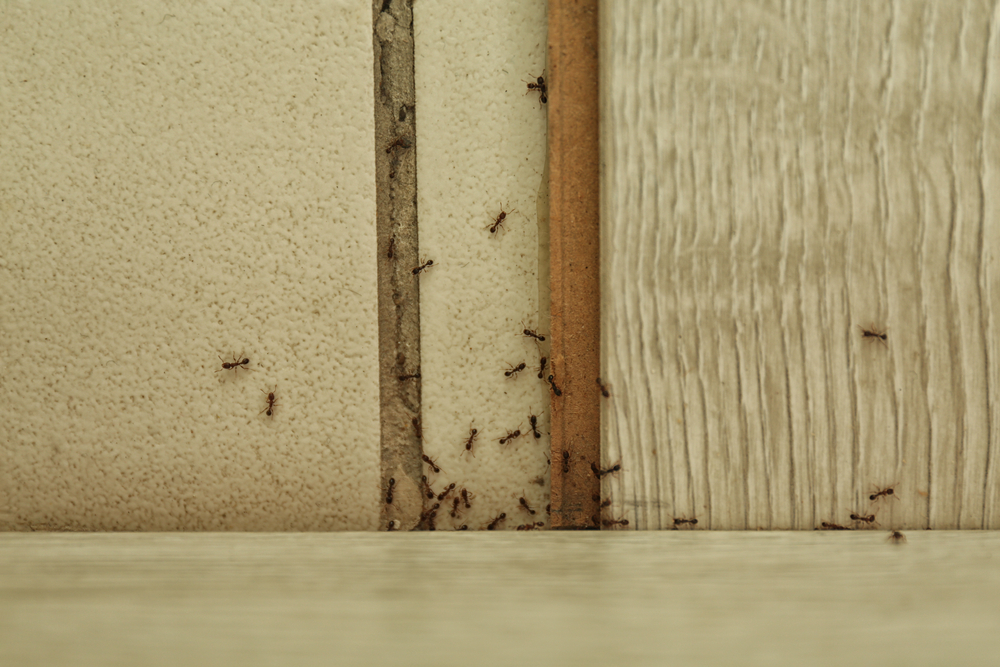
Excitement around the new home did not last long. Within a day of closing, the homeowner noticed sugar ants swarming the living room and kitchen. The timing made it even more unsettling because the house was still empty, leaving no obvious reason for the infestation.
Efforts to delay moving in came from a place of caution. They waited two full weeks, hoping to deal with the issue before bringing in belongings or food. That decision showed how serious the situation already felt, even in those early days.
Professional help seemed like the logical next step. Orkin was called multiple times within a short period, yet the visits failed to make any real difference. That lack of progress added frustration, especially when the problem continued to spread.
How The Problem Kept Getting Worse
Attempts to block entry points became more aggressive as time went on. The homeowner sealed baseboards throughout the house, which helped in certain areas but did not fully solve the issue. Ants kept appearing in places that were harder to explain.
Focus shifted to the vents once it became clear the problem was deeper. Foil tape was used to seal openings from the crawlspace, yet ants still managed to come through. That discovery hinted at a larger infestation hidden within the structure.
The situation became even more unsettling when the heater came on. Ants were literally being blown into the home through the vents, turning a background issue into something impossible to ignore. It was no longer just an inconvenience, it felt constant and unavoidable.
The Moment It Became Too Much
Frustration built steadily with each failed solution. Weeks of effort, multiple professional visits, and repeated attempts at sealing entry points had not stopped the invasion. The sense of progress simply was not there.
Realizing the ants might be living inside the duct system changed everything. That possibility meant the issue was not just external, but embedded within the home itself. It raised the stakes in a way that made every previous attempt feel incomplete.
Concerns about the crawlspace added another layer of stress. Standing water and visible ant activity suggested a larger environmental issue feeding the infestation. Knowing that a full fix could not happen for months made the situation feel even more overwhelming.
Why This Situation Feels So Unmanageable
Hidden infestations tend to create a different kind of anxiety. When pests appear without a clear source, it becomes difficult to feel in control of the problem. That uncertainty makes every solution feel like a temporary fix.
There is also a mismatch between effort and results. The homeowner did everything that would normally be recommended, including sealing entry points and using bait. The fact that those steps did not work made the situation feel unusually stubborn.
Cost and timing added pressure to an already stressful situation. Fixing the crawlspace properly required waiting for better conditions, which delayed a key part of the solution. That gap left the homeowner stuck dealing with symptoms rather than the root cause.
Reactions Reflected Both Advice and Frustration
A clear pattern showed up in how people responded, with many focusing on bait strategy. That idea came through strongly when Interesting_Fox8356 explained, “Skip Terro for now, it kills too fast,” pointing toward slower-acting options that allow ants to carry poison back to the colony. Others echoed that approach, suggesting that effectiveness depends on how the bait works, not just where it is placed.
Confidence in specific products also shaped the conversation. That enthusiasm was easy to spot when WritingAlive shared, “they are gone within 48 hours,” describing success with a different bait that seemed to work more aggressively. That kind of result gave hope, especially for someone dealing with an ongoing infestation.
A more practical perspective focused on finding the source rather than just treating symptoms. That thinking showed up when RR50 described locating colonies outside and eliminating them directly, emphasizing that indoor fixes only go so far. Together, these reactions painted a picture of trial and error, where persistence and the right approach matter just as much as the products themselves.
More from Willow and Hearth:
Leave a Reply