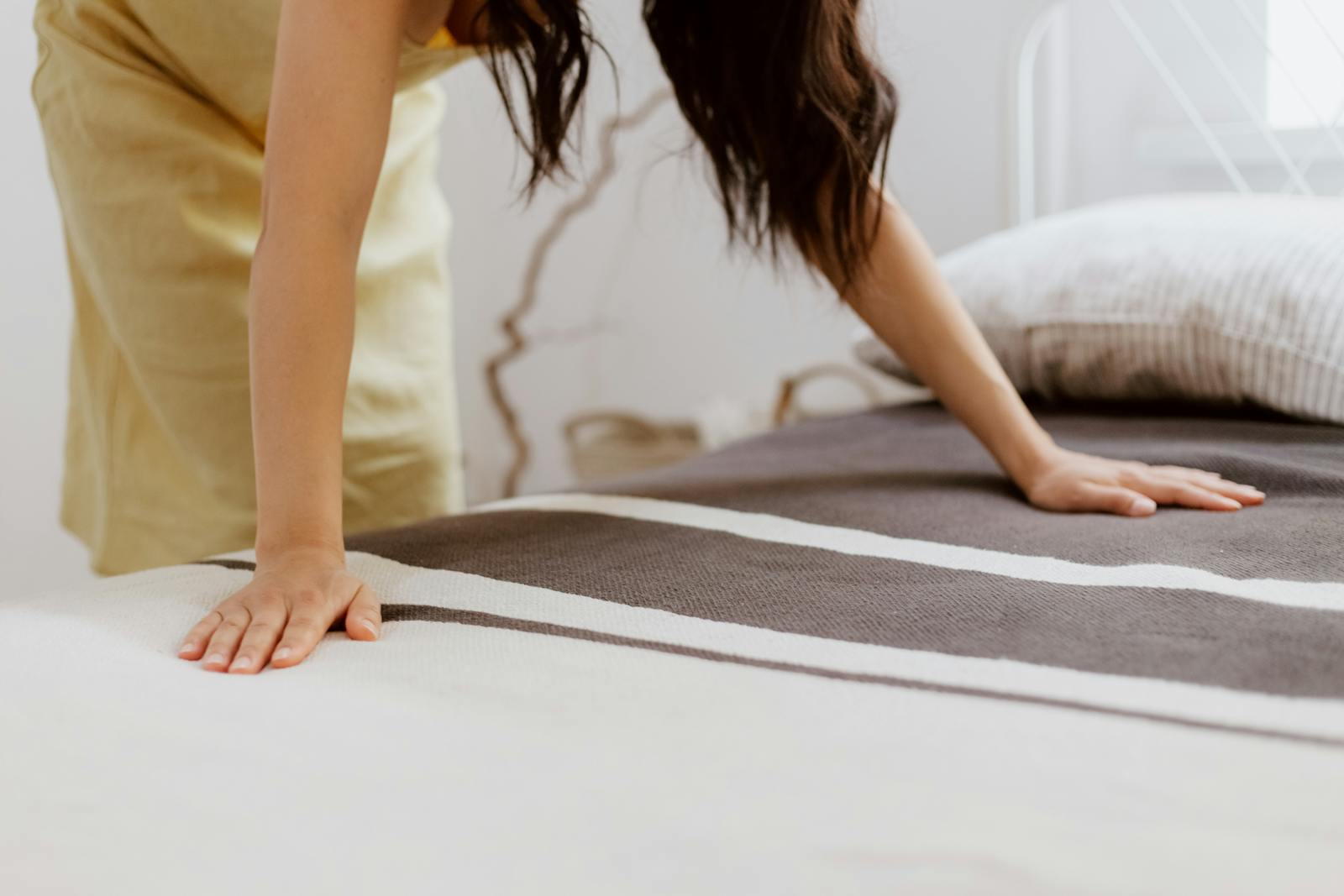
Conversations about everyday habits can get surprisingly intense when there’s no clear rule everyone agrees on. Something as routine as changing bed sheets turns into a quiet debate the moment people realize their habits don’t match what others consider “normal.” It’s one of those topics where people rarely compare notes out loud, which makes any public discussion feel a little more revealing than expected.
That tension is exactly what pulled attention to this question. Once different answers start showing up, it becomes less about the task itself and more about what people think counts as clean, reasonable, or realistic. The range of responses says a lot about lifestyle, priorities, and even how people manage their time, turning a simple question into something much more layered.
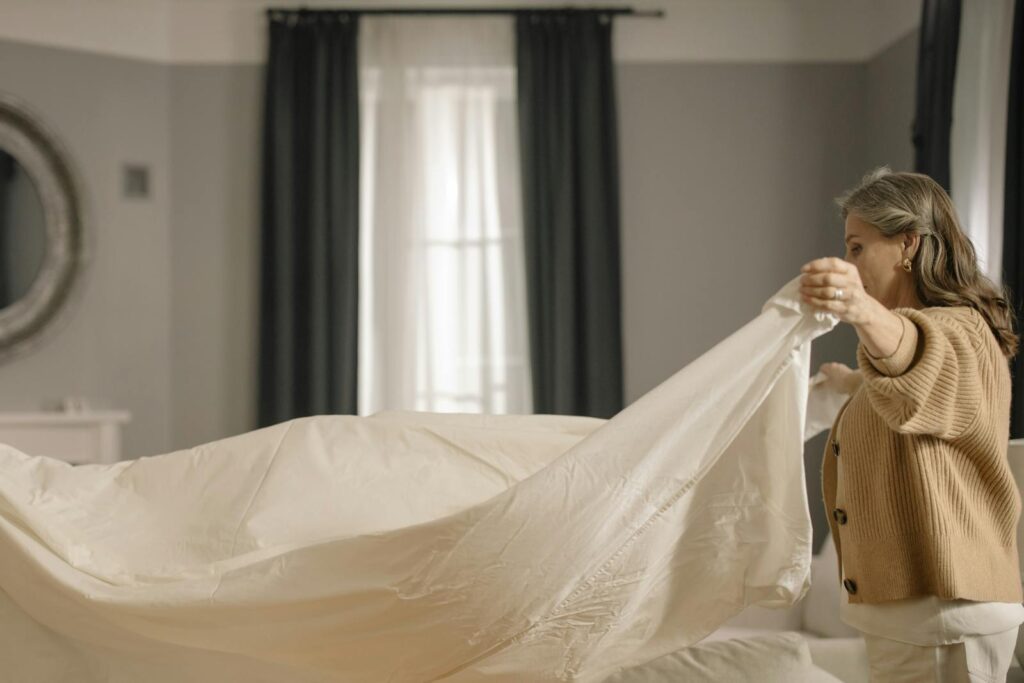
A Simple Question That Opened a Bigger Conversation
The original poster didn’t come in with a strong opinion, just curiosity sparked by seeing people argue. They had noticed wildly different answers, with some insisting on weekly changes while others admitted to going much longer. That contrast made them wonder what the actual standard should be.
They framed the question in a way that felt grounded in everyday reality. People spend hours in bed every night, dealing with sweat, skin, and everything that naturally builds up over time. That detail made the question feel less trivial and more connected to hygiene and comfort.
Once the question was asked, it became clear there wasn’t going to be a single answer. People approached it from different angles, bringing in their routines, personal limits, and even environmental factors. What looked like a simple yes-or-no topic quickly turned into a spectrum.
A Wide Range of Real-Life Habits
Many responses landed somewhere in the middle, reflecting intentions rather than strict routines. Aiming for once a week came up frequently, though several people admitted that reality often stretched that timeline. Life, schedules, and energy levels all played a role in how consistent people could be.
Others were more flexible, tying their habits to how the sheets felt rather than a fixed schedule. The moment that “fresh sheet” feeling disappeared became the signal to change them. That approach felt intuitive, even if it wasn’t precise.
There were also people who openly admitted to longer gaps, sometimes stretching to a month or more. Their reasoning varied, from living alone to not sweating much or simply struggling to keep up with laundry. The honesty in those responses made the discussion feel more balanced and less judgmental.
Factors That Quietly Influence the Routine
As people explained their habits, patterns started to emerge around what actually affects how often sheets get changed. Living with a partner came up as a major factor, with many saying it shortens the lifespan of clean bedding. More people sharing a bed naturally means more wear, movement, and buildup.
Health also played a noticeable role in the conversation. Allergies, skin sensitivity, and overall comfort influenced how frequently people washed their sheets. Several responses described noticeable differences in sleep quality when sheets weren’t changed regularly.
Pets added another layer to the discussion, especially for those who let animals sleep on the bed. Fur, dirt, and dander made it harder to stretch the time between washes. These factors showed that the “right” frequency often depends on circumstances rather than a universal rule.
When Routine Meets Reality
Even people who preferred frequent changes acknowledged that consistency can be difficult. Laundry takes time, and bedding often involves multiple layers that make the task feel bigger than it is. That gap between intention and execution came up repeatedly.
There was also a sense that routines work best when they’re built into a schedule. People who tied sheet changes to a specific day each week found it easier to maintain. Turning it into a habit removed the need to constantly think about it.
At the same time, others pointed out that life doesn’t always allow for strict routines. Travel, work schedules, and energy levels can disrupt even the best intentions. That flexibility made the conversation feel realistic, showing how people adapt rather than follow rigid rules.
Reactions That Revealed More Than Just Preferences
As the discussion unfolded, people began reflecting on how these conversations usually go. A common observation was that only certain voices tend to speak up. That idea shaped how others interpreted the responses they were seeing.
That perspective showed up clearly with Affectionate_Owl1785, who noted, “I’m convinced whenever this question pops up you only get responses from people who change them every week,” highlighting how social pressure can shape what gets shared. It suggested that the visible answers might not fully represent reality.
Others leaned into humor while still revealing personal habits. Comments about partners disrupting clean sheets or time passing faster than expected added a relatable tone. The mix of honesty and lightheartedness turned the discussion into something more than advice, offering a glimpse into how people actually live rather than how they think they should.
More from Willow and Hearth:
Leave a Reply