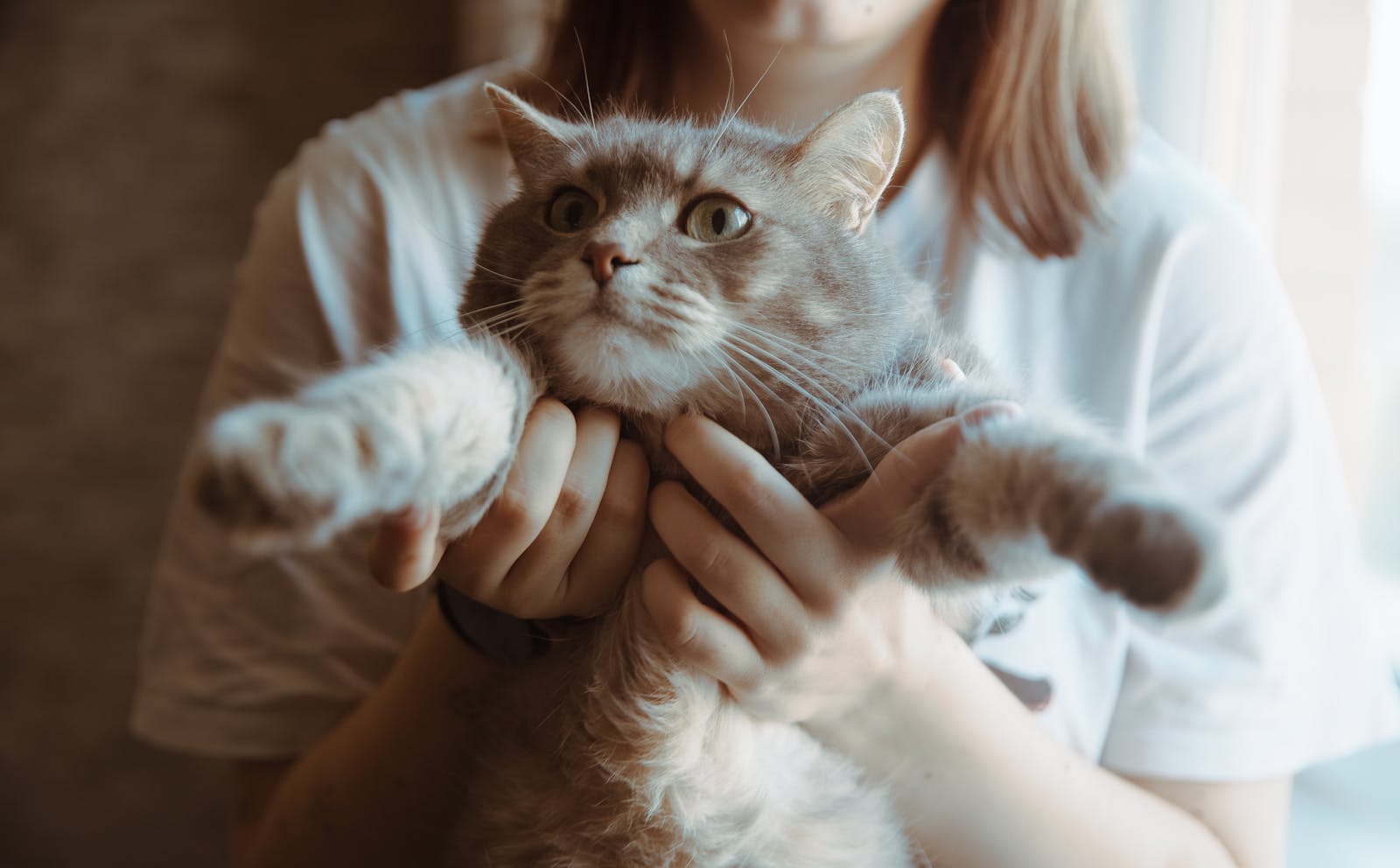
Some conflicts between neighbors build slowly, starting with small annoyances that feel manageable at first. Others escalate quickly because they involve something deeply personal, something that doesn’t feel replaceable or easy to shrug off. When a situation involves a pet, especially one seen as part of the family, the emotional stakes are instantly higher.
That’s what made this situation feel intense from the beginning. It wasn’t just about boundaries or misunderstandings between neighbors, but about a pattern that kept repeating in a way that felt deliberate. Over time, what could have been dismissed as a one-time issue started to feel like something much more intentional.

A Pattern That Started With “Accidents”
The issue began with a simple but recurring problem at home. The family had an indoor cat, and due to a patio door being left unlatched, the cat occasionally slipped outside. It wasn’t something done on purpose, but it happened enough times to become a concern.
Each time the cat got out, it seemed to end up in the same place. The neighbor’s yard became the repeated destination, which immediately stood out. It wasn’t just coincidence anymore, especially as the same interactions followed each time.
Attempts to retrieve the cat turned into uncomfortable exchanges. The neighbor consistently denied that the cat belonged to them, even when it was clearly the same animal. That denial added a layer of confusion that made the situation harder to resolve calmly.
When Denial Turned Into Something More
Things escalated when the behavior started to feel less accidental and more deliberate. The neighbor was seen actively luring the cat using food, which shifted the situation from passive to intentional. At that point, it no longer felt like a misunderstanding about a wandering pet.
Even after the cat was microchipped to establish ownership, the same pattern continued. The identification didn’t seem to matter in the moment, as the neighbor still refused to acknowledge the truth. That refusal made each interaction more tense than the last.
What made it more difficult was the time involved. Instead of quickly resolving the situation, the cat would be kept for extended periods. Waiting days to get a pet back turned the situation into something that felt far more serious.
The Moment Everything Boiled Over
The breaking point came when the cat was kept again, and the same cycle repeated. Another argument followed, with the neighbor denying ownership despite clear evidence. After days of going back and forth, the situation reached a limit.
Calling the police wasn’t the first instinct, but it became the only option left. Once authorities got involved, the situation changed immediately. The microchip confirmed ownership, and the cat was returned without further debate.
Instead of resolving things, though, it created a new conflict. The neighbor reacted strongly to the police involvement, focusing more on how it made her look than on what had actually happened. That reaction shifted the tension into something ongoing rather than resolved.
When the Aftermath Became Its Own Problem
Even after the cat was returned, the situation didn’t settle. The neighbor continued to confront the family, turning every outdoor moment into a potential argument. What had started as a specific issue now affected everyday interactions.
The request for money added another layer to the conflict. Asking to be reimbursed for food used to lure and keep the cat made the situation feel even more unreasonable. It reframed the entire situation in a way that only added to the frustration.
At that point, it wasn’t just about one incident anymore. It became about living next to someone who repeatedly crossed boundaries and then escalated when challenged. That kind of tension is hard to ignore because it shows up in daily life.
Reactions Focused on Responsibility From Both Sides
People responding to the situation largely agreed on one point: calling the police to get the cat back made sense. As ivorylunae put it, “Stealing a pet is a crime, not a neighborly misunderstanding,” which reflected how seriously most readers viewed the neighbor’s actions. The use of food to lure the cat and the refusal to return it made the situation feel intentional rather than accidental.
At the same time, some responses looked at the bigger picture. Comments like changelingcd’s suggestion to “fix your patio door” highlighted that preventing the situation from happening again was just as important. Others echoed that idea, pointing out that repeated escapes made the situation easier for the neighbor to exploit.
That balance shaped most of the discussion. The neighbor’s behavior was widely seen as crossing a clear line, but there was also a strong push toward fixing the root issue to avoid future conflicts. In the end, the situation stood out as one where both accountability and boundaries mattered, but only one side had taken things as far as turning it into an ongoing problem.
More from Willow and Hearth:
Leave a Reply