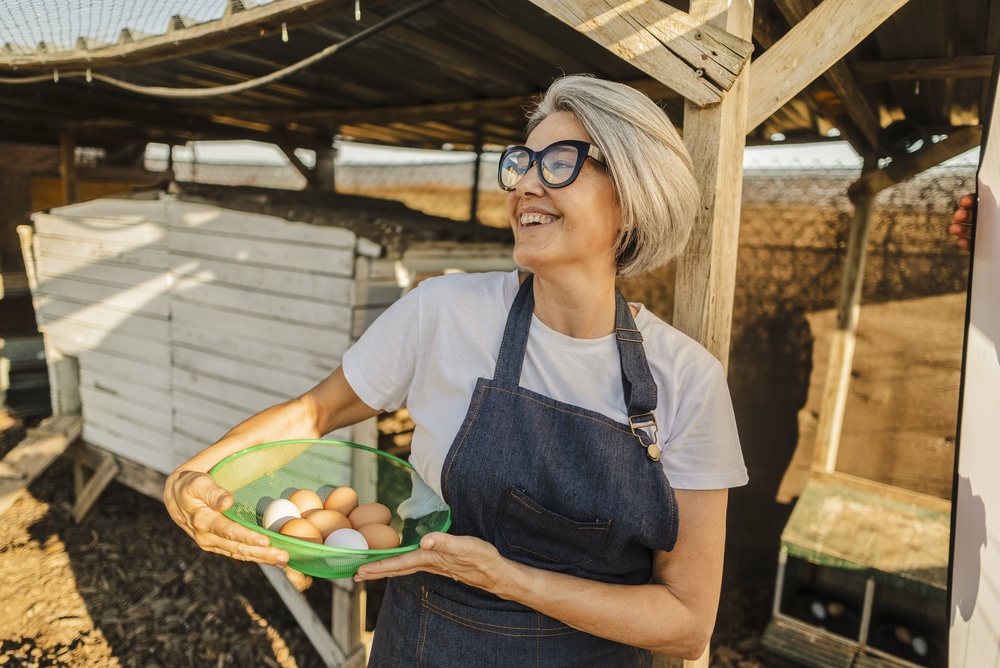
She lives fully self-sufficient on her homestead, and the way she replaces everyday grocery store items with her own homemade versions is what’s capturing attention. Instead of buying basics like bone broth, vegetables, berries, condiments, and even soap, she produces them herself using what she grows, harvests, or processes on her land. The video walks through each category in a calm, confident way that makes the lifestyle feel both intentional and surprisingly achievable.
@morethanfarmers You can learn to do these things too! Our videos on YouTube show how we make it all happen. #SelfSufficiency #HomeSteadingSkills #pantrytour #FoodSecurity #FoodPreservation ♬ dream river. – Woodsman
What makes this especially compelling is how practical everything looks, from shelves packed with homegrown produce to jars of sauces lined up neatly in a pantry. It is not presented as extreme or unrealistic, but as a system built over time with consistency and planning. For viewers, it shifts the idea of self-sufficiency from something distant into something they can actually start working toward. That clarity is why so many people are drawn to it.
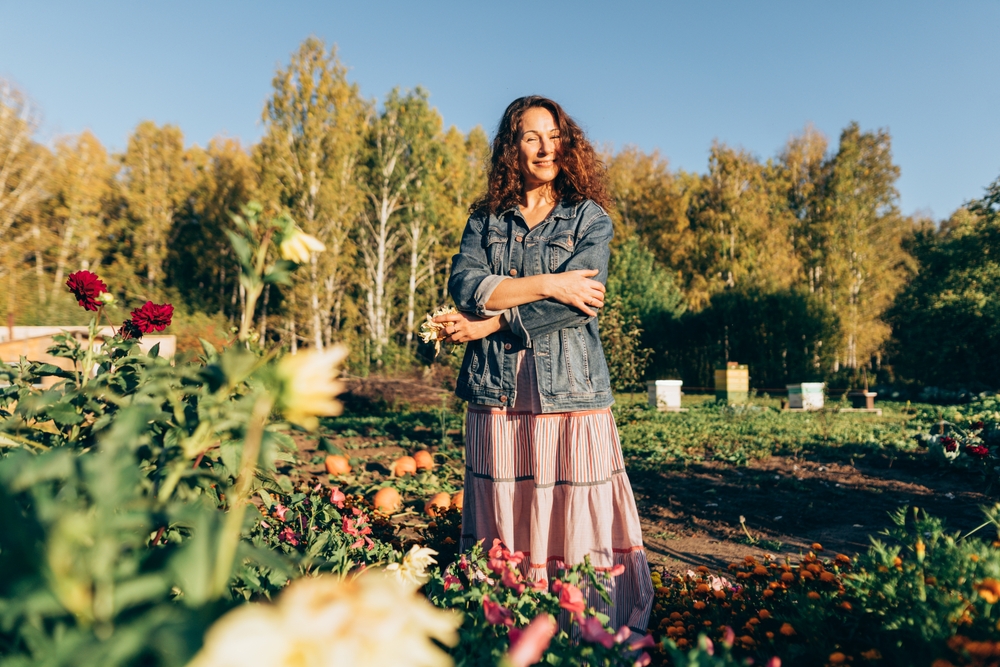
The Five Things She No Longer Buys
She lives fully self-sufficient on her homestead, and the biggest shift comes from eliminating key grocery store staples. Each item she replaces serves a daily purpose, which makes the impact of these changes much more noticeable. Instead of relying on store-bought options, she builds systems that allow her to produce and store these essentials herself. That approach reduces dependency while increasing control over quality and ingredients.
Here are the five items she no longer buys and how she replaces them:
- Bone broth: Made at home using animal bones, resulting in a rich, collagen-packed broth
- Vegetables: Grown and stored in bulk, including potatoes and sweet potatoes
- Berries: Harvested fresh and frozen for long-term use in meals and desserts
- Condiments: Created from garden produce, including sauces, pickles, and relishes
- Bar soaps: Handmade using rendered fat, turning a byproduct into a usable item
Each of these replacements reflects a system rather than a one-time effort. The focus stays on consistency, which is what makes the lifestyle sustainable.
How Storage Makes Self-Sufficiency Work
She lives fully self-sufficient on her homestead, but storage is what allows everything to function long-term. Large shelves filled with potatoes, jars, and preserved goods show how planning extends beyond harvesting. Without proper storage, even the best harvest would quickly go to waste. That is why her setup includes pantries, freezers, and organized shelving systems.
According to National Sustainable Agriculture Coalition, food preservation and storage are essential components of sustainable farming and self-reliant living. Techniques like canning, freezing, and root cellaring allow households to extend the life of their harvest significantly. This ensures consistent access to food without frequent external purchases. Her setup reflects those principles in a practical, everyday way.
Why This Lifestyle Appeals to So Many People
She lives fully self-sufficient on her homestead, and the appeal goes beyond just saving money or avoiding stores. It represents control, independence, and a deeper connection to what you consume daily. People see a lifestyle where effort directly translates into results, which feels rewarding and grounded. That sense of ownership over food and products is what draws so much attention.
The visual impact also plays a big role, with shelves of produce and handmade items creating a sense of abundance. It feels organized, intentional, and calm, even though it requires significant effort behind the scenes. That contrast makes the lifestyle both aspirational and realistic. Viewers are not just impressed, they are curious about how to begin.
What It Actually Takes to Get Started
She lives fully self-sufficient on her homestead, but the process clearly builds over time rather than happening all at once. Each system, whether it is gardening, preserving, or soap-making, requires learning and consistency. Starting small allows you to develop skills without becoming overwhelmed. That step-by-step approach makes the transition manageable.
If you want to move toward this kind of lifestyle, focus on these starting points:
- Grow one or two crops you can manage consistently
- Learn a simple preservation method like freezing or basic canning
- Replace one store-bought item at a time
- Build storage space gradually as your output increases
These steps help you create a foundation without overcomplicating the process. Over time, small changes add up into a more self-sufficient system. The key is staying consistent rather than trying to do everything at once.
More from Willow and Hearth:
Leave a Reply