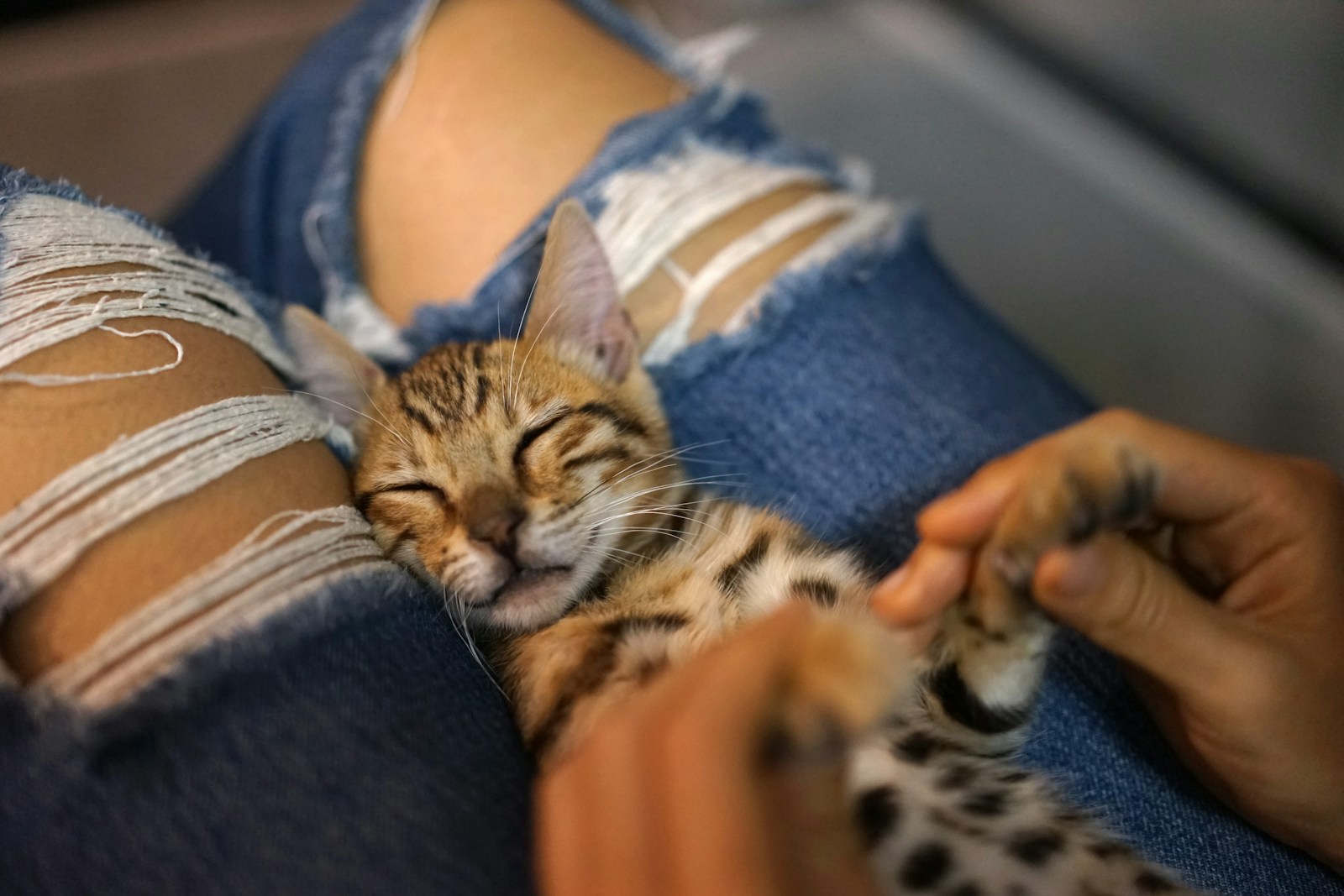
This clingy cat won’t let her human leave, and the viral clips capturing this behavior are striking a nerve with pet owners who instantly recognize the feeling of having a “velcro pet.” Across multiple moments, these cats stay pressed close to their owners, following them from room to room, wrapping around their legs, and refusing to give even a second of personal space.
@funny.cat555 A clingy cat 🐱🥰 #cat #cats #catsoftiktok #funnycat #catlovers #cutecat #funnyvideos #funny #funnyanimals #funnytiktok #viral #fyp #cute #tiktok #Foryou ♬ original sound – funny.cat555
What makes this so relatable is how consistent the behavior is across different homes and cats, showing that this kind of attachment is not rare or unusual. Instead of independence, these cats actively seek closeness, turning everyday moments into constant interaction and making it clear that, for them, being near their human is not optional.
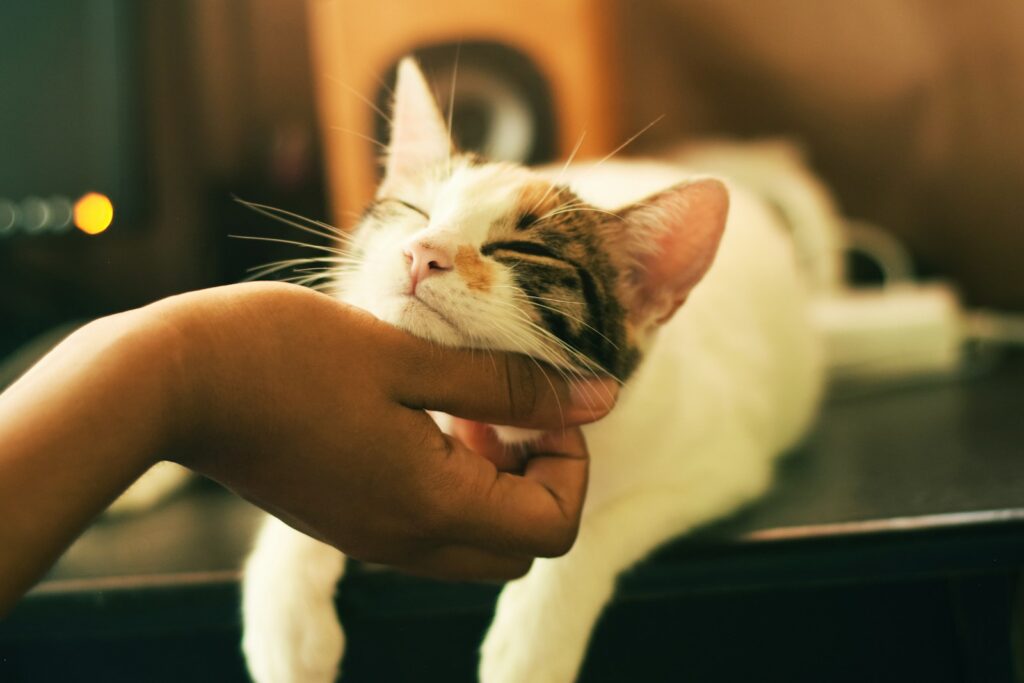
Why Clingy Cats Form Such Strong Attachments
Clingy cats often develop strong attachments because they associate their owners with safety, comfort, and routine, which naturally encourages them to stay close. When a cat consistently receives attention, food, and affection from one person, it builds a connection that feels secure and rewarding. Over time, this bond strengthens into a pattern where the cat prefers proximity over independence, especially in calm home environments. This behavior can feel intense, but it is often a sign that the cat feels safe rather than anxious.
According to American Veterinary Medical Association, cats can form social bonds similar to those seen in other companion animals, especially when their daily routines are stable and predictable. This explains why some cats follow their owners everywhere, from the couch to the kitchen and even into private spaces. The behavior is not random or attention-seeking in a negative sense, but a learned pattern built on trust and familiarity. Understanding this makes the behavior easier to appreciate rather than correct.
The Everyday Signs of a “Velcro Cat”
The clips highlight several behaviors that define what people often call a “velcro cat,” and many pet owners recognize these patterns immediately. These cats do not simply sit nearby; they actively maintain contact in ways that feel almost intentional. Whether it is physical closeness or constant following, the goal is clear: stay connected at all times. Once you notice these habits, it becomes obvious how consistent they are.
Some of the most common signs include:
- Wrapping paws around a leg or arm and holding on
- Climbing onto shoulders or sitting as close to the face as possible
- Following from room to room without hesitation
- Sitting directly on laps and refusing to move
These behaviors may seem excessive at first, but they are simply different expressions of the same underlying need for closeness.
Why So Many Pet Owners Relate Instantly
Pet owners connect with this kind of content because it reflects a shared experience that is both endearing and slightly overwhelming. Many people expect cats to be distant or independent, so seeing such intense affection feels surprising and funny at the same time. It challenges the stereotype of cats as aloof animals and replaces it with something much more interactive. That contrast makes the videos especially engaging.
There is also a sense of validation that comes from seeing the same behavior across different cats and households. It reassures owners that their experience is not unusual or caused by something they are doing wrong. Instead, it highlights how personality plays a major role in how cats express affection. This shared understanding creates a strong emotional response that keeps viewers watching and sharing.
How to Manage Clingy Behavior Without Losing the Bond
Living with a clingy cat can be enjoyable, but it also helps to create small boundaries that make daily routines easier. The goal is not to reduce affection, but to balance it so both you and your pet feel comfortable. Simple adjustments can make a big difference without changing the core relationship. This approach keeps the bond strong while giving you space when needed.
Here are a few practical ways to manage the behavior:
- Create designated resting spots near you so the cat feels included without constant contact
- Use interactive toys to redirect attention during busy moments
- Maintain consistent feeding and play routines to reduce anxious attachment
- Encourage short periods of independent activity with safe, engaging spaces
These strategies allow you to keep the closeness while introducing structure that makes the relationship more sustainable.
What This Trend Says About Cat Behavior Today
This clingy cat won’t let her human leave, and the widespread reaction shows how much people value visible, affectionate behavior from their pets. As more owners share these moments, the perception of cats continues to shift toward being emotionally expressive companions rather than distant animals. This change reflects how modern pet care emphasizes bonding, routine, and shared space. It also highlights how social media amplifies everyday experiences into widely understood trends.
If you recognize your own cat in these clips, lean into the behavior while shaping it in a way that works for your lifestyle. Pay attention to what your cat responds to and adjust your routine to create balance without reducing connection. Explore more pet behavior insights and learn how to support your cat’s personality while keeping your home comfortable for both of you.
More from Willow and Hearth:
Leave a Reply