Life today runs on speed. Meals are quicker, routines are tighter, and most things are designed to save time without much effort. In a TikTok video, @thehomesteadingrd pauses that momentum and asks what might be slipping through the cracks. Her point isn’t about rejecting convenience, but about noticing how it has slowly replaced habits that once supported everyday health.
That idea lands because it feels familiar without being obvious. Cooking less, moving less, and relying on ready-made solutions has become normal for many people. It’s not something most people planned, but something that gradually shaped how days are structured. Once it’s pointed out, it becomes easier to see how those small changes have added up.
What the Video Shows
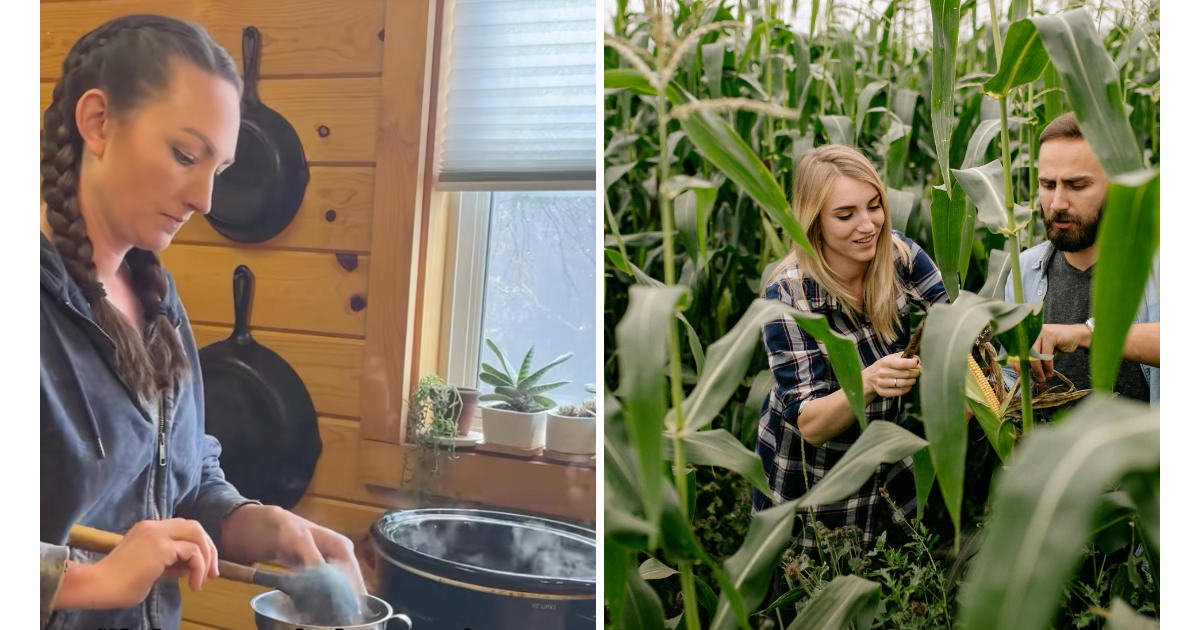
She starts by describing how everyday life used to include more hands-on habits. Families cooked meals from scratch, grew some of their own food, and relied on simple methods to care for themselves. These weren’t special routines, but part of how life naturally worked. Over time, those habits became less common as faster options took their place.
She connects this shift to how people feel today, especially when it comes to stress and health. As a dietitian, she highlights how food plays a major role in long-term well-being. She mentions that even institutions like the Mayo Clinic recognize that a portion of serious illnesses is linked to diet and lifestyle. That connection gives weight to what might otherwise sound like a general observation.
What It Means in Real Life
What she’s describing shows up in everyday choices that don’t feel significant on their own. Grabbing something quick instead of cooking, staying seated instead of moving, or choosing convenience over preparation becomes part of a routine. These decisions feel small in the moment, but they repeat often enough to shape how people feel over time.
It also explains why many people feel disconnected from basic habits that once felt normal. Cooking, walking, or even growing food can start to feel like extra effort instead of part of daily life. That shift changes how people relate to their own routines. It turns simple actions into something that feels optional rather than essential.
Why This Shift Happened
Convenience didn’t replace these habits by accident. It grew because it made life easier and more efficient, especially as schedules became busier. Over time, that ease became the default, and older habits slowly faded into the background. The change feels subtle, but it reshaped how people approach everyday living.
According to insights often referenced by the Mayo Clinic, lifestyle factors like diet play a significant role in long-term health outcomes. That reinforces the idea that daily habits are not as small as they seem. When convenience replaces those habits consistently, the effects build gradually. It’s not one big change, but many small ones moving in the same direction.
How People Are Starting to Respond
More people are beginning to notice how their routines affect how they feel. There’s a growing interest in bringing back simple habits, not as a trend, but as a way to feel more balanced. Cooking a few more meals at home or taking short walks during the day are examples that don’t require major changes.
These adjustments tend to work because they fit into existing routines rather than replacing them entirely. They don’t demand a full lifestyle overhaul, which makes them easier to stick with. Over time, they start to feel natural again instead of like extra effort. That shift is what makes the change sustainable.
Would You Trade a Little Convenience for Health?
Changing routines doesn’t always mean doing everything differently at once. It often starts with one small decision that gradually becomes a habit. The challenge is choosing where to begin without feeling overwhelmed by everything else.
Convenience will always be part of modern life, but it doesn’t have to replace every other option. There’s room to keep what works while adding back what’s been lost. So the question becomes simple. Would you start with one small change, or keep things exactly as they are?
More from Willow and Hearth:
Leave a Reply