There’s a certain stereotype that follows cat owners, and it’s usually said half as a joke and half as something people quietly agree with. In a TikTok video, @ali_be_yappin leans into that idea by calling cat owners lazy, while also admitting she’s one of them. That self-awareness changes how the statement lands, because it feels less like criticism and more like someone joking about their own habits. It immediately pulls you in because it sounds bold but still relatable.
What makes it stick is how quickly people can connect it to real-life behavior once they hear it. Cat owners don’t usually describe themselves this way, but the idea starts to make sense in small, everyday moments. The humor comes from recognizing those patterns without taking them too seriously. It turns a stereotype into something that feels personal instead of offensive.
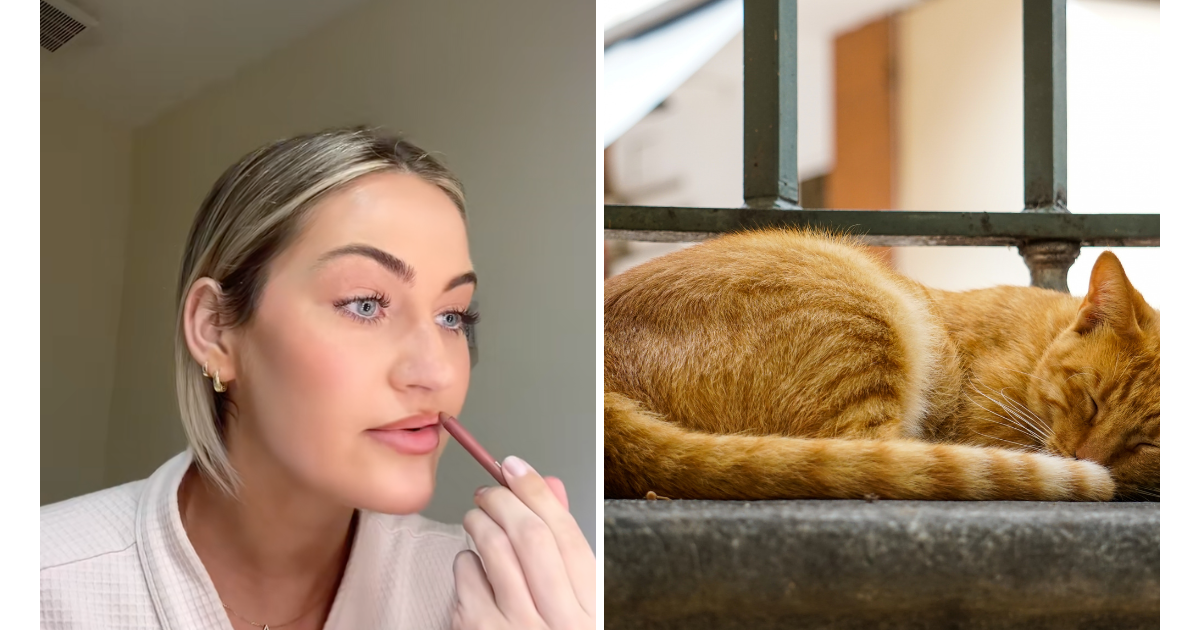
What the Video Shows
She makes it clear early on that she owns a cat herself, which sets the tone for everything that follows. The point isn’t to judge cat owners from the outside, but to describe something she has noticed firsthand. That detail makes the argument feel more honest, even though it is exaggerated for humor. It creates a sense that she is in on the joke rather than pointing fingers.
Her main claim is simple, which is that cat owners tend to be lazy because cats are low-maintenance. Unlike dogs, they don’t need walks, constant attention, or structured routines throughout the day. That difference changes how much effort goes into daily pet care and planning. Over time, that easier routine becomes part of the owner’s lifestyle.
She leans into that contrast to explain why the stereotype exists in the first place. When your pet is independent, your day doesn’t revolve around them in the same way. That freedom can feel like convenience, especially compared to more demanding pets. Eventually, those adjustments stop feeling like choices and start feeling normal.
What It Means in Real Life
Owning a cat often means your routine feels more flexible compared to other pet owners. You don’t have to plan your day around walks, strict schedules, or constant supervision. That flexibility can make life feel easier and more relaxed overall. From the outside, though, it can sometimes look like a lack of effort.
At the same time, cat owners still adjust their lives in quieter ways that aren’t always obvious. You might leave certain spaces untouched because your cat likes them a certain way. You might also change small habits to avoid disrupting their routine. These details show that effort exists, even if it doesn’t look the same.
It’s less about doing nothing and more about doing things differently. The care is there, but it’s not always visible in structured routines. That’s what makes the stereotype feel both accurate and slightly misleading. It captures part of the truth without telling the whole story.
Why This Idea Works
The take works because it’s exaggerated just enough to be funny without feeling harsh. Calling a whole group lazy sounds dramatic, but including herself softens the impact. It turns the statement into something people can laugh at rather than immediately reject. That balance is what keeps viewers engaged.
It also taps into a real difference between pet types and lifestyles. Cats are known for being independent, which naturally attracts people who prefer that kind of dynamic. That preference shapes daily habits in subtle but noticeable ways. Over time, those habits become part of how people define themselves as pet owners.
Because of that, the joke feels grounded even if it isn’t completely accurate. It simplifies a more complex relationship into something easy to understand. That simplicity makes it easy to share and react to. It becomes less about truth and more about recognition.
How Cat Owners Actually See It
Most cat owners wouldn’t describe themselves as lazy, even if they understand the joke behind it. They see their routines as practical and suited to their lifestyle rather than lacking effort. Choosing a pet that requires less structure doesn’t mean avoiding responsibility. It simply reflects a different way of living.
There’s also a level of awareness that comes with owning a cat. Knowing when to engage and when to give space becomes part of the experience. That balance takes attention, even if it looks effortless from the outside. It’s a different kind of care that isn’t always obvious.
In many cases, the relationship feels balanced rather than one-sided. The cat maintains its independence, and the owner respects that space. That dynamic is what makes cat ownership feel unique. It’s less about control and more about coexistence.
Do You Think Cat Owners Are Actually Lazy?
Once you hear the idea, it’s hard not to compare it to your own experience or someone you know. Some parts might feel accurate, while others don’t seem to fit at all. That mix is what makes the conversation interesting rather than one-sided. It encourages people to reflect instead of simply agree or disagree.
It also depends on how you define effort when it comes to pets and routines. Some people prefer structure and constant interaction, while others prefer something more relaxed. Neither approach is better, just different in how it plays out. That difference shapes how the stereotype is interpreted.
So the question becomes simple and personal. Do you think cat owners are actually lazy, or is that just a funny way of describing a different kind of lifestyle?
More from Willow and Hearth:
Leave a Reply