There’s something oddly satisfying about hearing someone say what everyone else is quietly thinking. Certain home décor trends look great in theory, but once you see them repeated enough times, they start to feel a little off. In a TikTok video, @katefuller leans into that feeling and shares a few design choices she simply doesn’t like, while also explaining how to fix them. The mix of honesty and practicality is what makes the whole thing land.
It doesn’t come across as harsh, even though she uses strong opinions throughout the video. Instead, it feels like someone pointing out small details that can completely change how a space feels. These are the kinds of details people notice but don’t always know how to explain clearly. That balance between critique and solution keeps the conversation engaging rather than negative.
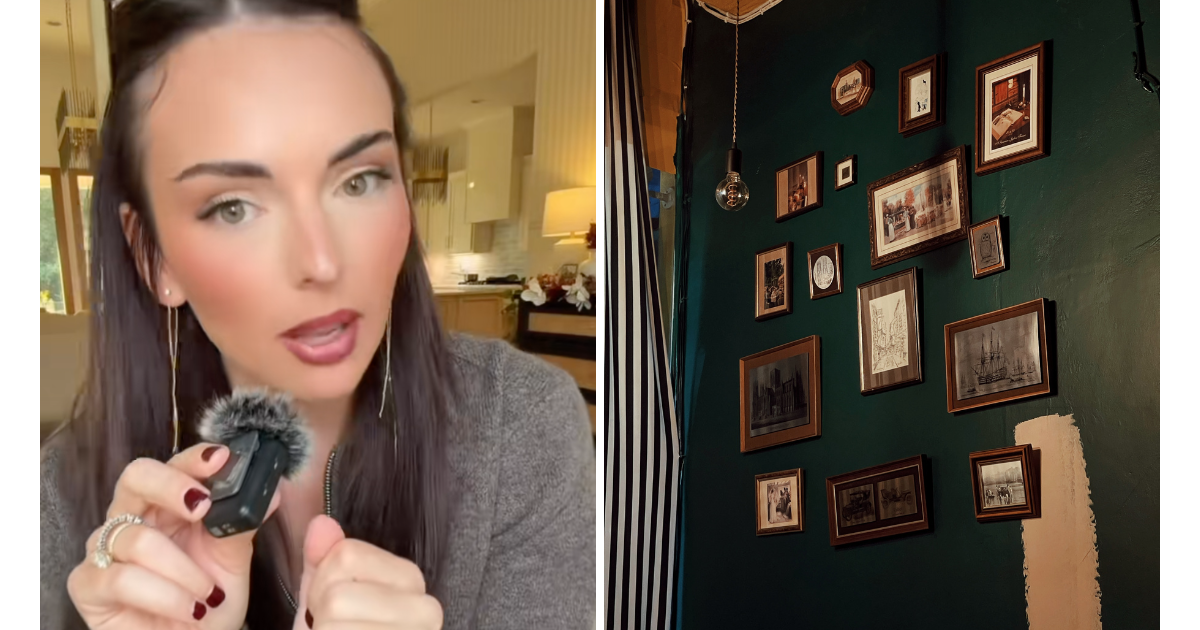
What the Video Shows
She starts with olive trees, which have become a staple in many interiors over the past few years. The issue isn’t the idea of them, but how they’re often executed in real homes. Tall, thin, slightly awkward-looking versions show up in corners where they don’t quite fit the space. Once you notice it, it becomes one of those details you can’t unsee.
Her suggestion is simple but makes a noticeable difference in how the space feels overall. If you’re going to use one, choose a fuller and more natural-looking version instead of something sparse. The goal is to bring life and movement into the room rather than fill an empty spot. That one change can shift the entire mood of the space without requiring a redesign.
She moves on to lighting, which she treats as one of the most important elements in any home. Harsh overhead bulbs can make even a well-decorated room feel cold and uninviting. The kind of lighting that feels bright but uncomfortable can flatten everything in the space. Switching to warmer lamps and softer light sources creates a completely different atmosphere.
What It Means in Real Life
These examples show how small design choices can shape how a room feels day to day. A space can have beautiful furniture and still feel slightly off because of lighting or finishing details. It’s often not the big pieces that create the issue, but the smaller elements that go unnoticed. That’s why these kinds of adjustments can have such a strong impact.
It also highlights how trends can lose their effect when they’re repeated without much thought. What starts as a stylish idea becomes less effective when it’s copied the same way everywhere. The result is a space that looks familiar but not necessarily personal. That’s where things begin to feel more staged than lived-in.
Looking at your own space with this perspective can change how you approach decorating. Instead of focusing only on what to add, you start paying attention to how things actually feel. That shift makes it easier to spot what’s working and what isn’t. Over time, those small observations lead to better decisions.
Why These Trends Miss the Mark
Trends like olive trees or gallery walls become popular because they’re easy to copy and widely shared. They give people a quick way to update a space without needing to rethink everything. The downside is that they’re often added without adjusting them to fit the room they’re in. That’s when they start to feel slightly out of place.
Design sources like Architectural Digest often highlight how lighting and proportion affect the overall feel of a space. When those elements are off, even well-chosen décor can fall flat. A harsh light or an oddly scaled plant can shift the entire atmosphere. That’s why these details matter more than people expect.
It’s not that these trends are inherently bad or should be avoided completely. They just need more attention than they usually get in practice. When done thoughtfully, they can still work and even elevate a space. The difference comes down to how they’re used.
How People Actually Decorate
Most people decorate gradually rather than all at once, which naturally leads to a mix of styles and ideas. They pick things they like, try trends they’ve seen, and adjust over time. This process makes homes feel personal, but it can also create small inconsistencies. Those inconsistencies are often where these issues show up.
Gallery walls are a perfect example of this pattern in real life. They often start with a few frames and grow without a clear plan, which can make them feel uneven. Without structure, they can quickly look cluttered instead of intentional. Small adjustments like matching tones or aligning frames can change that completely.
At the same time, most people aren’t aiming for perfection in their homes. A space is meant to be lived in, not just styled for photos. That’s why these tips work best when they’re applied lightly. The goal is improvement, not perfection.
Do You Agree With These “Hates”?
Hearing someone call out popular trends can feel refreshing, especially when it’s done in a light and playful way. It makes you look at your own space a little differently and notice things you might have ignored. Sometimes it confirms what you already felt but couldn’t explain clearly. Other times, it makes you rethink choices you hadn’t questioned before.
At the same time, not everyone will agree with every point she makes in the video. What feels off to one person might feel perfectly fine to someone else. Personal style plays a big role in how these choices are perceived. That’s what makes the conversation interesting rather than one-sided.
So the question becomes simple and personal. Do you think these trends need a rethink, or do you feel like they still work just fine the way they are?
More from Willow and Hearth:
Leave a Reply