A dad says he wants to cook Persian meals for his sons to help keep their cultural roots alive, but he’s unsure where to start and is looking for simple, approachable recipes. Inspired by his partner’s heritage and his mother-in-law’s cooking, he hopes to recreate those flavors at home in a way that’s manageable for a beginner.
The heartfelt request, shared on r/Cooking, quickly gained attention for its sincerity. Many users offered encouragement, recipes, and resources—turning the thread into a helpful starting guide for Persian home cooking.
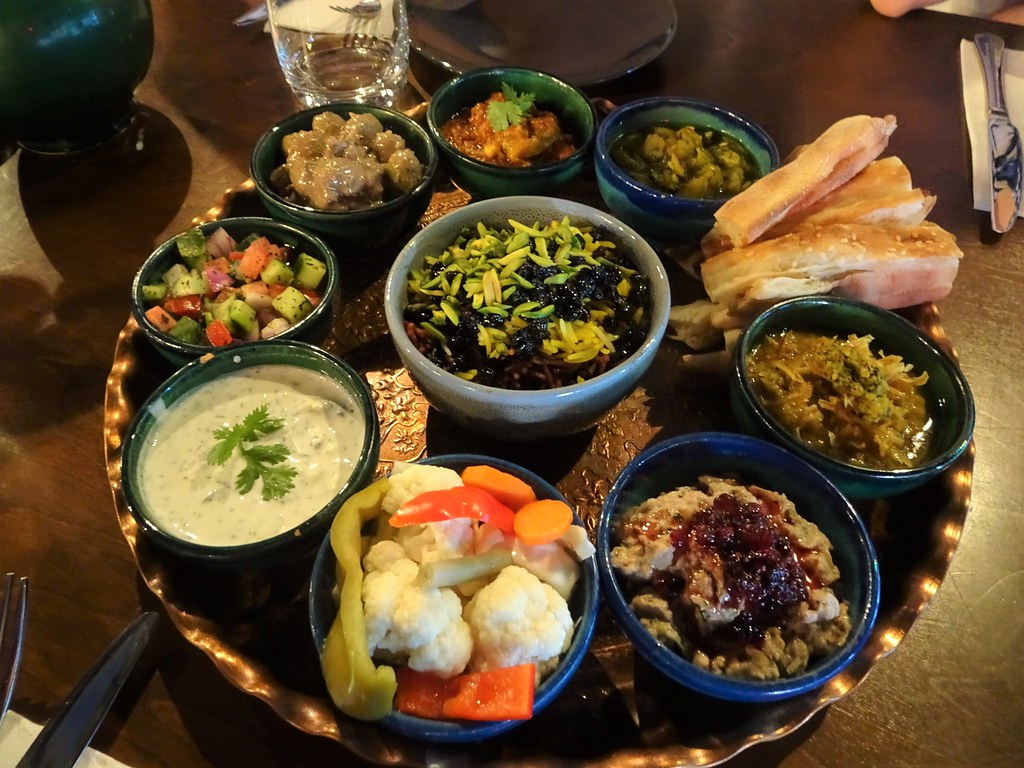
A Personal Mission to Preserve Culture Through Food
According to the original post on Reddit, the father wants his children to grow up connected to their Persian (Iranian) background. While he deeply appreciates the cuisine, he admits he doesn’t yet know how to cook it himself.
Food is often one of the strongest links to cultural identity. Preparing traditional meals at home can help children:
- Stay connected to their heritage
- Build family traditions
- Experience culture in a daily, meaningful way
That motivation resonated strongly with readers, many of whom praised the effort.
Starting Simple: Beginner-Friendly Persian Dishes
Instead of diving into complex recipes, commenters recommended starting with a few accessible dishes that still capture authentic flavors.
Some of the most suggested beginner options included:
- Kuku Sabzi – a herb-packed Persian-style frittata
- Joojeh Kabab – saffron and lemon marinated chicken
- Salad Shirazi – a fresh cucumber, tomato, and onion salad
- Mast o Khiar – yogurt with cucumber and herbs
These dishes are relatively simple, require fewer steps, and still deliver the essence of Persian cooking.
Iconic Dishes Worth Learning Over Time
While beginners can start small, many users are encouraged gradually work up to more iconic meals that define Persian cuisine.
Popular mentions included:
- Ghormeh Sabzi – a rich herb stew often considered a national dish
- Fesenjan – chicken in a pomegranate and walnut sauce
- Tahchin – baked saffron rice with a golden crust
- Tahdig – the famous crispy rice layer at the bottom of the pot
These dishes may take more time and technique, but they’re deeply tied to family traditions and celebrations
Trusted Resources for Authentic Recipes
Many commenters emphasized the importance of using reliable sources rather than generic recipe sites. Some of the most recommended resources included:
- Persian-focused cooking websites like “Persian Mama.”
- YouTube creators specializing in Iranian cuisine
- Traditional cookbooks such as Foods of Life
These sources were praised for offering more authentic flavors and techniques compared to general cooking platforms.
Balancing Authenticity With Simplicity
One recurring theme in the discussion was that Persian cooking can be as simple or as detailed as you make it. Some dishes have long, traditional methods, but they can often be simplified for everyday cooking.
For example:
- A complex dish can be reduced to fewer steps
- Ingredients can sometimes be adapted based on availability
- Techniques improve naturally with practice
This flexibility makes it easier for beginners to start without feeling overwhelmed.
Internet Reactions: Supportive and Encouraging
Despite a few negative comments, the overall response was overwhelmingly positive. Many users appreciated the father’s intention and effort to learn.
Common reactions included:
- Praise for wanting to honor his children’s culture
- Personal recipe suggestions and tips
- Offers to share family recipes directly
The thread became less about cooking skills and more about the meaning behind the effort.
The Bigger Takeaway
This story highlights how food can act as a bridge between generations and cultures. Even simple meals can carry deep meaning when they connect families to their roots.
It also shows that you don’t need to master everything at once. Starting small, staying consistent, and learning over time can be enough to build something meaningful.
More from Willow and Hearth:
Leave a Reply