A thriving indoor garden rarely draws concern until something shifts in a way that feels hard to explain. When plants that have been stable for years begin reacting all at once, the change doesn’t feel random, even if there is no obvious cause. That uncertainty is what makes situations like this stand out, because everything looks right on paper, yet something is clearly going wrong.
The discomfort grows when the usual solutions don’t line up with what you’re seeing. Each plant starts showing slightly different symptoms, and the answers begin to feel inconsistent depending on where you look. What should be a straightforward problem slowly turns into something more layered, where small details start to carry more weight than expected.
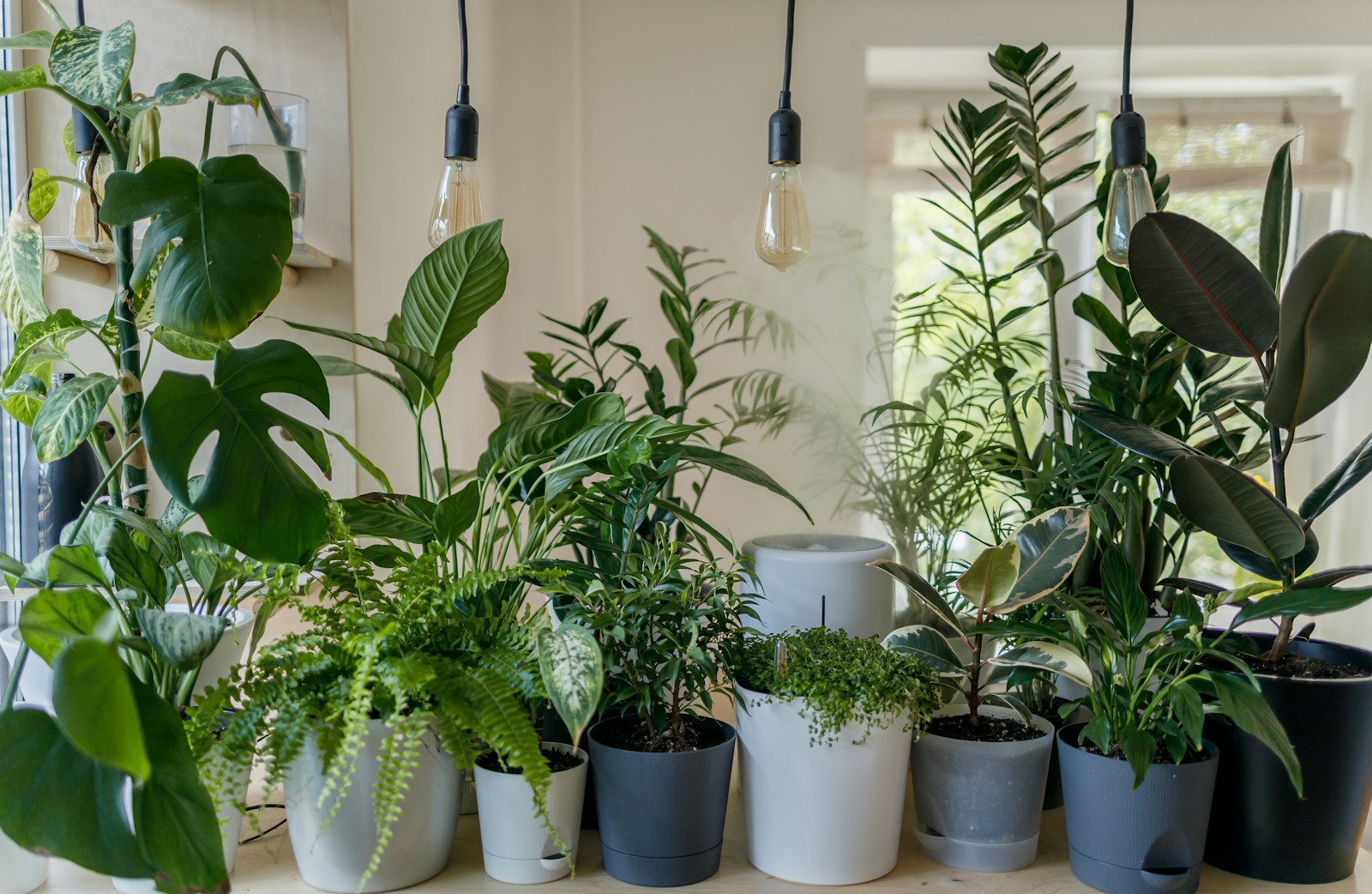
A Setup That Had Always Worked
The plant owner described having a well-established indoor setup, one that had been consistent for more than four years without major issues. The room offered strong natural light from a large east-facing window, supported by grow lights that ran overnight to maintain balance. Temperature stayed between 69 and 72 degrees, while humidity levels remained comfortably within the 60 to 70 percent range.
Watering followed a structured system using self-watering pots, where reservoirs at the bottom supplied moisture over a period of seven to ten days. This setup had removed the guesswork from daily care and made it easier to maintain stability. Because everything had been working for so long, there was no immediate reason to suspect the environment itself had changed.
The plants themselves reflected that consistency until recently. Pothos, monstera, and other houseplants had grown steadily without signs of stress. That history made the sudden shift feel more significant, as if something had disrupted a balance that had been reliable for years.
Subtle Changes That Became Hard to Ignore
The first signs did not point clearly to one issue. Leaves began changing in unusual ways, with patterns that didn’t match typical problems like simple overwatering or lack of light. The monstera showed strange discoloration that felt unfamiliar, while the pothos leaves started yellowing and browning before dropping faster than expected.
What made it more confusing was that these symptoms appeared across multiple plants, rather than staying isolated. It created the sense that something broader was affecting the environment, rather than a single plant reacting to its own conditions. That kind of spread tends to shift attention away from individual care and toward something shared.
The pace of change also added to the concern. Losing a leaf here and there can feel normal, but when it starts happening quickly, it creates a different kind of urgency. It becomes harder to wait and observe when the plants appear to be declining in real time.
The Discovery That Raised More Questions
Around the same time, a fungus gnat infestation became noticeable. These small pests appeared within weeks, and their presence introduced a new variable into the situation. While fungus gnats are often seen as a minor annoyance, their larvae live in the soil and can affect root systems when populations grow.
The timing made it difficult to ignore the connection. A hydrogen peroxide drench was applied to address the issue, using a diluted mixture to target larvae in the soil. This step felt logical, but it didn’t fully explain the range of symptoms appearing across different plants.
What complicated things further was the recent addition of a new monstera plant. It seemed like the most likely source of the infestation, which raised the possibility that the issue had been introduced rather than developed over time. That detail shifted the focus toward how one change could affect an entire setup.
When the Cause Isn’t Immediately Clear
Even with a suspected source, the situation didn’t resolve into a single explanation. Fungus gnats alone rarely cause dramatic leaf drop unless the infestation is severe, which made the damage feel disproportionate. That opened the door to other possibilities, including overlapping issues that were harder to separate.
One comment pointed toward a different concern entirely. The unusual silvering on the monstera leaves led bedfordblack to suggest, “the silver on the monstera makes me think thrips,” introducing the idea of a second pest. That possibility changed the direction of the investigation, as thrips are known to cause visible leaf damage and can spread quickly if not addressed.
The reaction from the plant owner reflected how overwhelming that realization can feel. Discovering one issue is manageable, but realizing there may be multiple at once creates a different level of uncertainty. It becomes less about finding a quick fix and more about understanding how several factors might be interacting.
Why This Situation Feels So Relatable
Situations like this resonate because they reflect how unpredictable plant care can be, even in controlled environments. When everything has been stable for years, it’s easy to assume that the system is reliable. A sudden shift challenges that assumption and forces a closer look at details that were previously taken for granted.
There is also a broader frustration that comes from conflicting information. Different apps, guides, and advice can point to different causes, making it harder to feel confident in any one solution. That sense of uncertainty is something many plant owners recognize, especially when symptoms don’t fit neatly into one category.
The emotional side of it matters as well. Watching plants decline quickly creates a sense of urgency, especially when they have been part of your space for years. It turns a routine part of daily life into something that feels unexpectedly fragile.
How People Are Interpreting the Situation
The responses reflected a mix of concern and practical advice, with many focusing on pests as the most likely explanation. The suggestion from bedfordblack about thrips stood out because it offered a specific direction, shifting the conversation from general stress to a targeted issue. That idea gained attention because it aligned with the unusual leaf patterns described.
Others focused on the fungus gnat infestation, acknowledging that while they are often underestimated, larger populations can contribute to root stress. Some pointed out that combining pest issues could explain why the symptoms appeared across multiple plants at once. That layered perspective helped make sense of why the situation felt more severe than expected.
At the same time, there was a shared understanding of how frustrating it is to face multiple possibilities without a clear answer. The conversation didn’t settle on one definitive cause, but it did highlight something important. When plants start reacting all at once, it’s rarely just one issue, and figuring that out is often the hardest part.
More from Willow and Hearth:
Leave a Reply