
Not long ago, tipping was pretty predictable: restaurants, bars, haircuts, taxis. You could practically do the mental math on autopilot. Now, tip prompts are showing up in places that used to be blissfully tip-free, and the awkward “It’s just going to ask you a question…” moment has become its own modern ritual.
Part of it is simple technology: those tablet checkout screens make it easy to add a tip option everywhere. Part of it is economic pressure, too—wages, fees, and operating costs keep rising, and businesses are trying to patch the gap. Still, when you’re buying something that feels more like retail than service, the tip request can feel like a surprise pop quiz.
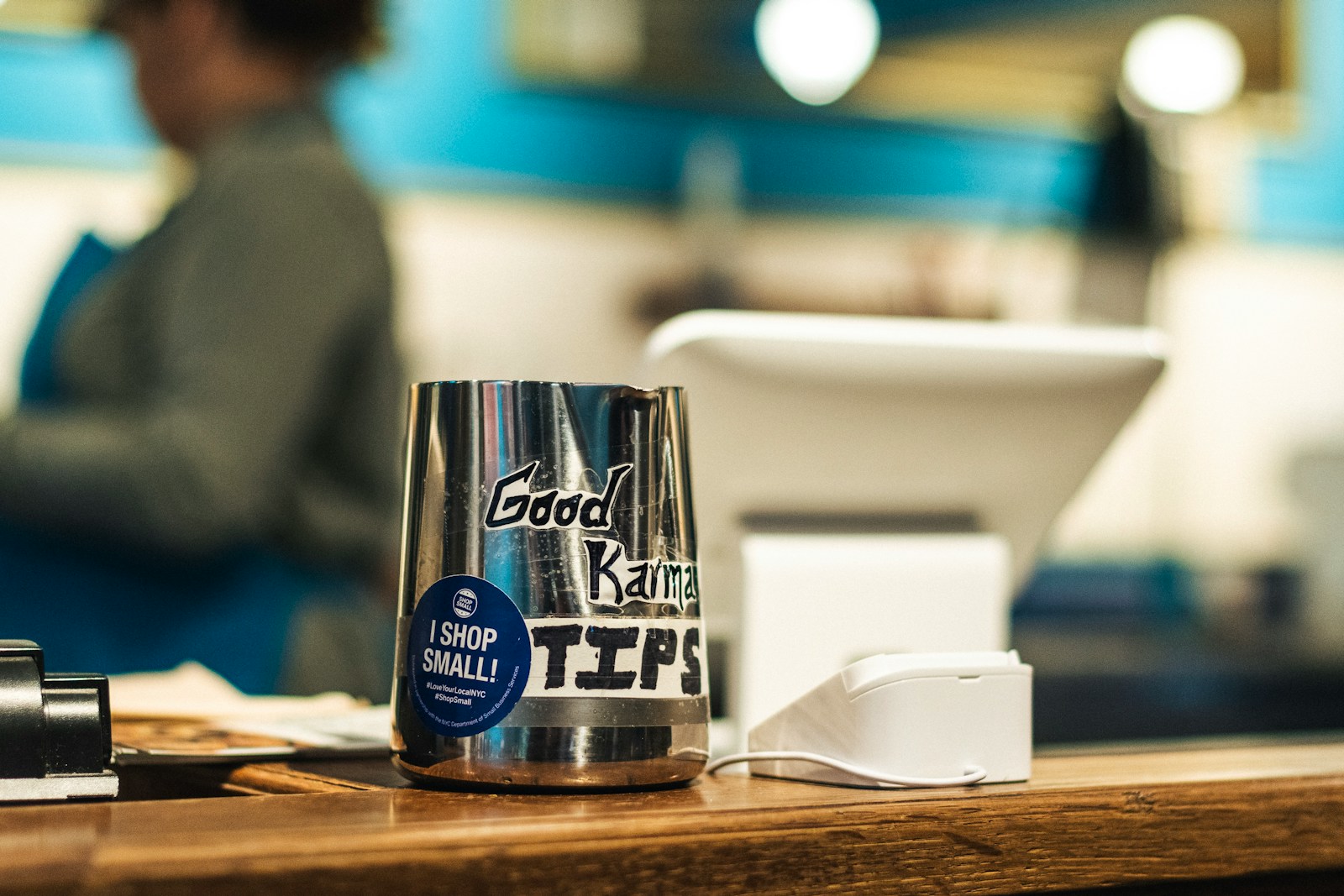
1) Retail checkout screens (yes, even for a T-shirt)
One of the biggest “Wait, what?” moments happens at ordinary retail counters—think boutique clothing stores, gift shops, candle places, and even some plant stores. You bring a few items to the register, the cashier rings you up, and the card reader flips around with tip buttons staring back at you. For a lot of people, it feels like tipping for… scanning a barcode.
To be fair, some retail staff do provide real help: finding sizes, putting together outfits, carrying items, special ordering, or wrapping gifts. But the tip prompt doesn’t usually explain what it’s for, and that ambiguity is where the discomfort lives. If you got hands-on assistance, you might tip; if you didn’t, skipping it is completely normal—even if the screen tries to make “No Tip” look like the smallest option on the menu.
2) Quick-service food and coffee that barely involves “service”
We’re used to tipping baristas and counter staff when there’s real craft involved, or when someone is customizing your order. But tip prompts have expanded into the fastest of fast-casual: you grab a bottled drink, pick up a pre-made sandwich, and tap your card… and there it is. Suddenly you’re being asked to tip before you’ve even taken a bite.
There’s also the “pre-tip” issue: the screen asks for a tip while you’re still hopeful your order will be correct. People don’t love paying extra for a future outcome they can’t evaluate yet, especially if the interaction was basically a quick handoff. If you’re a regular and want to support the staff, tipping makes sense; if the experience felt like vending-machine speed, a no-tip choice isn’t rude—it’s just honest.
3) Self-checkout kiosks and digital pick-up counters
Nothing captures the modern tipping confusion quite like a self-checkout screen requesting a tip. You scan your own items, bag them yourself, and the machine still offers 15%, 20%, 25% as if it personally recommended the best avocados. It’s hard not to laugh, because it’s also a little absurd.
Some businesses argue the tips go to staff who stock, prep, or support the area, especially in markets with prepared foods. That’s a real job, and it matters. But when the tipping moment is attached to a fully self-directed process, people naturally question what they’re tipping for—and whether it’s a backdoor surcharge rather than a thank-you for service.
4) Service appointments that already feel pricey (and sometimes already include fees)
Beauty and personal care have long been tip territory, but now the tip prompts are popping up in more “clinical” or fee-heavy appointments—think med spas, cosmetic add-ons, boutique fitness recovery services, and even some wellness clinics. You’ve already paid a premium price, you might be staring at a “service fee” line item, and then the tip screen appears anyway. That’s a lot of math for someone lying on a table in a robe.
The tricky part is that these places can blend different roles: a licensed professional providing a treatment, plus front-desk staff, assistants, and post-care support. Some offices explicitly say tipping isn’t expected; others quietly encourage it via the payment flow. If you’re unsure, it’s completely reasonable to ask, “Is gratuity customary here, or is staff already compensated through the service charge?”—a polite question that saves you from guessing.
5) Home services and deliveries that used to be “optional” but now feel implied
Delivery has always been a tipping category, but the expectations have gotten messier as more services join the party. Groceries, big-box store deliveries, meal kits, furniture drop-offs, prescription deliveries, and app-based courier runs can all come with tip prompts—sometimes before the driver even arrives. And if you’ve already paid a delivery fee, a fuel surcharge, and a “service fee,” it can feel like the receipt is playing tip roulette.
Then there are home services: cleaners, movers, handymen, dog groomers who come to you, and the person who installs the thing you bought online. Tipping has always existed here, but now it’s increasingly built into the payment process, which makes it feel less like a bonus and more like a requirement. A helpful rule of thumb many people use is to tip for effort and difficulty—heavy lifting, stairs, bad weather, urgent timing, or someone going beyond the basics—while not feeling obligated when the experience is standard and already well-paid.
Why tip requests are spreading (and why they feel so awkward)
Tip prompts are everywhere for one main reason: they’re easy to add. Modern point-of-sale systems can enable tipping with a setting, and businesses like the flexibility of letting customers “contribute” without raising listed prices. For workers, tips can meaningfully boost take-home pay, especially in jobs where hourly wages haven’t kept up with costs.
The awkwardness comes from the social pressure baked into the moment. The screen is bright, the buttons are bold, and someone is often standing right there waiting while you decide how generous you feel in public. When tipping expands into situations that don’t clearly involve service, people aren’t just choosing a number—they’re choosing what kind of person they want to appear to be for the next three seconds.
How to handle it without overthinking your whole personality
If the tip feels deserved because someone genuinely helped you, tip confidently and move on with your day. If it doesn’t, hitting “No Tip” or selecting a custom amount (even $0) is a normal choice, not a moral failure. You’re not breaking a rule; you’re responding to a request.
When you’re unsure, look for clues: is it a service job, did someone spend time helping you, and are there already fees that sound like they cover labor? If you still can’t tell, asking a simple question is fair—and honestly, businesses that rely on tips should be able to explain why. The goal isn’t to never tip; it’s to tip on purpose, not out of surprise.
More from Willow and Hearth:
Leave a Reply