
Home appraisals have a funny way of feeling personal, even though they’re mostly math, market data, and a clipboard. One day you’re proud of your place, the next you’re wondering why the number came in lower than you expected. Appraisers aren’t “grading” your taste, but they are noticing things that signal condition, maintenance, and risk.
The tricky part is that the value killers aren’t always dramatic disasters like a caved-in roof. Often, it’s the small, easy-to-ignore stuff that quietly nudges an appraisal down. Here are six of the biggest offenders appraisers mention again and again.
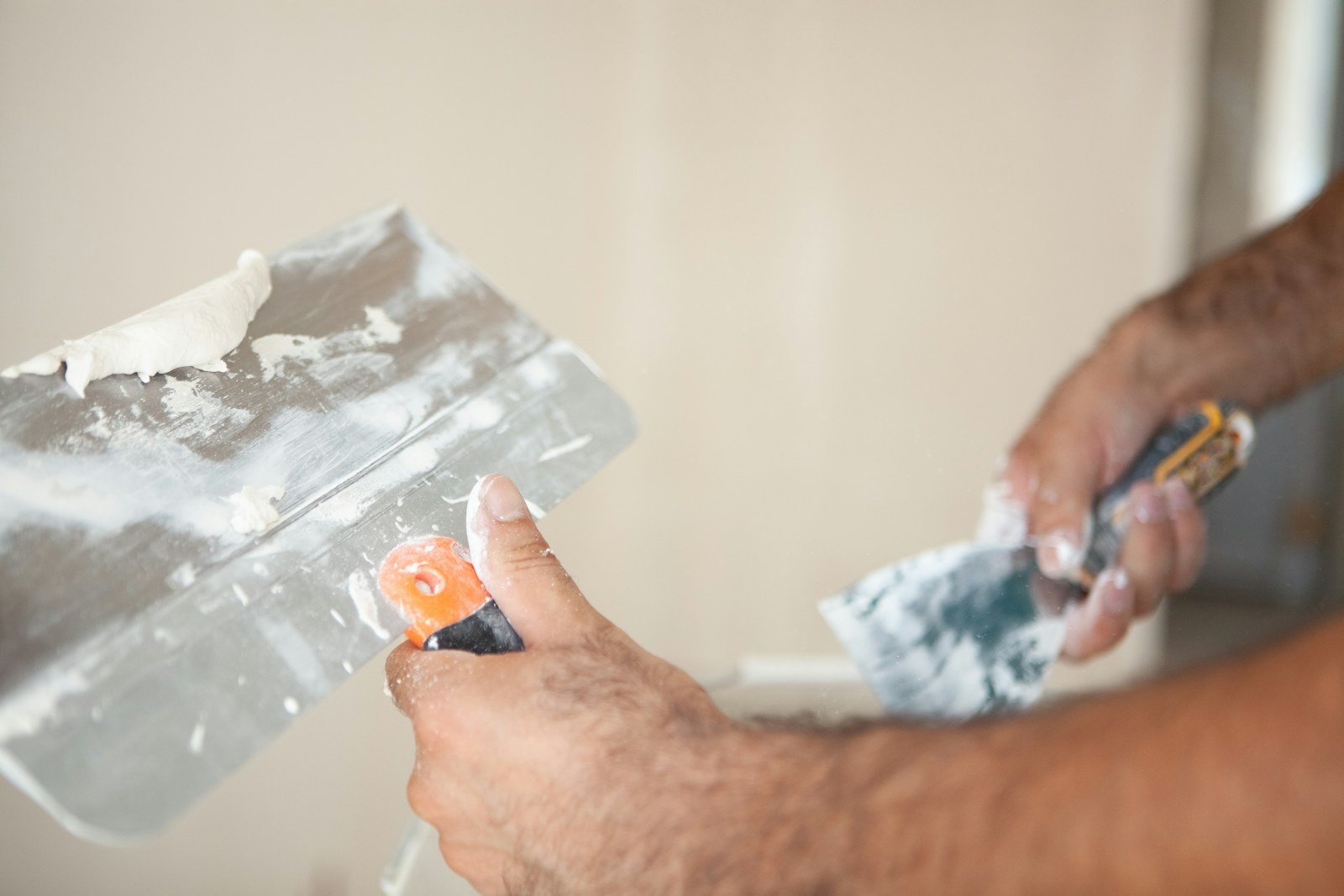
1) Deferred maintenance that whispers “more problems inside”
A loose handrail, peeling paint, a leaky faucet, a missing outlet cover—these look minor, but they can read like a pattern. Appraisers pay attention to condition because buyers do, and because lenders care about habitability and safety. When little fixes pile up, it suggests bigger maintenance might’ve been skipped, too.
Even if everything major is fine, the impression can still affect how your home stacks up against comparable sales. Think of it like a restaurant bathroom: if the small stuff is messy, people assume the kitchen might be, too. A weekend of tightening, patching, and touching up can protect more value than you’d expect.
2) “Updates” that aren’t really updates (or aren’t finished)
There’s a big difference between renovated and “halfway there.” A kitchen with new counters but old, damaged cabinets, or a bathroom with a modern vanity next to worn flooring, can feel like a work in progress. Appraisers don’t award extra credit for good intentions; they evaluate what exists on the day they visit.
Unfinished projects are especially costly because they introduce uncertainty. If the buyer has to budget time and money to complete the work, that tends to show up as a lower price—and appraisals follow market behavior. If you can’t finish everything, prioritize what looks incomplete at a glance: trim, flooring transitions, paint edges, and missing hardware.
3) Curb appeal issues that set a low bar before anyone walks in
No, appraisers don’t value your home based on vibes alone. But first impressions still matter because visible exterior condition is part of the overall condition rating, and it influences how a typical buyer would react. Overgrown landscaping, a tired front door, stained siding, or a driveway with weeds growing through cracks can quietly drag the “condition” bucket downward.
Exterior problems can also hint at bigger ones. Peeling exterior paint can raise questions about moisture; clogged gutters can suggest water management issues; a sagging fence might imply deferred upkeep throughout. The fix is rarely glamorous, but it’s usually straightforward: tidy the yard, clean surfaces, and handle the obvious repairs you’ve learned to ignore.
4) Strong odors and pet wear that signal “deep cleaning and replacement”
It’s awkward, but it’s real: smell has a price tag. Smoke, heavy cooking odors, mildew, and strong pet smells can imply lingering damage in carpets, subfloors, HVAC systems, or drywall. Appraisers aren’t there to critique your lifestyle, but they do note factors that affect marketability and perceived condition.
Pet damage is a double whammy because it’s both visible and “potentially everywhere.” Scratched doors, chewed trim, stained flooring, and worn carpet edges can lead buyers to assume hidden issues. A professional deep clean, ozone treatment (used safely), fresh filters, and targeted flooring repairs can keep a sniff test from turning into a value haircut.
5) Poor lighting and clutter that make spaces feel smaller than they are
Appraisers measure your square footage, so clutter doesn’t change the math. But it can affect how the home’s utility and condition are perceived, especially when rooms look cramped or storage seems limited. If the appraiser can’t easily access areas like closets, the attic hatch, the water heater, or the electrical panel, they may note restricted access or make more conservative assumptions.
Lighting plays into this more than people realize. Dark rooms show flaws, highlight dated finishes, and make ceilings feel lower—even if none of that is technically true. Open curtains, replace dim bulbs with brighter (but not surgical) lighting, and clear pathways so the house reads as easy to live in, not hard to navigate.
6) Missing documentation on upgrades that actually matter
This one catches homeowners off guard: you can do real improvements and still not get full value if there’s no paper trail. Items like a new roof, HVAC, windows, insulation, electrical updates, or foundation work can influence condition and effective age—but appraisers need credible info. If the appraiser can’t verify what was done and when, they may treat it as older or average for the neighborhood.
You don’t need a novel, just proof. Save invoices, permits, warranties, and a short list of upgrades with dates and contractors. Handing over a clean one-page summary during the visit can be the difference between “sounds nice” and “supported adjustment.”
What appraisers wish homeowners knew (but don’t always say out loud)
Most appraisals are built on comparable sales, not personal preferences. But the condition you present can influence which comps feel truly comparable and how adjustments are applied. In other words, two houses with the same square footage can land at different values if one looks well-maintained and the other looks like it’s collecting “someday” projects.
If you’re trying to protect your value, focus on being “boringly solid.” Fix what’s broken, finish what’s started, clean like a buyer is coming tomorrow, and document the expensive stuff you’ve already handled. It’s not about perfection—it’s about removing reasons for the market to discount your home.
More from Willow and Hearth:
Leave a Reply