
Overwintering potted plants can feel tricky, especially when temperatures drop and the weather gets harsh. You want your plants to survive the cold months and come back healthy in spring, but keeping them protected takes a bit of know-how and care.
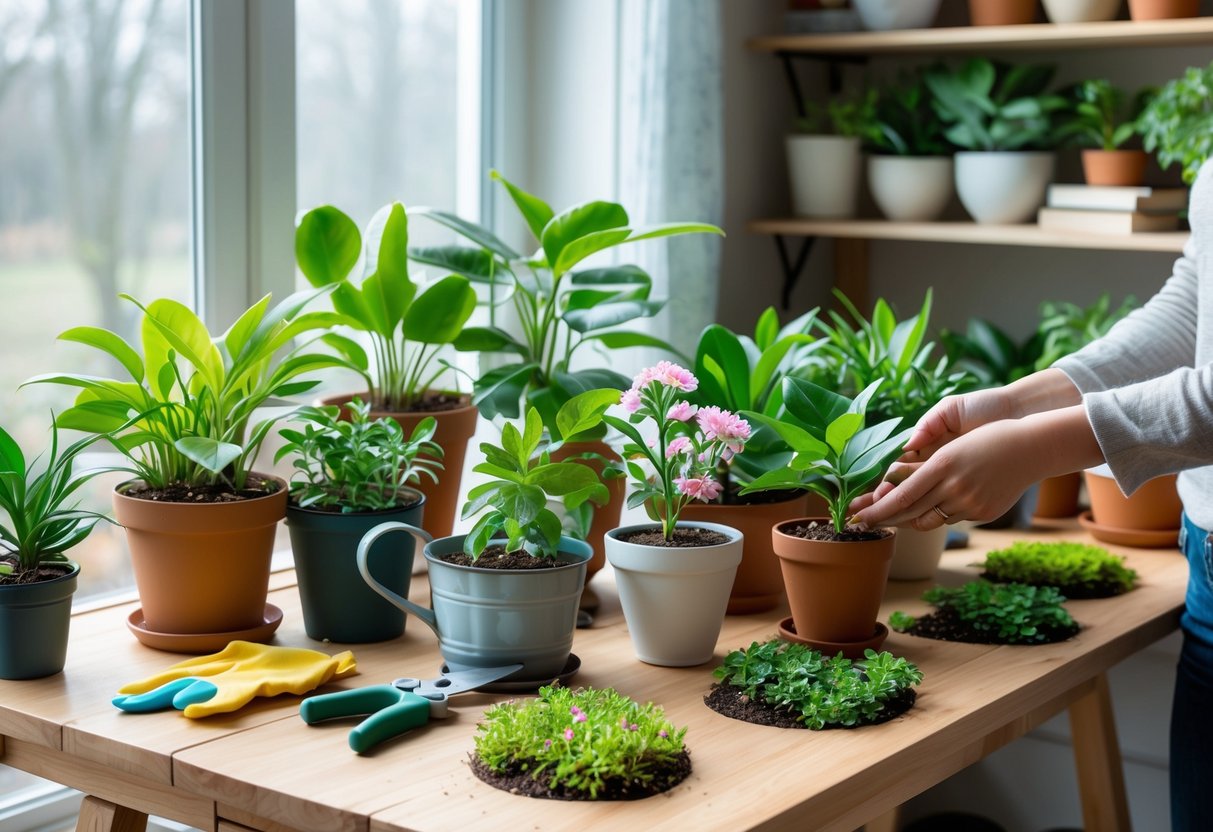
The key to successful overwintering is giving your plants the right environment and attention through winter to help them thrive when warmer days return. With the right approach, you can keep many perennials and shrubs healthy all winter long, even if they’re in containers.
Choose cold-hardy plants like rosemary or hibiscus for easier overwintering
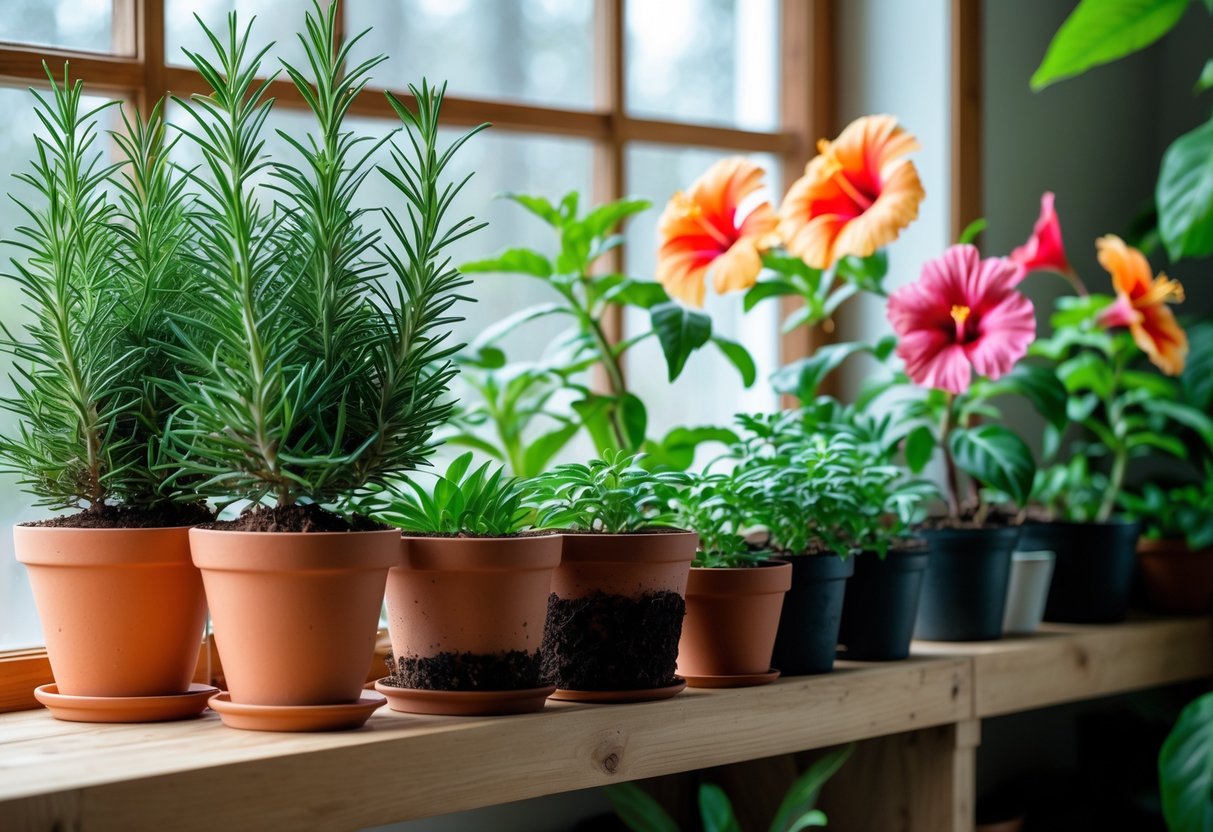
If you want less hassle, pick plants that are naturally tough in cold weather. Rosemary and hibiscus can handle cooler temps better than many other potted plants.
Some rosemary varieties, like ‘Arp’, are bred to survive colder winters, making them a smart choice if your area dips below freezing. Hibiscus also has cold-hardy types designed for chillier climates.
Having cold-hardy plants means you won’t need to move them indoors as often. They can stay outside longer with just some protection, saving you time and effort during winter care.
Move pots to a sheltered spot away from harsh winds and frost
You’ll want to bring your pots close to your house, like near a wall or under the eaves. These spots help block cold winds that can dry out or damage your plants.
If you have a garage or carport that isn’t heated but stays frost-free, that’s a great spot too. It keeps the roots from freezing without making the plants too warm.
Keeping pots grouped together also helps. They can share warmth and protect each other from the cold, creating a little microclimate that’s easier for your plants to handle.
Wrap pots with bubble wrap or burlap to insulate roots
You can protect your potted plants from freezing by wrapping the pots themselves. Bubble wrap is a good option because it provides a layer of insulation that traps heat around the roots.
Burlap is another choice, especially if you want something breathable that still blocks wind and frost. Secure either material with string or tape to keep it in place.
Wrapping helps prevent root damage since the pot material alone offers little protection. This is especially important for porous pots like terracotta that crack easily in cold weather.
Reduce watering to prevent root rot but don’t let soil dry out completely
When it’s colder, your plants need less water because they grow slower. Cut back on watering to avoid soggy soil that leads to root rot.
However, don’t let the soil dry out completely. Dry soil stresses your plants and can cause damage.
Check the top inch of soil before watering. If it feels dry, it’s time to water lightly. Keeping soil slightly moist helps your plants stay healthy through winter.
Bring tropical or tender plants indoors before the first frost
You want to move your tropical or tender plants inside before the first frost hits. Frost can damage or kill these sensitive plants, so don’t wait too long.
Find a spot in your home that gets plenty of light and stays warm. A south-facing window is usually a good choice.
Keep an eye on humidity and temperature, as indoor air can be dry in winter. Mist your plants occasionally or use a humidifier. This helps keep them happy through the colder months.
Place indoor plants near bright windows or use grow lights
When winter hits, natural light can be limited. Try positioning your plants near south or east-facing windows for the best light. These spots usually offer enough brightness without harsh direct sun.
If your space doesn’t get much natural light, consider grow lights. LED and fluorescent grow lights mimic sunlight and help plants stay healthy.
Setup is simple—just place the light close enough to your plants but avoid burning the leaves. This way, your indoor plants get the energy they need to thrive through winter.
Leave a Reply