Not that long ago, tipping was pretty straightforward: you tipped your server, your bartender, maybe your hairdresser, and you went on with your day. Now, it feels like every screen you touch asks you to reward someone for existing in the same room as your purchase. And somehow the “suggested” amounts keep creeping upward, like they’re training for a marathon.
To be clear, this isn’t about stiffing people who rely on tips to pay rent. It’s about the weird, sprawling expansion of tip prompts into places where service hasn’t changed, the job wasn’t tipped before, or you’re basically doing the work yourself. Here are seven spots where tipping culture has started to feel less like gratitude and more like a subscription you didn’t remember signing up for.
1) Self-checkout kiosks and “do-it-yourself” counters
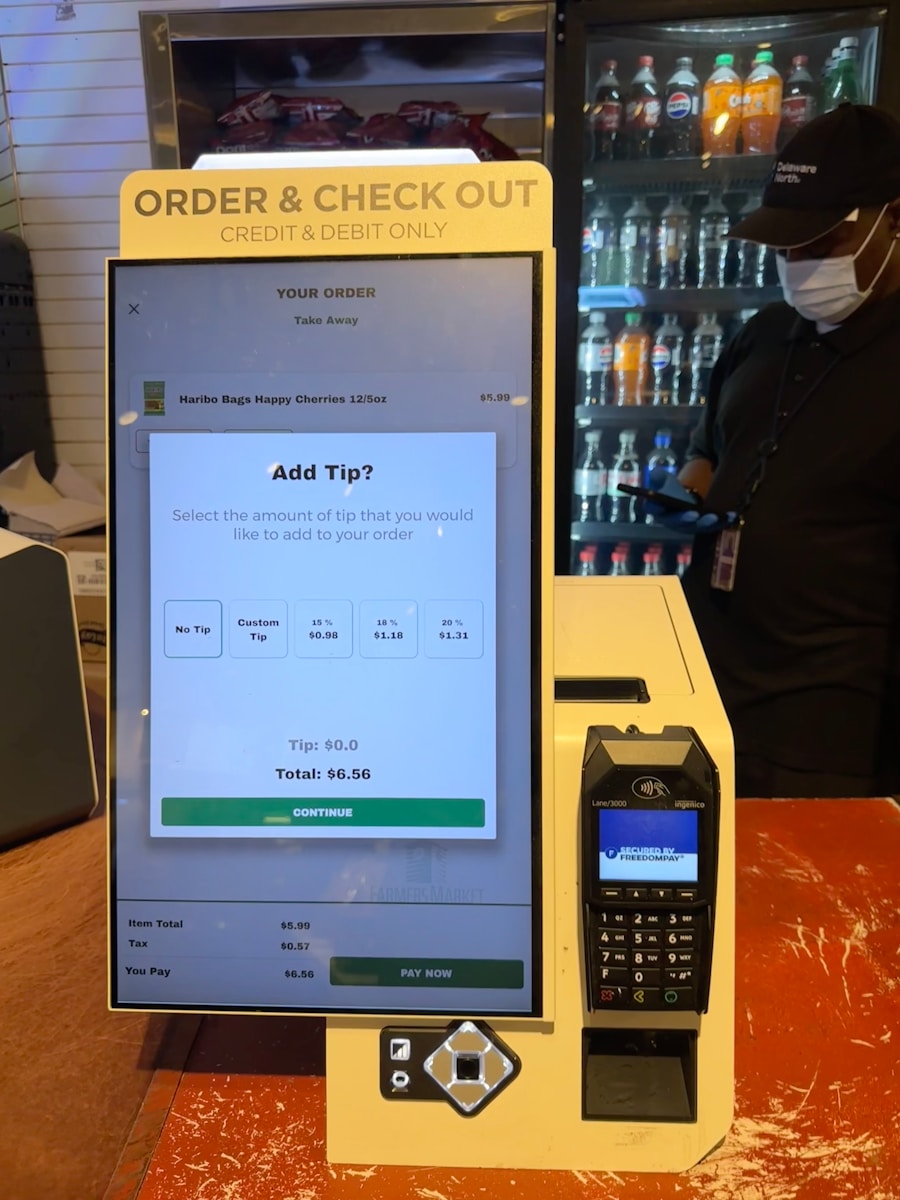
There’s a special kind of confusion that happens when you scan your own items, bag them yourself, and then get asked for a 20% tip. Who, exactly, are we tipping—your reflection in the security mirror? If the “service” is a machine and you’re the unpaid cashier, the tip prompt can feel like a prank that got approved by corporate.
Some stores say the tip goes to staff in general, which is fine in theory. But in practice, it’s often unclear where it lands, and customers are put on the spot with a blinking screen while people line up behind them. It’s not generosity when it feels like a pop quiz.
2) Fast-casual restaurants where you order standing up
Fast-casual used to be the sweet spot: better food than fast food, less fuss than a sit-down spot. Now you walk up, order at a counter, bus your own table, refill your own water, and still get a tip screen that starts at 18%. If the main service is calling your name loudly and handing you a tray, people understandably wonder what they’re tipping for.
To be fair, plenty of staff in these places work hard, and wages aren’t always great. The frustration is that tipping is being used to plug the gap in a business model rather than reward a clear, personal service. When the baseline expectation becomes “tip like it’s full service,” it’s no longer a bonus—it’s a surcharge with manners.
3) Coffee shops (especially for drip coffee and grab-and-go)
Tipping a barista who’s crafting a complicated drink makes sense to most people. But the tip prompt popping up for a plain drip coffee, a bottled water, or a muffin you grabbed yourself? That’s where the vibes get weird. You can practically hear the internal negotiation: “I’m not cheap, but I also just bought a $4 coffee.”
What’s changed is the interface. Many point-of-sale systems automatically present tipping options, and the default percentages can be surprisingly high for small transactions. It turns a simple caffeine run into a tiny moral dilemma before you’ve even had your first sip.
4) Online checkout screens for merch, event tickets, and donations-with-a-twist
Buying a T-shirt online and seeing a tip option at checkout can feel like stumbling into the wrong tab. You’re already paying shipping, maybe a “handling” fee, and definitely taxes. Adding a tip on top—often without a clear explanation—feels less like appreciation and more like digital panhandling.
Event ticketing can be even more chaotic, where you’ve got service fees layered on service fees, and then a final screen asks if you’d like to tip the venue staff. Sometimes tipping venue workers is normal in person, but pushing it online—before you’ve even attended—comes off as premature. It’s hard to tip for service you haven’t received yet.
5) Takeout and pickup orders
Takeout tipping used to be a loose “maybe a couple bucks” situation, depending on the place and the effort involved. Now, many pickup receipts suggest full-service percentages, even when you’re driving there, grabbing a bag, and leaving. It’s not that packaging food takes zero work—it’s that the tip is being framed as obligatory, not optional.
What really gets people is when the tip options are scaled like dining in: 18%, 22%, 25%. On a $90 family order, that’s not pocket change. If restaurants want to normalize higher compensation for takeout labor, customers say they’d rather see transparent pricing than a guilt button.
6) Delivery apps with stacked fees (and tipping before service happens)
Delivery has become a fee fiesta: delivery fee, service fee, small-order fee, busy-time fee, and then a tip prompt that shows up before anyone has delivered anything. Tipping beforehand turns the whole thing into a bidding system, whether companies admit it or not. Customers worry that if they don’t tip high upfront, their food will arrive late, cold, or not at all.
Drivers, meanwhile, often depend on tips because base pay can be low and inconsistent. That’s the tension: consumers feel squeezed by the platform, and workers feel squeezed by the platform, and the app quietly watches from the corner like, “So… about that tip?” A lot of people aren’t mad at the driver—they’re mad at the system that made tipping a requirement for basic reliability.
7) Personal services with “suggested” tips that start at 25% or more
Haircuts, nails, massage, and other personal services have long been tip-friendly. What’s changing is the expectation creep, with checkout screens suggesting 25%, 30%, even 35%—sometimes calculated on the post-tax total. When prices are already up thanks to rent, supplies, and inflation, those percentages can produce sticker shock.
It also gets awkward because you’re face-to-face with the person you’re paying, and the screen is practically narrating your decision. Nobody wants to feel like they’re shortchanging someone who just spent an hour making them look human again. Still, when suggested tips jump that high by default, it stops feeling like gratitude and starts feeling like a silent price increase.
What people are doing about it (without turning into tip villains)
Many customers are getting more intentional: tipping well in traditionally tipped situations, tipping for standout service, and feeling zero shame hitting “no tip” when the ask doesn’t match the service. Others carry cash for places they want to support, so their tip goes directly to a person instead of getting lost in a payment system. And plenty of folks are simply choosing businesses that pay clearly and don’t outsource wages to customers.
The bigger conversation, though, is about transparency. When businesses rely on tip prompts to close payroll gaps, customers feel manipulated, and workers are left with unstable income. A tip should feel like a thank-you, not a toll booth—and right now, a lot of people just want the screens to stop acting like they’re in charge of their conscience.
More from Willow and Hearth:
Leave a Reply