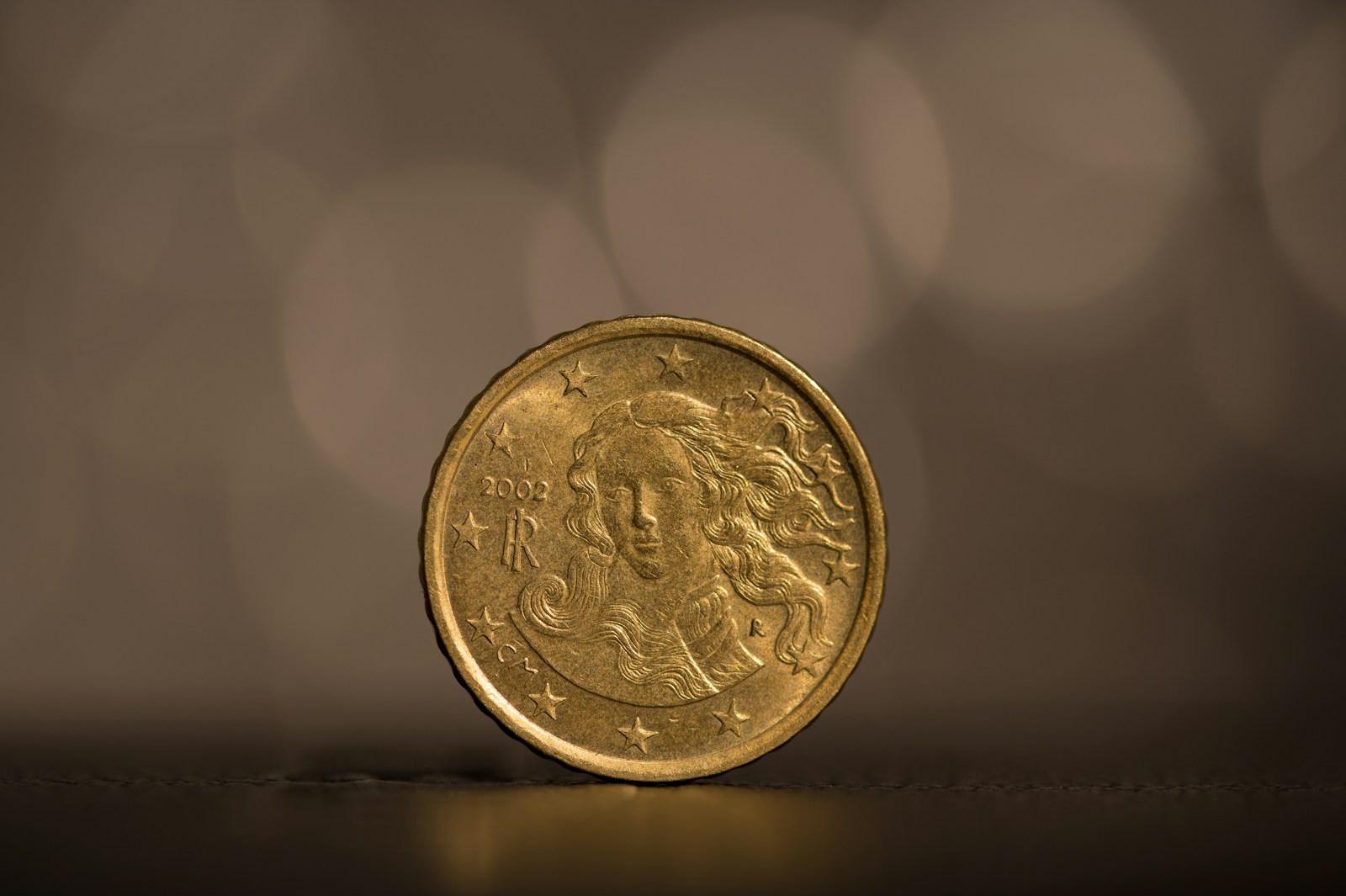
If you’ve ever found a shiny coin lying around and wondered if it could be worth a fortune, you’re not alone! Collecting coins can be an exhilarating hobby, filled with twists of fate, stories from history, and the thrill of the hunt. But before you start dreaming of your coin’s potential as the next big investment, there’s one crucial factor you should check: the coin’s condition.
Understanding Coin Condition
So, what exactly do we mean by “condition”? Well, it’s all about how well-preserved the coin is. You might think a coin is valuable just because it’s old or rare, but if it looks like it’s been through a battle, the value might not be what you expect. The coin’s condition encompasses everything from scratches and dents to discoloration and wear. In the world of numismatics (that’s a fancy term for coin collecting), the term “grade” is used to describe this condition.
Coins are graded on a scale, often from Poor (P) to Perfect (MS-70), with various grades in between. You might not need a degree in numismatics to get the gist, but understanding the basics can save you from heartache and disappointment. A coin that looks like it’s been used as a hockey puck is going to be worth a lot less than one that’s been treated like royalty.
The Grading Scale Simplified
Let’s break it down a bit more. A coin in “Good” condition might have a lot of wear, maybe the details are faded, but it’s still recognizable. “Fine” means it’s seen better days but still has some details intact. “Very Fine” has a bit of wear but is still quite appealing. Then we get to “Extremely Fine,” which is almost as good as new—just a hint of wear, and “About Uncirculated” is where you’d be hard-pressed to find any signs of circulation at all. Finally, “Uncirculated” means the coin has never been used in transactions and looks fresh out of the mint!
Now, if you find a coin that’s graded “MS-70,” that’s the holy grail! But don’t get too carried away—figure out how to spot the differences before you start thinking about sending your collection to auction.
Why Condition Matters
You might be asking yourself, “Why does condition matter so much?” Well, think of it this way: Would you pay top dollar for a vintage car that’s rusted and beaten up? Probably not. The same goes for coins. The better the condition, the more collectors are willing to pay. It’s all about desirability—people want coins that look good, tell a story, and can stand the test of time.
Additionally, some coins are more prone to wear than others. For example, a coin that was heavily circulated will naturally show more signs of aging than one that was tucked away in a collector’s album. And if you’re lucky enough to find a coin that’s in mint condition and has historical significance, you’ve hit the jackpot!
Tips for Assessing Your Coin’s Condition
Now that you know how important condition is, how do you assess your coin? First things first, grab a good magnifying glass or a jeweler’s loupe. These handy tools make it easier to spot any imperfections that might not be visible to the naked eye. Look for any scratches, dings, or discoloration. If you see any, take a mental note—those little blemishes can make a big difference in value.
Next, consider the coin’s luster. A shiny, reflective surface is a sign of a well-maintained coin. If it looks dull, it may have been cleaned or handled too much, which can decrease its value. And, of course, don’t forget to check for any signs of wear on the high points of the design—these are often the first places to show signs of age.
When in Doubt, Consult an Expert
If you’re still unsure about the condition of your coin or you think you might have something special, don’t hesitate to consult a professional. Coin dealers and appraisers can offer valuable insights and help you navigate the sometimes murky waters of coin valuation. Plus, they can help you learn more about your coin’s history, which adds an extra layer of enjoyment to your collecting journey.
Final Thoughts
In the end, remember that coin collecting is as much about the journey as it is about the
Leave a Reply