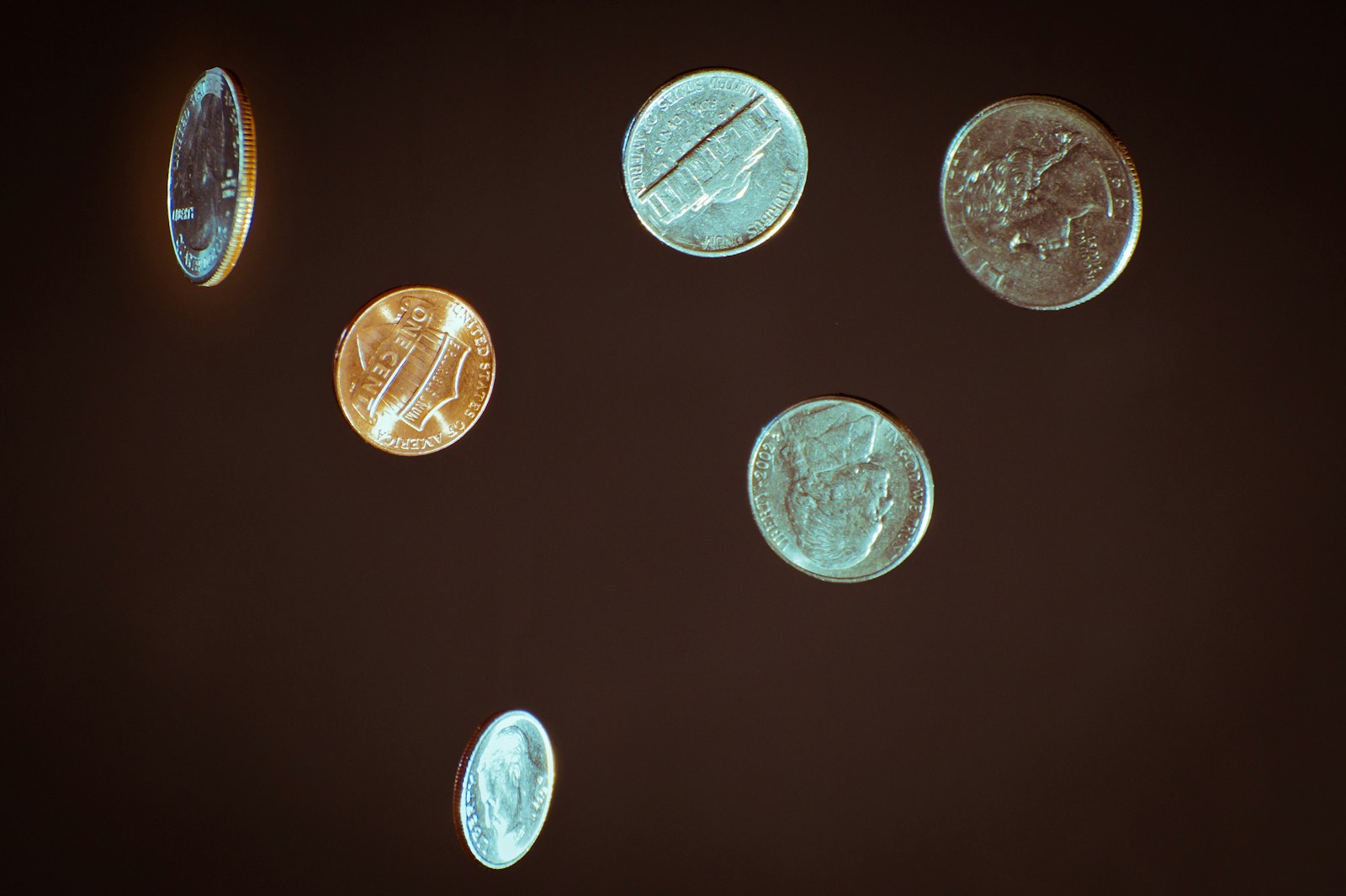
So, you’ve been casually collecting coins, maybe you’ve got that shiny new quarter from the latest release or even an old penny that’s seen better days. But have you ever wondered what happens to those coins once they stop being produced? It’s a fascinating topic that combines a bit of economics with a sprinkle of history. Let’s take a closer look at how the value of coins changes once the minting presses come to a halt.
The Basics of Coin Production
Before we dive into the after-effects of ceasing production, it’s good to understand how coins are made. The U.S. Mint produces coins based on demand, which means they’ll keep churning out that beloved quarter until they feel like they’ve made enough. But once they declare, “That’s it, folks!” and stop producing a particular coin, things get interesting.
Supply and Demand: The Classic Duo
When the production of a coin ends, you can bet your bottom dollar that the supply is going to become limited. And we all know what happens when supply drops but demand stays the same or even increases. Yep, you guessed it—values can shoot up! Collectors and investors often scramble to get their hands on coins that are no longer in circulation. It’s like when your favorite café stops making that seasonal pumpkin spice latte; everyone wants it even more once it’s gone!
Collector Appeal and Rarity
Now, not all coins are created equal. Some are just plain more appealing to collectors. For instance, if a coin is part of a limited series or has a unique design, it’s likely to hold or even increase its value after production ends. Think of it this way: if you’ve got a rare coin that was produced for only a year or two, collectors will be lining up to snag it. It’s like finding a vintage T-shirt from your favorite band; the rarer it is, the more people are willing to pay!
Condition Matters
Let’s talk about condition because, boy, does it matter! A coin that’s been lovingly kept in a collection or a protective case will generally sell for much more than one that’s been tossed around in your pocket with all the lint and crumbs. Grades like “Mint State” or “Proof” can significantly influence how a coin is valued after production ends. So, if you’re hoping to cash in on your coins someday, treat them like the treasures they are!
Market Trends and Economic Factors
Just like the stock market, the value of coins can fluctuate based on broader economic trends. If there’s a recession or economic downturn, people might not have as much disposable income to spend on collectibles. On the flip side, if everyone’s feeling flush, you might see coin values soar as collectors rush to complete their sets. It’s a bit of a rollercoaster ride, and sometimes it feels like you’re trying to predict the weather in spring—hard to do!
The Role of Grading Services
Speaking of value, have you heard about grading services? These are companies that evaluate and assign a grade to coins based on their condition and authenticity. A coin that gets a high grade from a reputable service can command a much higher price in the market. It’s like getting a gold star in school—everyone wants that shiny badge of approval! So, if you think you’ve got something special, it’s worth considering having it graded.
The Emotional Connection
Let’s not forget the emotional side of collecting. Many people hold onto coins because they spark joy or remind them of a special time in their lives. Maybe you’ve got a coin from a family vacation or one that your grandmother gave you. These sentimental values might not translate into monetary worth, but they certainly add a layer of richness to your collection.
What to Do If Production Ends
If you find yourself in the situation where a coin you love has stopped being produced, don’t panic! This could actually be a great opportunity for you. Take some time to research its current market value and see how it’s been trending. Join online forums or local coin clubs to connect with other enthusiasts who can offer insights and share experiences. You never know what valuable information you might uncover!
Final Thoughts
In the end, the value of coins after production ends is a combination of economics, collector interest, and a bit of luck. If you’ve got a passion for coins, enjoy the journey, and don’t just focus on the potential monetary gains. After all, each
Leave a Reply