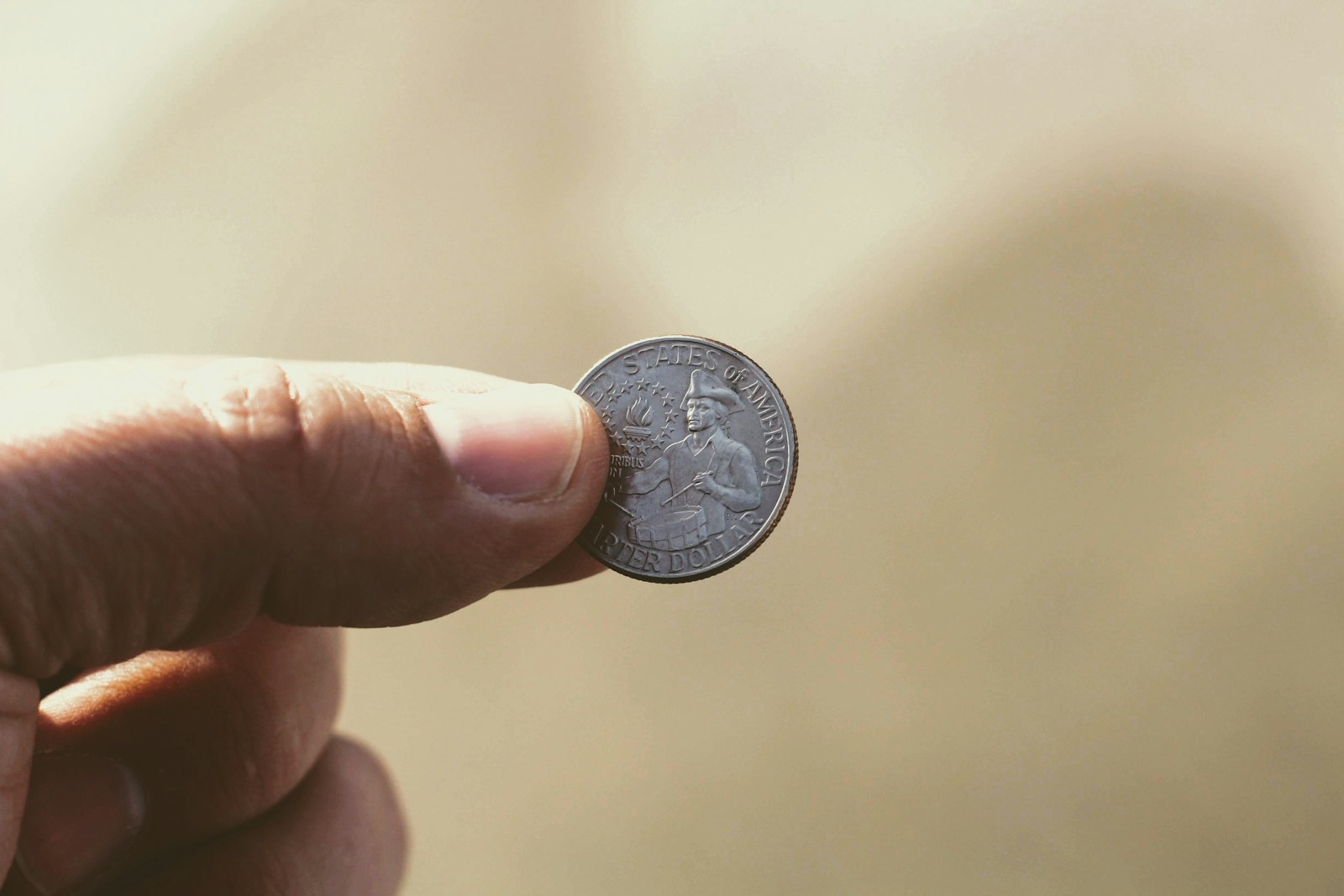
So, you’ve stumbled upon a dusty old coin in your attic or maybe in the change jar that’s been collecting more dust than coins. It’s got that vintage charm, and you can’t help but wonder if you’ve just struck gold—or at least a little silver. But before you start envisioning your retirement funded by a rare treasure, let’s chat about a few signs that might indicate your newfound prize isn’t quite worth saving, no matter how old it is.
1. It’s in Rough Shape
First things first: take a good look at that coin. If it’s got more scratches, dents, or discoloration than a toddler’s art project, it might not be worth holding onto. Coins that are heavily worn, corroded, or bent often lose their value, especially if they’re not rare to begin with. Collectors are usually on the lookout for coins that have that nice, shiny appeal, not something that looks like it’s been through a battle. Sure, it might have history, but history alone doesn’t always pay the bills.
2. It’s a Common Find
Now, let’s talk about rarity. Just because a coin is old doesn’t mean it’s valuable. There are plenty of coins out there that were minted in large quantities, making them about as special as a plain bagel in a bakery. If you’ve got a common coin—like a 1971 penny or a 1965 quarter—you might want to reconsider your plans to save it. That’s not to say there’s no sentimental value; maybe it reminds you of your grandpa’s stories, but if you’re looking for a financial windfall, you might want to save your energy.
3. It’s a Modern Commemorative Coin
Ah, commemorative coins—those shiny little pieces that celebrate everything from statehood to sports achievements. While they can be fun to collect, most modern commemorative coins aren’t worth much in the long run. These coins are often produced in large batches, which means they’re not rare. If you’ve got a collection of these beauties, think of them more as souvenirs than investments. They might make for a nice conversation piece on your coffee table, but don’t expect them to put your kids through college.
4. You Can’t Find Any Information About It
If your coin looks like it came from a secret treasure chest but you can’t find any information about it online, that’s a red flag. A lack of details could mean it’s not well-known or, worse, a counterfeit. Before you get too attached, do some digging. There are plenty of resources online, including forums and databases, where you can learn about your coin. If it’s a total mystery and no one seems to care about it, it might be time to let it go. Just imagine it as a mystery book you never want to read again.
5. It’s Not Made of Precious Metals
Lastly, let’s talk about the shiny stuff: precious metals like gold, silver, and platinum. If your old coin is made from something like copper or nickel, it probably won’t be worth much in terms of intrinsic value. Coins that are made from precious metals can hold their value much better and can even appreciate over time. If you’ve got a coin that’s not made of anything particularly special, it’s probably time to rethink your hoarding strategy. Unless you’re a die-hard fan of copper’s rustic charm, it might not be your best bet.
Wrapping It Up
So there you have it! Five signs that a coin might not be worth saving, even if it’s got a few years on it. Coins can be fascinating little snippets of history, but that doesn’t always equate to value. If you find yourself staring at a coin that fits one or more of these criteria, it might be time to let it go and focus on finding something that truly shines—both in your collection and in your heart.
At the end of the day, collecting should be about joy and appreciation. Whether you’re hanging onto that old penny for nostalgia or you’ve got your sights set on rare finds, remember to keep it fun! Happy collecting!
Leave a Reply