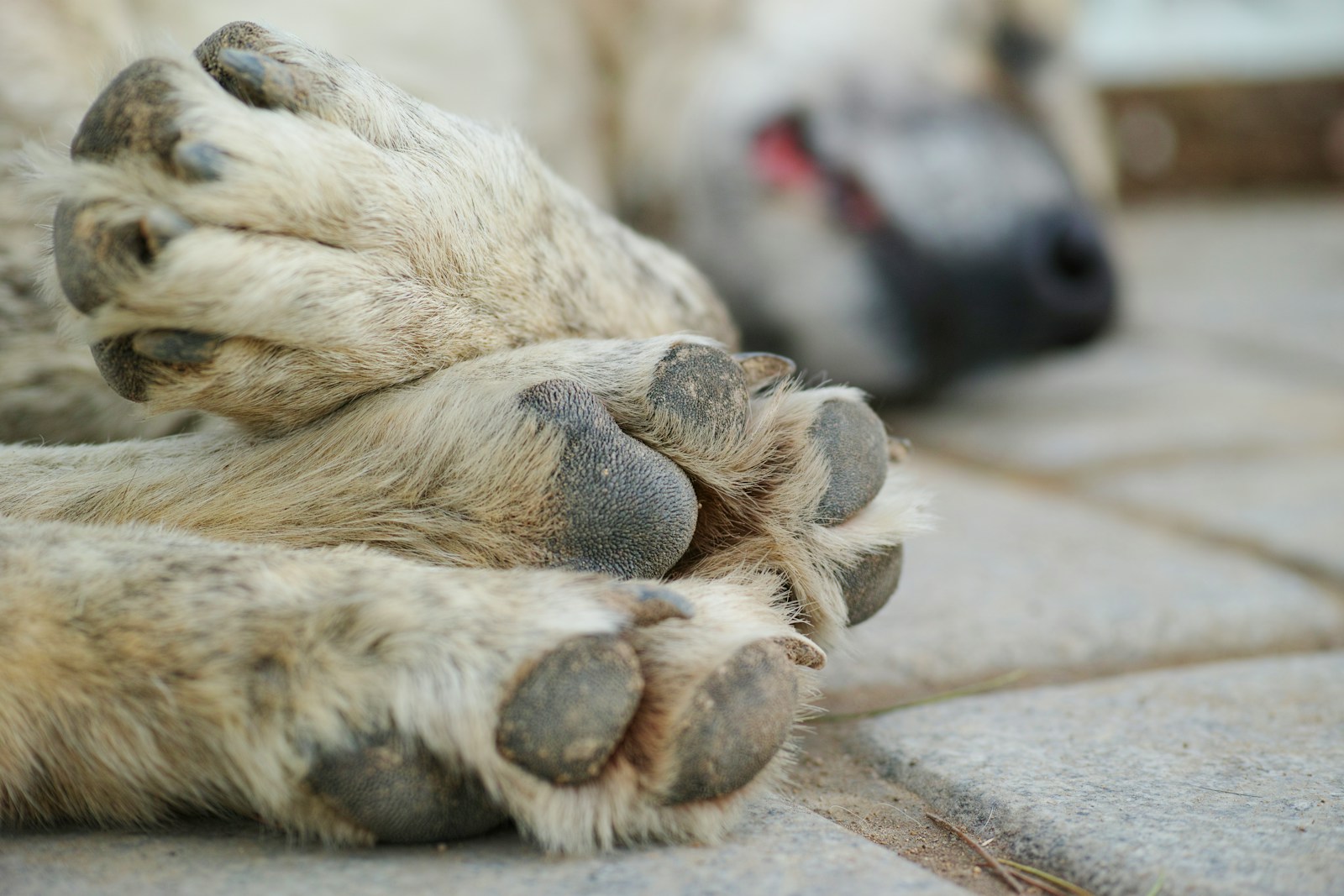
We’ve all been there. You’re lounging on the couch, sipping your coffee, when you catch your furry friend staring blankly at the wall. Maybe they’re not quite themselves—less energetic, a bit mopey, or just acting weird. It’s that feeling of unease that creeps in: “Is something wrong?” The good news is, sometimes our pets have off days just like we do, but there are signs to watch for that can help you figure out if it’s just a little funk or something more serious.
Understanding the “Off” Days
First off, let’s acknowledge that pets can be a bit quirky. Just like we might have a day where we’re not feeling our best—perhaps too much Netflix and snack food—our pets can have their own version of a “meh” day. They might be a little less playful or a tad more snuggly, and that’s completely normal. But when that behavior shifts from the occasional off day to a more persistent state, it’s time to pay closer attention.
So, what exactly does “off” look like? It could be a change in energy levels, eating habits, or even their usual snuggly demeanor. Maybe your cat, who usually rules the house like a tiny dictator, is suddenly hiding under the bed, or your dog is giving you the cold shoulder after you dared to leave them alone for a few hours. These subtle shifts can be key indicators that something’s up.
Watchful Eyes: What to Look For
When you sense something’s off, the first step is to observe. Experts recommend keeping an eye on the following behaviors:
- Appetite Changes: Is your pet suddenly turning their nose up at their favorite kibble? A sudden lack of interest in food can indicate various issues, from dental problems to gastrointestinal distress.
- Energy Levels: Is your usually bouncy pup now resembling a couch potato? A noticeable drop in energy can signal anything from boredom to illness.
- Social Behavior: If your pet is giving you the cold shoulder or avoiding family members, it might be more than just moodiness. Withdrawal can be a sign of pain or discomfort.
- Grooming Habits: Has your furry friend stopped grooming? Cats, especially, are meticulous about their cleanliness. A change here can signal stress or health issues.
- Bathroom Behavior: Changes in litter box habits for cats or bathroom breaks for dogs can reveal a lot. Look for any signs of straining, blood, or unusual frequency.
Subtle Signs That Demand Attention
Now, let’s talk about those more subtle signs that might not scream “I’m sick!” but could still be a cause for concern. Is your pet pacing around the house, seeming restless, or maybe they’re staring at the wall like it’s about to reveal the secrets of the universe? Sometimes, anxiety or stress can manifest physically, so it’s worth considering if something in their environment has changed.
And let’s not forget about those pesky little things called parasites. If your pet’s been scratching more than usual or you’ve noticed some unusual behavior patterns, it might be time for a check-up. Fleas, ticks, and worms can make pets feel downright miserable without any overt signs of illness.
When to Call the Vet
So, when do you throw in the towel and call your vet? If your pet’s off behavior lasts more than a couple of days or if you notice any of the aforementioned signs, it’s probably best to consult the professionals. It’s always better to err on the side of caution. After all, you wouldn’t ignore your own health concerns, would you?
And trust me, your vet would much rather see you for a little check-up than have you waiting until your pet is in distress. They can help you decipher the mystery of your pet’s behavior and give you peace of mind. Plus, they’re usually pretty good at helping you feel less like a paranoid pet parent.
Final Thoughts: Tune Into Your Pet
At the end of the day, you know your pet better than anyone else. Trust your instincts. If you feel like something’s off, dig a little deeper. Observing your pet’s behavior can be one of the best ways to ensure they’re happy and healthy. So, keep an eye out for
Leave a Reply