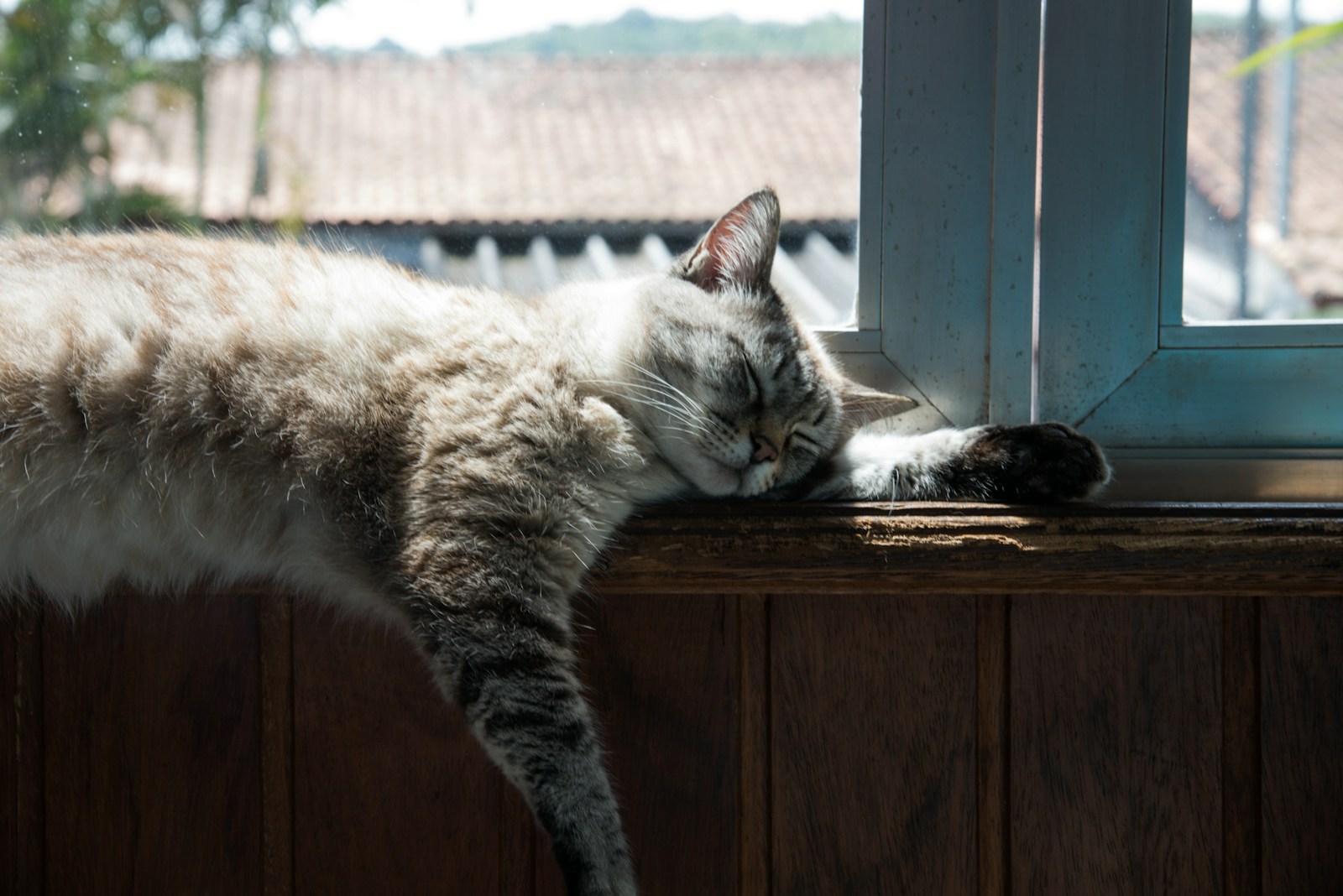
We all know that cats can be a bit mysterious. One minute they’re chasing after a toy mouse like it’s the Olympic sprint, and the next, they’re lounging on the couch like a furry potato, staring into space. But what if your usually playful feline suddenly decides that playtime is so last season? Well, according to veterinarians, that’s not something you should just brush off. Let’s chat about what this change in behavior might mean and why it’s worth paying attention to.
Understanding Feline Playfulness
First things first: play is a big deal for cats. It’s not just a way for them to burn off energy; it’s also crucial for their mental health. Think of it as their version of a workout and a social gathering, all rolled into one. Kittens are particularly playful, but adult cats need their fun time too. If your cat usually prances around like a tiny lion and suddenly becomes a couch potato, it might be time to investigate.
Signs to Look Out For
So, how do you know if your cat is just having an off day or if something’s genuinely wrong? Look for changes in behavior beyond just a dip in playfulness. Is your kitty eating less? Sleeping more? Hiding away instead of lounging in the sun? These could be clues that something’s off. Cats are masters at hiding discomfort, so a sudden shift in their normal habits can often signal that they’re not feeling 100%.
Common Health Issues
When it comes to our furry friends, there’s a range of health issues that might cause them to lose interest in play. Dental problems, for instance, can be a hidden culprit. If chewing hurts, they might shy away from their toys and even their food. Then there are things like arthritis—yes, cats can get it too! As they age, their joints might not be as sprightly as they used to be, making play less appealing.
Let’s not forget about other potential suspects like infections, obesity, or even mental strains. Just like us, cats can experience stress and anxiety. Changes in their environment, like a new pet or moving to a new home, can make them retreat into their shells. If your cat’s not playing, it might not just be a case of laziness; it could be something more concerning.
What to Do Next
If you notice these signs, don’t just shrug it off. Schedule a vet visit to rule out any underlying health issues. Your vet will likely conduct a thorough examination, and they might recommend some tests to get to the bottom of your kitty’s sudden lethargy. It might seem a bit dramatic, but trust me, it’s better to be safe than sorry. Plus, your vet can provide peace of mind, which is priceless when you’re worried about your furry friend.
Encouraging Playfulness
Now, if your vet gives your cat a clean bill of health, that’s great news! But what if your cat still isn’t interested in playing? There are a few tricks you can try to rekindle their playful spirit. Sometimes, all it takes is a fresh perspective. New toys can work wonders—think about interactive toys or even simple things like a piece of string or a cardboard box. It’s amazing how often cats can be entertained by the simplest things!
Also, consider setting aside dedicated playtime with your cat. Sometimes they need a little nudge to remind them how fun it is to pounce and chase. Try different times of the day; you might find that your cat’s a nighttime hunter or a morning sprinter. And don’t forget to join in on the fun! Cats love it when their humans get involved, and there’s nothing quite like the joy of watching your kitty leap through the air after a feather toy.
Final Thoughts
Your cat’s health and happiness are intertwined, and noticing when things change can make all the difference. If your feline friend stops playing, it’s not just a quirky phase; it’s a signal that deserves your attention. Whether it’s a quick trip to the vet or a new toy that sparks their interest, being proactive can help ensure that your cat stays as playful as ever. Because let’s be honest: a happy cat means a happy human. And who wouldn’t want to keep those little purring bundles of joy engaged and thriving?
Leave a Reply