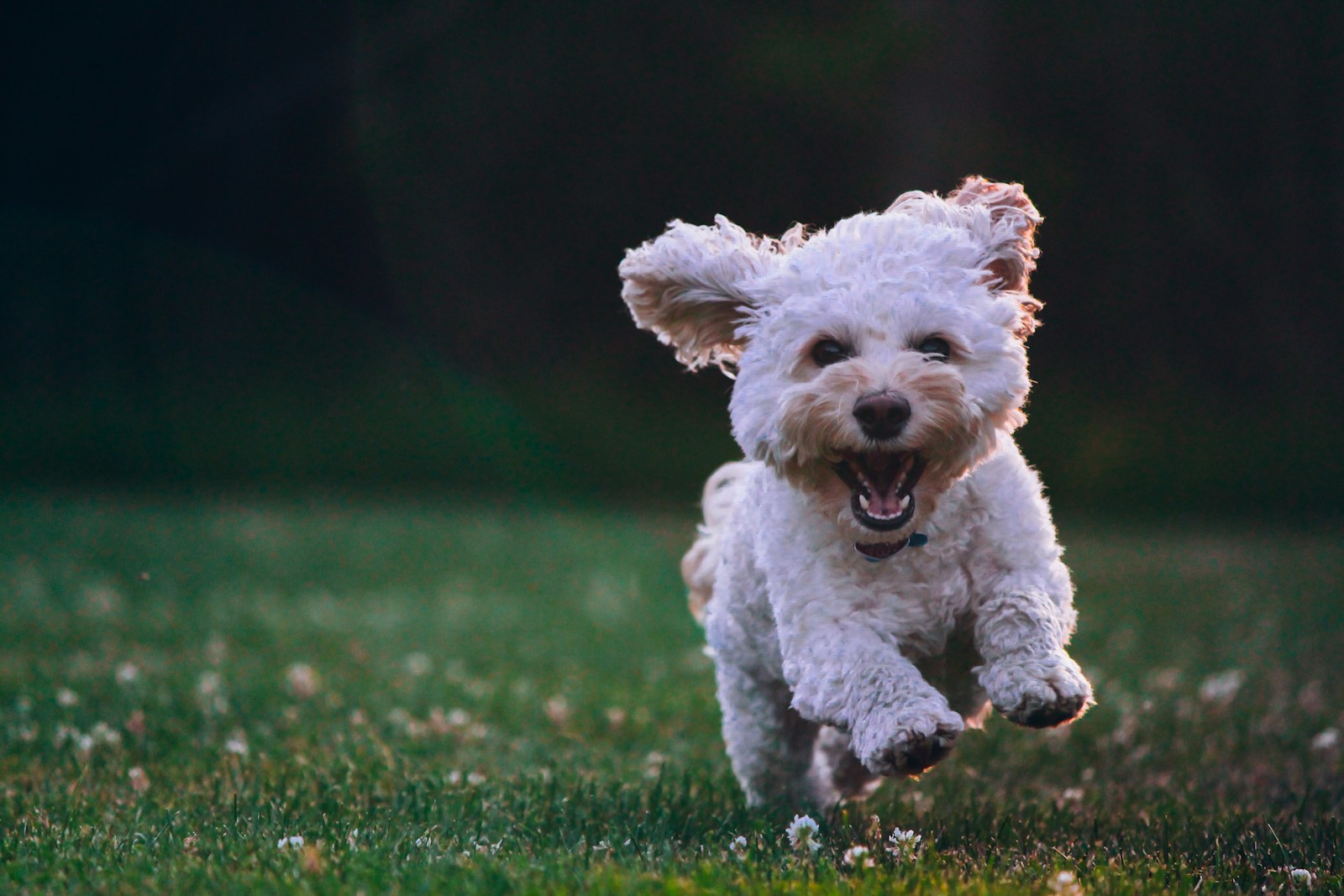
So, you’re snuggled up in bed, dreaming sweet dreams, when suddenly, your dog starts pacing like they’ve just had a double espresso. Their usual calm demeanor turns into a restless whirlwind, and you can’t help but wonder: what’s going on? Is it a midnight snack crisis, or are they channeling their inner marathon runner? Well, it turns out that your dog’s sudden nighttime restlessness might be more than just a quirky habit — it could be a warning sign that something’s off.
Understanding the Nighttime Fidget
Dogs, like humans, can have their off days (or nights). Restlessness isn’t always a cause for alarm — sometimes, it’s just their way of expressing a little boredom or anxiety. But if this behavior is new and persistent, it’s worth paying attention to. Dogs communicate in their own unique ways, and frequent pacing, whining, or an inability to settle down could indicate they’re trying to tell you something important.
Common Causes of Nighttime Restlessness
First off, let’s talk about anxiety. Just like that feeling of dread you get before a big presentation, dogs can experience anxiety for various reasons. New surroundings, loud noises, or even the absence of a favorite human can cause them to feel uneasy. If your dog’s been more restless lately, think about any changes in their environment. Even a new piece of furniture can throw them off!
Then there’s the ever-popular health concerns. Conditions like arthritis or gastrointestinal issues can cause discomfort that manifests as restlessness. If your pup seems to be struggling with mobility or has been a little more gassy than usual (let’s be honest, we’ve all been there), a trip to the vet might be in order. Remember, your dog can’t exactly tell you when something hurts, so watching for signs of discomfort is key.
Age Matters: Puppies vs. Seniors
Let’s not forget about the age factor! Puppies are like tiny, furry tornadoes at night, full of energy and a desire to explore every inch of their new kingdom. If you’ve got a pup, they might just need more playtime during the day to tire them out. On the flip side, senior dogs may experience restlessness due to cognitive decline or health issues. If your elderly dog is suddenly acting like a night owl, it could be worth chatting with your vet about cognitive dysfunction syndrome, which is kind of like doggie dementia.
When to Worry
You know your dog best. If their restlessness is coupled with other concerning signs — like loss of appetite, vomiting, or changes in their bathroom habits — it’s time to consult a professional. It’s always better to err on the side of caution. After all, you wouldn’t ignore a strange behavior in a friend, right? Your pup deserves the same care and attention.
How to Help Your Restless Dog
So, what can you do to help your restless furball? Start by creating a cozy nighttime routine. Just like humans, dogs thrive on consistency. Set a schedule for feeding, walks, and bedtime. A nice evening stroll can help burn off some of that pent-up energy, and a little playtime can help too. Think of it as your dog’s version of a relaxing yoga session — it just might help them wind down.
Consider their sleeping environment, too. A comfy bed in a quiet, dimly lit area can work wonders. If they’re still restless, you might want to try calming aids like pheromone diffusers or anxiety wraps. Doggie CBD oil has also become popular for its potential calming effects, but always consult your vet before trying something new.
Creating a Calm Space
Another thing to keep in mind is the power of a calm atmosphere. If your home is buzzing with activity or loud noises, your dog might feel more anxious than usual. A white noise machine or some soft music can create a soothing backdrop for your pup. And hey, it might even help you sleep better, too!
Final Thoughts
At the end of the day, your dog’s nighttime restlessness is worth paying attention to. It might be a simple case of too much energy or anxiety, but it could also be a sign that something’s off. By keeping an eye out for changes in behavior and being proactive, you can ensure your furry friend stays happy and healthy. And who knows? With a little care and attention, you might just reclaim those peaceful nights of sleep — because let’s face it, we all need our beauty rest!</p
Leave a Reply