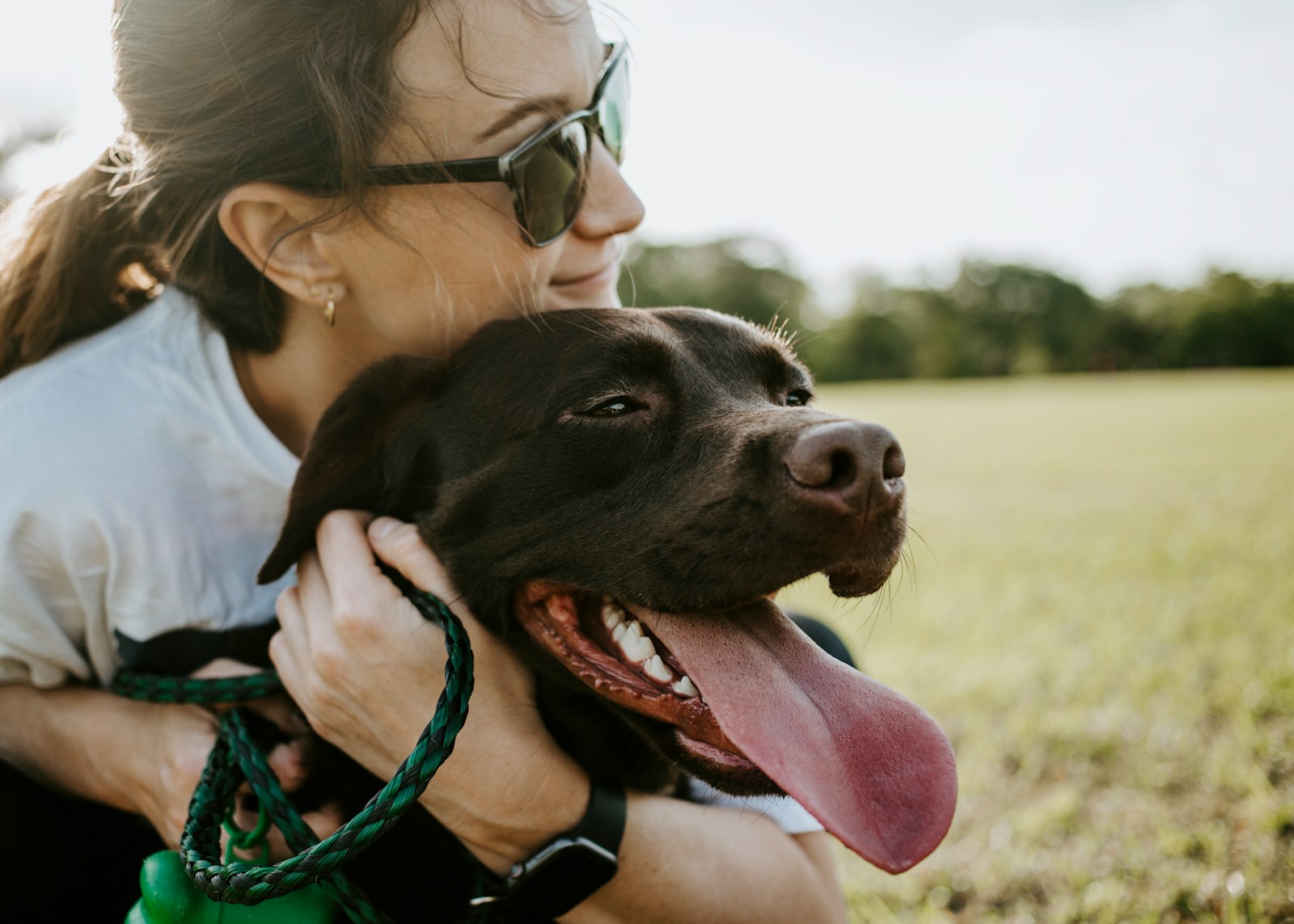
So, you’ve noticed that your furry friend has taken their affection to a whole new level. Whether it’s following you around the house like a shadow or insisting on being a lap dog when they’re clearly twice your size, you might be wondering: is it just love, or is there something else going on? Spoiler alert: it could be a mix of both!
Understanding Canine Behavior
Dogs are social creatures, and they thrive on connection—both with humans and other animals. When your pup seems glued to your side, it’s easy to chalk it up to sheer affection. But dogs communicate in a language all their own, and sometimes those snuggles can signal something deeper. It’s a bit like that friend who always wants to hang out; sometimes they just want to bond, but other times they might be going through a tough time.
Stress and Anxiety
One of the most common reasons for clingy behavior is stress or anxiety. Did you recently move? Have there been loud noises, like fireworks or thunderstorms? Changes in routine can throw your pup for a loop. Dogs are creatures of habit, and when their world feels unsettled, they might cling to you as their safety net.
Imagine how you’d feel if your favorite coffee shop suddenly closed down. You’d probably cling to your best friend for comfort, right? Your dog does something similar when they feel anxious. They often look to their humans for reassurance, especially during uncertain times.
Health Issues May Be at Play
Another critical factor could be health-related. If your pup is suddenly more attached than usual, it might be a sign they’re not feeling well. Just like us, dogs don’t always want to show they’re hurting. They might seek out your company, hoping you’ll provide comfort while they’re under the weather.
Think about it: if you’ve got a headache, you might curl up on the couch with a blanket and a favorite movie. Your dog might be doing the same thing—only they want you by their side. It’s always a good idea to keep an eye on any changes in behavior, and if you suspect something’s off, a trip to the vet can be a smart move. Better safe than sorry, right?
Age Matters: Puppies and Senior Dogs
Age can also play a role in your dog’s clinginess. Puppies often go through a phase of separation anxiety. They’re exploring the world but still need their humans for comfort and guidance. On the flip side, senior dogs might become clingy as they age. Their sight and hearing may diminish, making them seek you out for reassurance. It’s like that old friend who keeps forgetting where they parked their car—they just want a familiar face nearby!
Reinforcing Clingy Behavior
Sometimes, we inadvertently encourage clinginess without realizing it. If you’ve been giving extra cuddles or attention every time your pup follows you around, they might think that’s the way to get your love. Dogs are smart—they’ll learn quickly that sticking close to you gets them those belly rubs they crave.
While it’s perfectly fine to shower your dog with love, try to balance it with independence training. Encourage your pup to spend time in their bed or a designated space, rewarding them when they do. It’s like training for a marathon; a little separation can help build their confidence and reduce anxiety over time.
Creating a Safe Space
If your dog’s clinginess is due to anxiety, creating a cozy, safe space can help. Think of it as their little retreat. You can use a comfy dog bed, some favorite toys, and maybe even a piece of your clothing to make it feel more secure. When they have a go-to spot, they may feel more comfortable exploring the world without feeling the need to stick right by your side.
When to Seek Help
If your dog’s clinginess is accompanied by other concerning behaviors—like excessive barking, destructive chewing, or changes in eating habits—it might be time to consult a professional. A dog trainer or a veterinarian can offer insights tailored to your pup’s unique situation. Sometimes, a little expert guidance can make all the difference.
In Conclusion: Love, Anxiety, or Something Else?
So, the next time your dog is hovering like a furry satellite, consider what might be behind the behavior. It could be pure love, or they might be feeling a bit anxious or unwell.
More from Willow and Hearth:
Leave a Reply