Have you noticed your furry friend has developed a knack for hiding lately? Maybe they’ve turned your laundry basket into a cozy cave or squeezed behind the couch like it’s the ultimate hideout. While it might seem like your pup is just playing a game of hide and seek, there could be a lot more going on beneath that fluffy exterior. So, let’s chat about what those new hiding habits might really mean for your four-legged buddy.
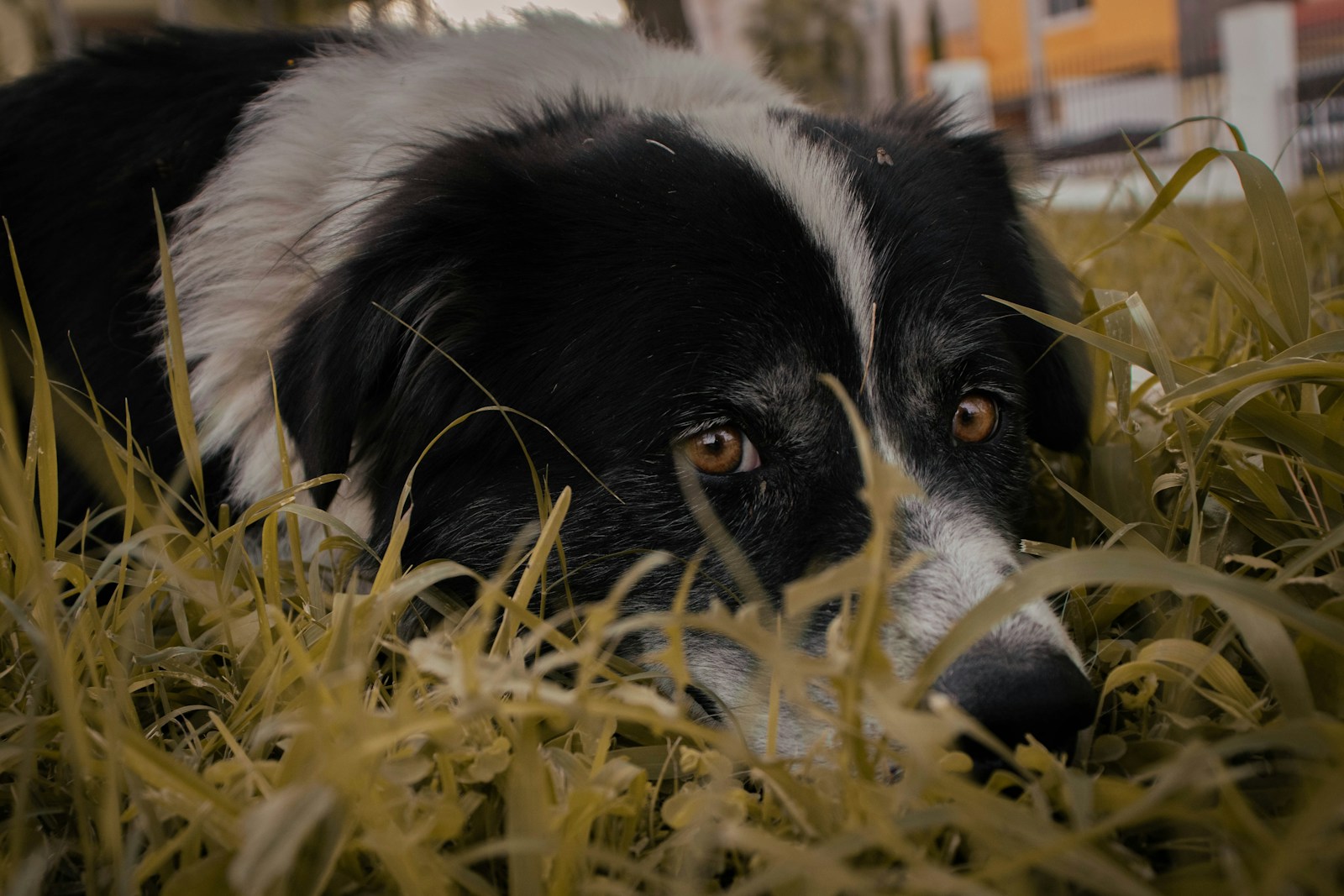
Understanding Your Dog’s Behavior
Dogs are masters at communicating their feelings, even if they don’t always use words. When your pup starts seeking refuge in tight spaces or under beds, it could be their way of telling you something isn’t quite right. Just like us, they can experience anxiety and discomfort, and sometimes, the world feels a bit overwhelming. It’s like when you just need a moment to breathe after a hectic day — only for them, it might involve a snuggly spot away from the chaos.
Why Is My Dog Hiding?
There are several reasons why your dog might be pulling a disappearing act. One of the most common culprits? Anxiety. Whether it’s from loud noises like thunder or fireworks, changes in the household, or even a new pet, anxiety can drive your dog to seek solace in their favorite hiding spot. Think of it as their own personal safe haven.
But it’s not just anxiety that could be at play. Discomfort or pain can also send your pup scurrying for cover. If they’re feeling unwell, they might instinctively seek a quiet place to rest. So, if your dog’s hiding habits are new and accompanied by other signs like lethargy or changes in appetite, it might be time for a trip to the vet. Trust me, better safe than sorry!
Signs of Anxiety vs. Signs of Pain
So how can you tell if your dog’s hiding is due to anxiety or something more serious? Well, there are some telltale signs. If your pup seems restless, is panting excessively, or is acting more clingy than usual, they might be feeling anxious. A little whimpering or barking could also be a cry for help. On the other hand, if they’re lethargic, not eating, or showing signs of discomfort when you touch certain areas, that’s a red flag that warrants a vet visit.
How to Help Your Hiding Dog
If you suspect anxiety is the root of your dog’s new habit, there are plenty of ways to help them feel more secure. First off, create a calm environment. Consider setting up a cozy space just for them, complete with their favorite blanket and toys. That way, they can retreat to their own little sanctuary when the world feels overwhelming.
You can also try engaging with them through gentle play or training exercises. Sometimes, a little distraction can work wonders! And hey, don’t underestimate the power of a good ol’ belly rub. Physical affection can reassure them that everything is okay.
When to Seek Professional Help
Sometimes, despite your best efforts, your pup might still feel anxious or uncomfortable. If you notice that their hiding habits persist, or if their anxiety seems to escalate, it might be time to consult with a dog trainer or a vet. They can provide you with tailored strategies to help your dog cope. Plus, they can rule out any underlying health issues that could be contributing to their discomfort.
Prevention is Key
As with most things in life, prevention is the name of the game. Regular exercise can do wonders for your dog’s mental health. A tired dog is generally a happy dog! Make sure they’re getting plenty of walks, playtime, and socialization. You might even consider puzzle toys or interactive games to keep their minds stimulated.
Embrace Their Quirks
While it’s important to address any underlying issues, don’t forget to embrace your dog’s unique personality. Hiding can be an endearing quirk, and many dogs have their own peculiarities that make them who they are. Just like that friend who always shows up with an odd collection of vintage spoons, your dog’s little habits can add to their charm. With a bit of patience and understanding, you can help them feel more at ease while still celebrating those quirky moments.
Wrapping It Up
So, if your pup has turned into a mini Houdini lately, don’t panic!
More from Willow and Hearth:
Leave a Reply