So, you’ve noticed your usually chatty cat has started to act like a stealthy ninja, quietly lounging around instead of strutting through the house like it owns the place. If you’re feeling a bit concerned, you’re not alone. Cats are known for their quirky personalities, but a sudden shift in behavior—like becoming unusually quiet—can sometimes be a sign that something’s off. Let’s chat about what might be going on and why you should pay attention before you start planning the next catnip party.
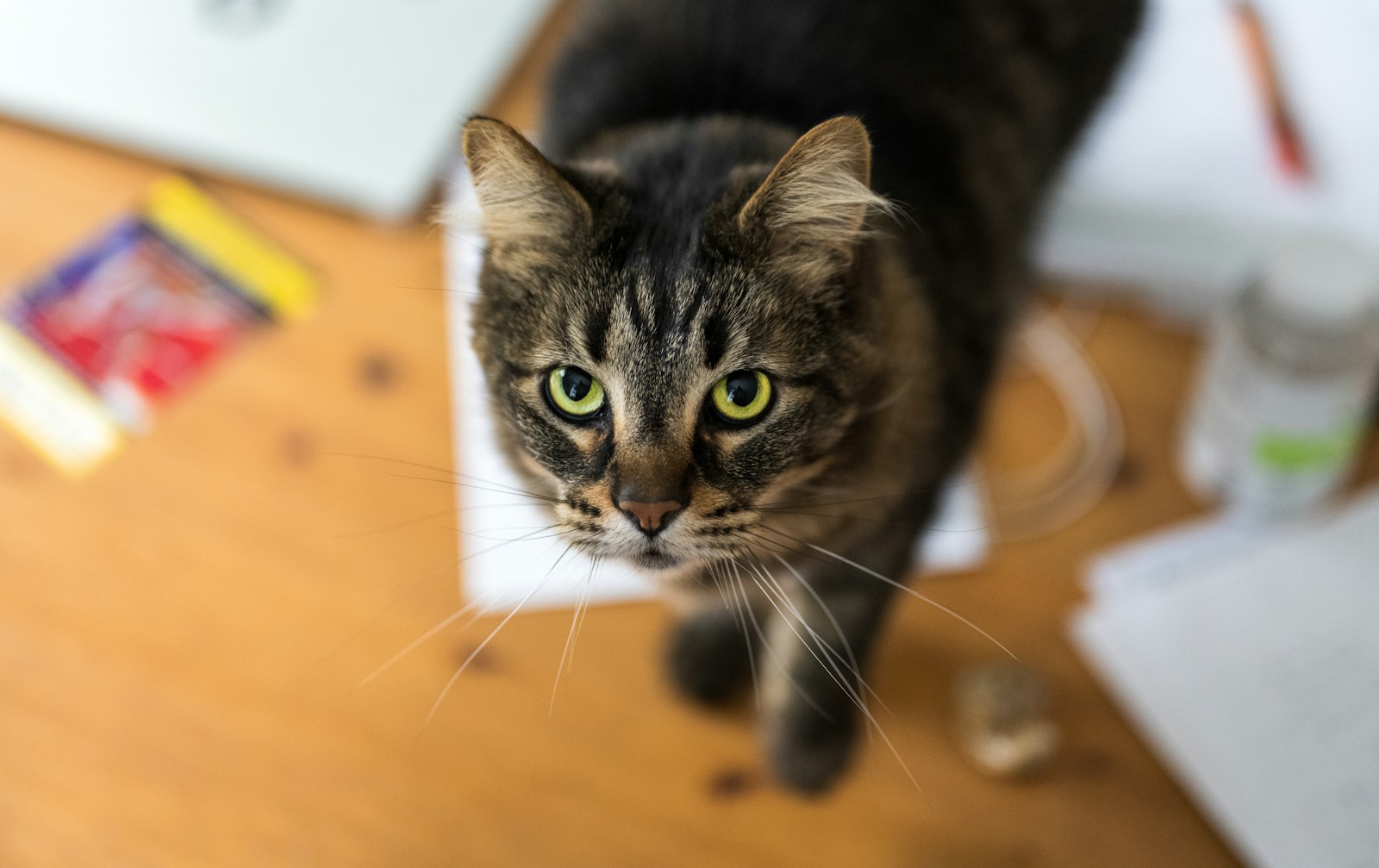
Understanding Your Cat’s Communication Style
First off, it’s important to recognize that cats communicate in a variety of ways. Some are vocal, while others prefer the silent treatment—like a cat version of a mysterious movie character. That said, if your feline friend has suddenly switched from their usual meows, purrs, and playful antics to a more reserved demeanor, it could be worth investigating. Sometimes, our furry companions are just having an off day, but other times, they might need a little extra care.
Common Health Issues to Consider
When a cat goes quiet, it can be a clue that something’s brewing beneath the surface. One common culprit is pain. Cats are notorious for hiding their discomfort, so if they’re suddenly less vocal, it might be because they’re not feeling their best. This could be anything from dental issues to arthritis—yes, even our sprightly little furballs can experience joint pain as they age.
Another possibility is illness. Conditions like kidney disease, hyperthyroidism, or even infections can lead to a change in behavior. If your cat is also showing other signs—like changes in appetite, litter box habits, or grooming habits—it’s definitely time to make that vet appointment. Cats might be low-maintenance pets, but that doesn’t mean we should ignore their health!
Behavioral Changes Beyond Health Issues
Of course, not every quiet spell is a cause for alarm. Sometimes, cats just go through phases. Maybe they’ve discovered a cozy sunbeam and decided it’s the perfect place for a nap—or maybe they’re just bored and waiting for you to engage them in a game of chase-the-string. It’s all about context. If your cat has a history of being a chatterbox but suddenly seems withdrawn, it’s worth taking a closer look.
Stress can also play a significant role in a cat’s behavior. Changes in the household, like a new pet, moving to a new home, or even changes in your routine, can make them feel a bit rattled. Cats thrive on routine, and any disruption can leave them feeling a little anxious. If this sounds familiar, try to create a calm environment with plenty of comforting spots for your kitty to retreat to.
What Should You Do?
Now that you’ve got a handle on what might be going on, what’s the next step? If you suspect your cat’s quietness is linked to health issues, don’t hesitate to give your vet a call. It’s always better to be safe than sorry when it comes to our furry companions. Your vet can help you determine if there’s an underlying health issue that needs attention.
If it seems like your cat is just a bit moody, try to engage them with their favorite toys or activities. A little playtime can go a long way in lifting their spirits. Maybe they just need a reminder that they’re the king or queen of the castle, and that you’re there to entertain them. Cats love routine, so establishing a daily playtime can help bring back their vocal personality.
Keep an Eye on the Signs
As with many things in life, the key is to stay observant. Pay attention to changes in your cat’s behavior, eating habits, and energy levels. If they start to perk up after a few days of quiet, maybe they just needed a little downtime. But if the silence lingers or is accompanied by other concerning signs, don’t hesitate to seek professional advice.
In Conclusion: A Little Extra Love Goes a Long Way
Remember, our cats may not always be the most expressive creatures, but they communicate in their own unique ways. A sudden quiet phase can be a sign of anything from a simple mood swing to a more serious health issue. By staying attentive and responsive to their needs, you can help ensure your furry friend stays happy and healthy.
So, the next time your chatty kitty decides to take a vow of silence, don’t panic.
More from Willow and Hearth:
Leave a Reply