You want to leave home without worrying whether you missed something obvious, and this article walks you through common habits experts avoid so you can tighten up your routine. You’ll learn practical, no-nonsense actions to make your home less inviting to opportunists and give you real peace of mind.
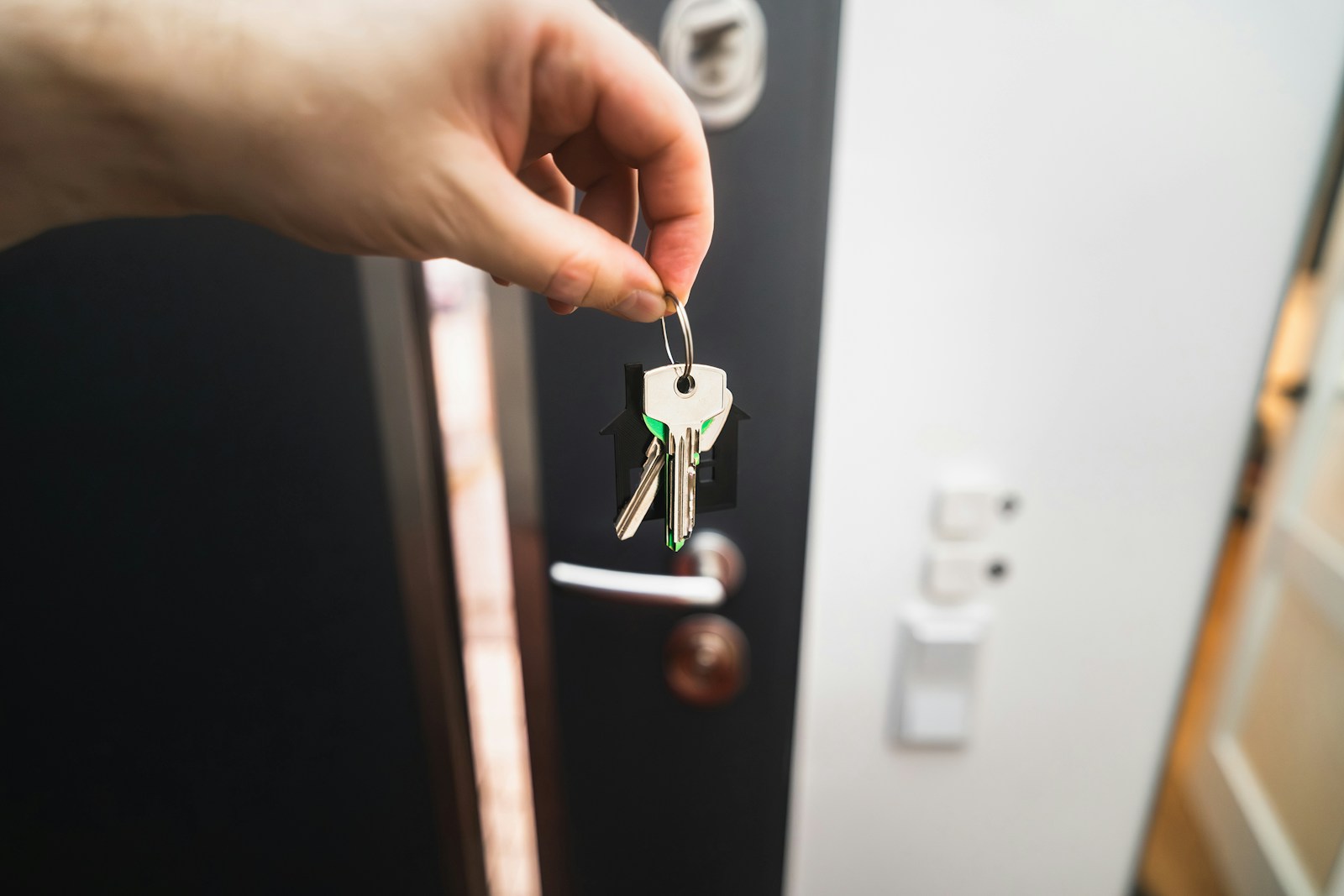
Think of this as a quick checklist for smarter habits — from what not to post online to small physical steps that reduce risk — so you can step out confidently and focus on your plans.
Leave a spare key under the front door mat
You might think the mat is harmless, but burglars check that spot first.
Hiding a key there makes your home easy to enter if someone watches or follows you.
Instead, use a smart lock, a keyed lockbox, or leave a spare with a trusted neighbor.
For more guidance on safer alternatives, see ADT’s tips on hiding spare keys.
Post real-time location updates on social media
You shouldn’t broadcast that you’re away from home in real time. Posting live photos or check-ins lets strangers know your house is empty right now.
Delay sharing vacation snaps until you’re back, or turn off geotagging and location services on posts. Small changes like this reduce the chance someone follows your updates to your front door.
For more on risky posts and safer habits, see common social media mistakes burglars watch for: https://www.cnet.com/home/security/i-found-the-common-social-media-posts-burglars-watch-for-check-your-feed-today
Forget to lock all doors and windows
You never leave without checking every entry point, even quick steps outside can invite trouble.
A simple walk-through and turning deadbolts or latches reduces most opportunistic break-ins.
Don’t rely on one lock; reinforce sliding doors and secure basement windows.
Set a habit: keys in pocket, alarm armed, last-minute glance at windows before you go.
For extra protection, use timers or smart locks you can check from your phone.
Neglect to arm their security system
You always arm your system before leaving, even for short trips. A quick check of your panel or phone app takes seconds and prevents easy opportunistic theft.
Don’t assume signs alone deter burglars; experts still recommend sensors, cameras, and arming every time. If you forget, enable reminders or automatic arming through your system’s app to make it routine.
Ignore adding extra sensors and cameras
You don’t skip extra sensors or cameras because blind spots invite trouble.
A few well-placed door, window, and motion sensors catch what a single camera might miss.
Adding devices is often simple and affordable.
Smartphone alerts let you act fast if something trips while you’re out.
Think of extra sensors as practical backups, not overkill.
They increase the chance you’ll spot issues early and avoid unnecessary surprises.
Leave valuables visible from outside
Don’t leave laptops, phones, or packages where passersby can see them through windows. Visible valuables invite opportunistic thieves and make your home an easy target.
Close blinds or move items out of sight before you go. If you expect deliveries, ask a neighbor to hold parcels or use a secure pickup option to avoid stacked boxes on the porch.
For more tips on hiding valuables and reducing temptation, see an expert roundup on common home security mistakes (https://www.msn.com/en-us/home-and-garden/home-security/9-things-home-security-experts-never-do-when-they-leave-their-homes).
Trust neighbors blindly without backup plans
You can rely on neighbors for small favors, but don’t treat that as a full security plan.
Ask someone to check on your place, then also set timed lights or a smart camera so activity looks normal.
Agree on expectations and exchange emergency contacts before you leave.
Set temporary access codes rather than giving out your main passcode to keep control and track who comes and goes.
Consider a professional monitoring option or a friend who can respond quickly if something feels off.
Leave garage doors open or unlocked
You should never leave the garage door open or unlocked, even briefly. An open garage gives easy access to bikes, tools, and the house if it’s attached.
Lock the door and close it before you go. Consider an automatic closer or a smart alert so you don’t forget.
Treat the garage like another entrance: secure windows, remove visible valuables, and keep remote controls out of sight. A small habit prevents a big problem.
Forget to set timers for lights or electronics
Leaving lights on or off all the time signals an empty house. You should use timers or smart plugs to create a realistic schedule that mimics your normal patterns.
Set varied on/off times for different rooms and include occasional appliance use. For simple guidance on using timers effectively, see practical tips for simulating presence with lighting and electronics.
More from Willow and Hearth:
Leave a Reply